Energy drinks have become more than a quick pick-me-up — they’re now a lifestyle symbol of focus, endurance, and high performance. As global demand rises, high caffeine drinks are redefining what it means to “stay energized.”
But with greater strength comes greater responsibility — for brands and drink manufacturers alike. This blog explores the best caffeine drink, the science behind them, and how OEM/ODM beverage factories help companies scale smarter and safer in this booming category!
Why Caffeine Rules the Energy Market
Let’s be honest — when people reach for an energy boost, high caffeine drinks are still the go-to hero. Caffeine works by gently stimulating your central nervous system, helping you stay alert, focused, and ready to take on the day.


The global energy drink market surpassed USD 98 billion in 2024 and continues to rise, projected to grow by over 8% annually through 2030. But today’s consumers want more than just a caffeine kick — they’re looking for clean, functional energy, blending caffeine with natural ingredients, electrolytes, and amino acids for longer-lasting performance and focus.
That’s why many brands are turning to modern beverage manufacturers to develop new formulations that deliver both function and flavor — think less crash, more clarity.
How Much Caffeine Is Too Much?
Not all caffeine hits the same way. The difference between a gentle pick-me-up and an all-day energy surge can be huge — depending on your body, habits, and what you drink. Everyone processes caffeine differently, so while one person might feel great after a strong coffee, another might get the jitters.
Knowing your limits helps you enjoy the benefits without the burnout — and keeps your energy levels steady throughout the day.
| Caffeine Level | Description | Typical Use Case |
| 100–200 mg | Moderate | Everyday energy drink or coffee replacement |
| 250–300 mg | Strong | Fitness and endurance-focused beverages |
| 350–400+ mg | Extreme | Hardcore training or high-performance segments |
According to the U.S. FDA, the safe limit for adults is around 400 mg per day, though sensitivity varies by individual. Brands entering this segment must balance intensity with safety, ensuring transparent labeling and proper consumer guidance.


What Dink Has The Most Caffeine?
Below are some of the drinks with the highest caffeine content, and discover what makes them so popular in 2025:
1. Espresso Coffee
Espresso is one of the most caffeinated beverages. A traditional espresso delivers 200–300 mg of caffeine per 60 ml, depending on the bean and roast. Caffeine from espresso is rapidly absorbed, leading to a noticeable energy boost within 15 minutes.


Espresso-based energy beverages are gaining traction as “natural power shots.” They fit perfectly into the functional coffee drink trend, offering an authentic flavor and strong caffeine boost without synthetic additives.
2. Black Coffee
Black coffee is a timeless favorite in the high caffeine drinks category, delivering anywhere from 90 to 200 mg of caffeine, depending on the roast level, bean type, and brewing method. What makes it special is its pure, unfiltered energy — no added sugar or milk, just the clean strength of roasted beans.


Interestingly, Robusta beans, which are widely grown in Vietnam and Southeast Asia, can pack up to twice the caffeine of Arabica beans. That’s why Vietnamese-style black coffee tends to feel bolder and stronger, offering a sharper mental boost that many professionals and students swear by.
3. Energy Drinks
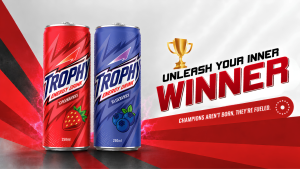
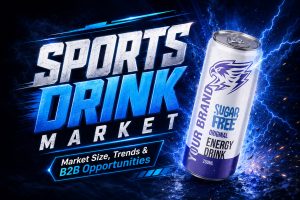
Energy drinks are the powerhouse of the beverage industry — a category built on high caffeine content, functional ingredients, and bold branding. In 2025, these drinks will continue to dominate both retail and export markets, with demand driven by fitness enthusiasts, gamers, and busy professionals looking for a clean energy boost.
A typical 250 ml can contains 160–200 mg of caffeine, but premium or performance-focused formulas can go up to 300–400 mg.


What’s changing now is how brands create and customize them. Instead of mass-market, one-size-fits-all products, private label energy drink manufacturing allows beverage brands to develop signature formulas — from sugar-free and natural caffeine blends to functional options with amino acids or adaptogens.
4. Tea Drinks
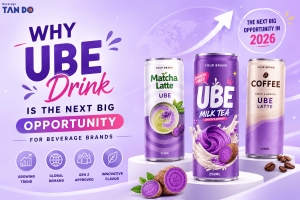
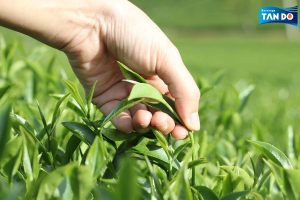
Tea-based beverages are a standout choice for brands seeking a smoother, more balanced caffeine experience. Unlike traditional energy drinks, tea drinks offer versatility in flavor, formulation, and audience appeal — from jasmine and matcha to milk tea variants and fruit-infused blends.


Using the right combination of tea extracts and functional additives, brands can craft tea drinks that are not just refreshing but also fit the high-performance and wellness category. With private label support, you can efficiently launch your custom tea drink line — complete with tailored flavor profiles, packaging options, and export-ready format.
5. Cold Brew Coffee
Cold brew coffee ranks among the top highest caffeine drinks, thanks to its slow extraction process that steeps coffee grounds in cold water for 12–24 hours. This method naturally produces a stronger caffeine concentration — averaging around 200 mg per 350 ml.


Unlike hot coffee, cold brew is smoother, less acidic, and longer-lasting in energy release, making it a favorite among health-conscious consumers and professionals seeking sustained focus.
Comparison Table: Best Caffeinated Drinks 2025
| Beverage Type | Caffeine (mg) | Serving Size | Energy Profile |
| Espresso Coffee | 200–300 | 60 ml | Fast, sharp, strongest caffeine drink |
| Black Coffee | 90–200 | 240 ml | Natural boost, highly caffeinated |
| Energy Drinks | 160–400 | 250–500 ml | Synthetic or mixed |
| Tea Drinks | 30–100 | 240 ml | Gentle, prolonged |
What’s Driving the “Ultra-Caffeine” Trend?
Several lifestyle shifts are fueling the rise of high-caffeine beverages today:
- Performance culture: Consumers seek better focus, endurance, and alertness to match their active lifestyles.
- Functional value: Added vitamins, amino acids, or adaptogens enhance the drink’s perceived benefit.
- Clean energy: Preference for sugar-free, plant-based, or natural caffeine sources.
- Cross-category innovation: The line between coffee, energy, and functional beverages continues to blur — giving rise to hybrids like coffee-energy fusions or plant-based boosters.
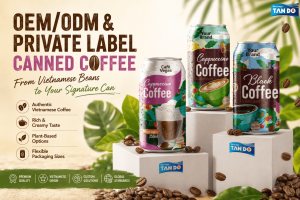
The private label coffee drink segment is a prime example of this hybrid innovation, combining caffeine potency with the flavor familiarity of coffee. Beverage brands leveraging this crossover trend gain a significant competitive advantage.
R&D Challenges in Formulating High Caffeine Energy Drinks
Developing high caffeine drinks isn’t simple. It requires scientific precision and technical expertise to ensure product stability, flavor balance, and safety.
Common formulation challenges include:
- Bitterness masking: Caffeine has a strong bitter note, requiring natural sweeteners or flavor systems.
- Homogeneous caffeine distribution: Preventing caffeine separation in liquid form.
- Regulatory compliance: Each region (EU, US, Asia) sets unique caffeine limits per serving.
- Consumer safety: Transparent labeling and dosage recommendations are essential.
For these reasons, partnering with a professional OEM/ODM beverage manufacturer is critical. They have the lab capability, formulation know-how, and global certification to ensure your product meets all standards.


For Beverage Brands: How to Enter the High Caffeine Drinks Market
If you’re planning to launch your own high caffeine or functional drinks, here’s a quick roadmap:
- Research your niche. Identify whether your customers wants gym-level power, all-day focus, or natural energy.
- Decide your caffeine level. Balance intensity with safety
- Partner with an experienced manufacturer. A certified OEM/ODM beverage manufacturer can turn your concept into a compliant, market-ready product.
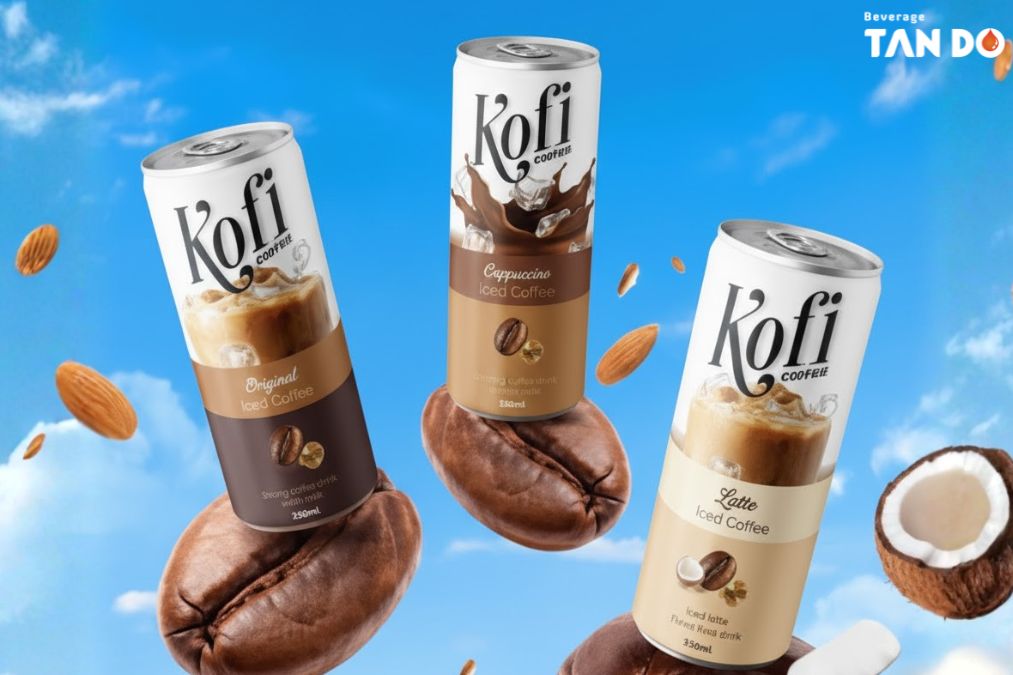
- Leverage the coffee-energy crossover. If your customers prefer natural sources, explore private label coffee drinks — they combine caffeine familiarity with functional benefits.
- Invest in branding and storytelling. The most successful energy drinks sell lifestyle, not just energy.
Why Choose Tan Do Beverage?
Choosing the right manufacturing partner determines your long-term success in the energy segment.
A global-standard manufacturer provides not just production, but strategic guidance — ensuring your product meets evolving trends, safety regulations, and consumer expectations.
At Tan Do Beverage, we offer:
- Full OEM/ODM and private label energy drink development
- Global-standard certifications (HACCP, ISO, FSSC, BRC, Halal, FDA)
- Sustainable production practices and smart packaging
- Support for both small pilot batches and large-scale exports
- In-house R&D formulation for energy, juice, and functional drinks


For beverage brands, this is where collaboration makes all the difference. Partnering with an experienced OEM/ODM drink manufacturer like us allows you to develop customized high-caffeine or functional beverage lines that balance potency with quality and sustainability.
👉 Learn more about our private label beverage manufacturing.
Ready to Energize Your Beverage Brand?
The rise of high caffeine drinks shows how consumers today are redefining what “energy” means. It’s no longer just about staying awake — it’s about focus, endurance, and clean performance. From espresso shots to hybrid coffee-energy blends, people want both strength and balance in every sip.
If you’re ready to bring your own high-performance beverage to life, partner with Tan Do Beverage — your trusted OEM/ODM manufacturer for coffee, tea, and functional energy drinks. Together, we’ll turn your caffeine concept into a market-ready success!