

Updated on 08/06/2026
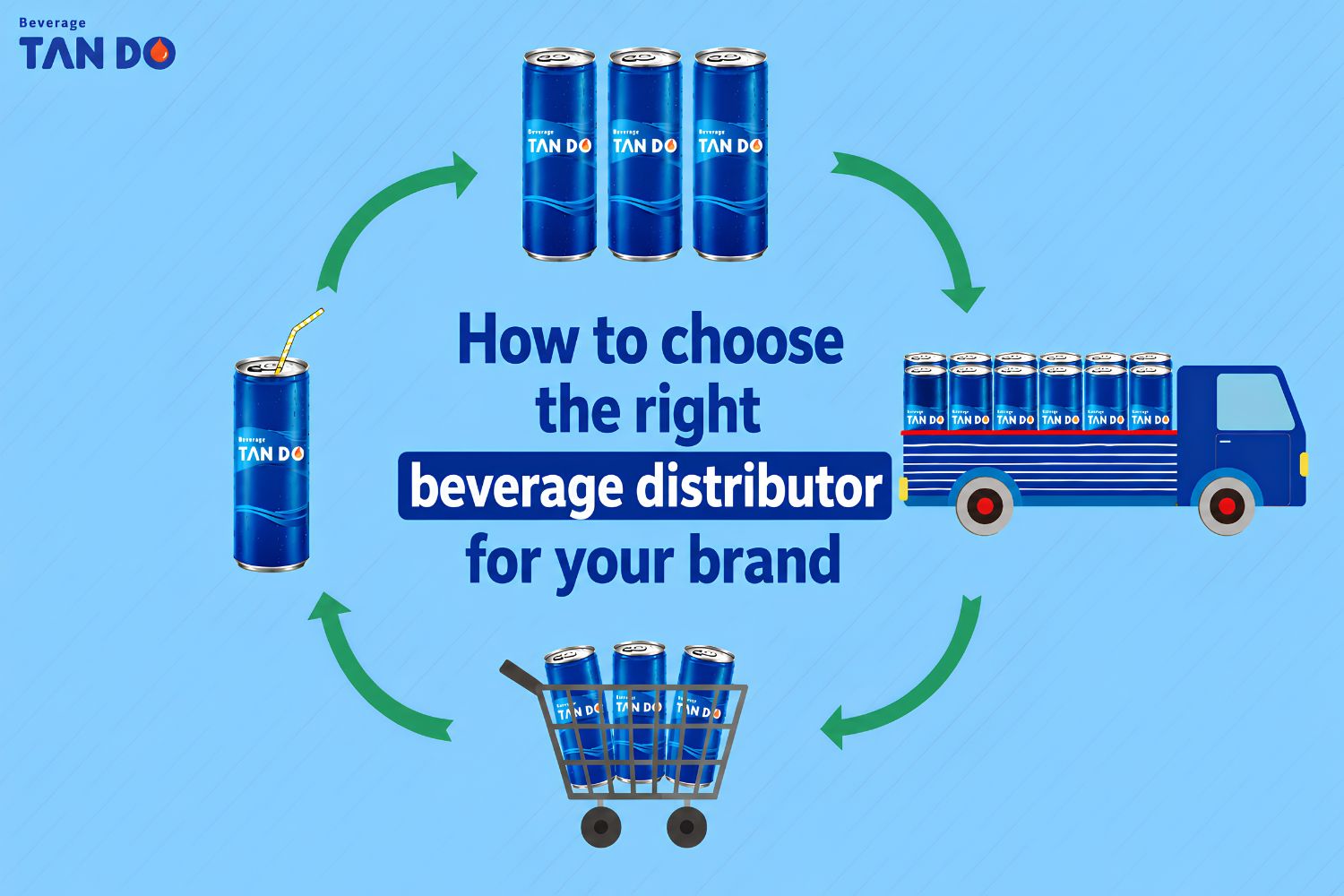
How to choose the right beverage distributor for your brand
Choosing the right beverage distributor is one of the most important decisions for any beverage brand. A strong distributor does more than move products from warehouses to retail shelves. The right partner can help your products reach the right consumers through the right channels, while the wrong partner can limit growth and create costly inefficiencies.
In this guide, we will explore the key factors to consider when evaluating a beverage distributor, common mistakes to avoid, and a practical step-by-step process for selecting a partner that supports your long-term growth objectives.
Why beverage distribution is a growth lever
Before choosing a beverage distributor, brands need to understand that beverage distribution is much more than moving products from a manufacturing facility to a retailer.
A modern beverage distribution network influences where products are sold, how quickly inventory moves, how consistently shelves are stocked, and whether consumers can easily find and repurchase the product. For entrepreneurs planning to start a beverage distribution business, understanding how distribution networks operate is essential before selecting distribution partner.
As consumers increasingly purchase beverages through supermarkets, convenience stores, foodservice operators, specialty retailers, and e-commerce platforms, distributors play a critical role in determining market reach and product availability.
However, not every brand requires the same distribution strategy. A premium beverage brand may benefit more from placement in specialty stores, cafés, and HoReCa channels than from rapid expansion into mass retail.
The objective is not maximum distribution. The objective is effective distribution.
For this reason, selecting a beverage distributor should begin with strategy rather than reputation. Brands that develop a clear beverage business plan are often better prepared to identify the right distribution channels, set realistic growth targets, and evaluate distribution partners objectively.
Key factors to consider when choosing a beverage distributor
1. Alignment with your distribution strategy
One of the most common mistakes beverage brands make is selecting beverage distributor based on size rather than channel fit. A manufacturer with thousands of traditional trade accounts may generate less value for a premium beverage brand than a partner with strong relationships in HoReCa, specialty retail, or convenience channels.
Before evaluating a beverage manufacturer, brands should first define their route-to-market strategy. Understanding which channels, customer segments, and geographic markets will drive growth makes it easier to identify the right beverage distributor.
Ask potential manufacturer to demonstrate:
- Revenue contribution by channel
- Geographic coverage by market
- Existing customer portfolio
- Beverage category expertise
- Ability to place the right SKU in the right type of outlet

The strongest beverage distribution partnerships are built on strategic alignment rather than scale alone. A distributor serving the right customers through the right distribution channels often creates more sustainable growth than a larger organization with broader but less relevant coverage.
2. Beverage logistics & Distribution costs
Beverages are highly sensitive to logistics efficiency because of their weight, volume, storage requirements, and inventory turnover cycles.
Many beverage brands focus primarily on distributor margins and transportation costs while overlooking the hidden costs created by poor execution. Inventory aging, stock-outs, delivery delays, damaged products, and inefficient replenishment can quickly erode profitability.
When evaluating a beverage distributor, brands should review:
- Warehouse capacity and infrastructure
- Inventory management systems
- Delivery scheduling capabilities
- Route optimization practices
- Product rotation procedures
- Damage control and return processes
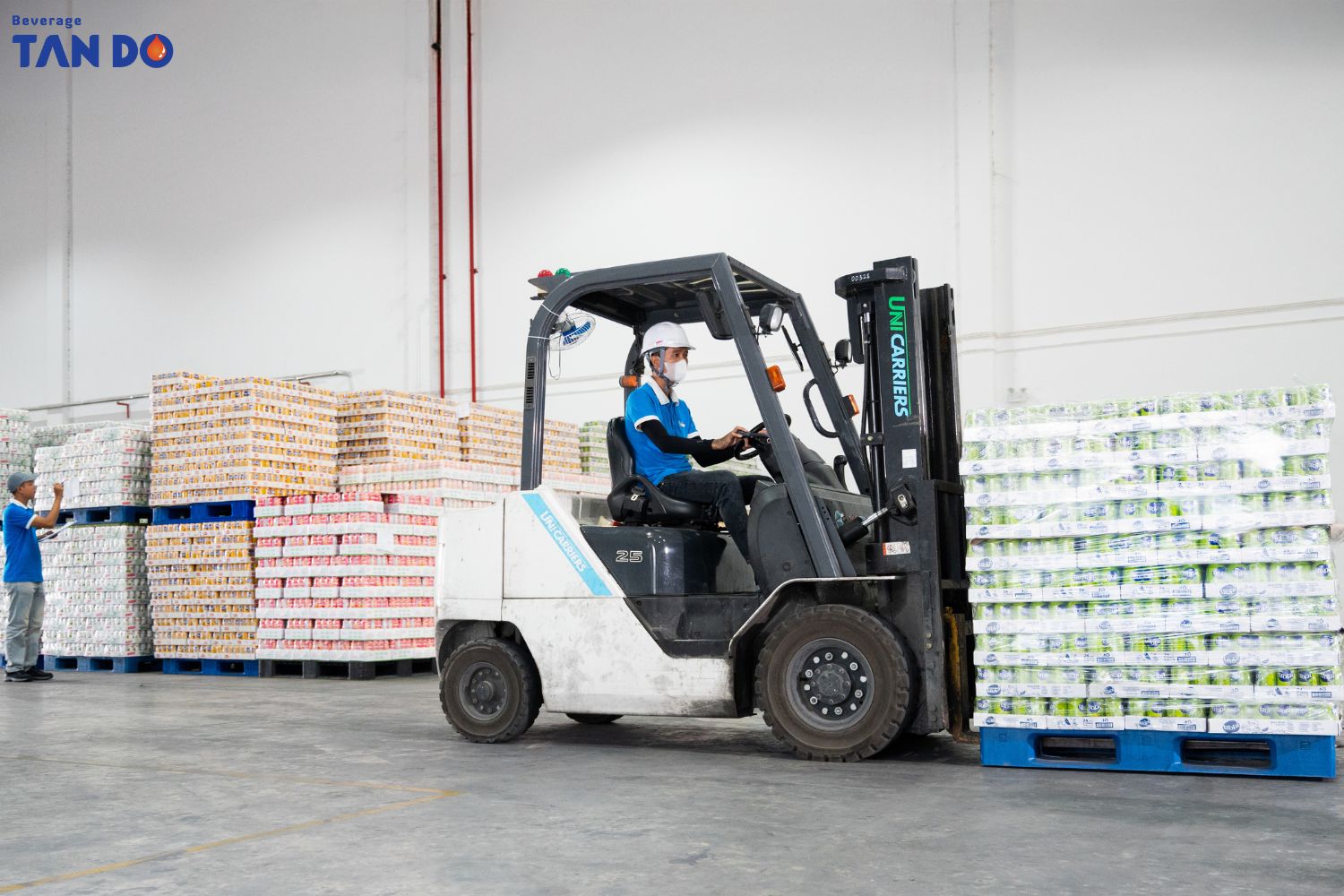
For products with shorter shelf life or specific storage requirements, operational discipline becomes even more important. Brands should understand how distributors manage FIFO and FEFO processes, handle near-expiry inventory, and maintain delivery accuracy.
A distributor offering lower fees but weaker execution often creates higher total distribution costs than a partner with stronger operational capabilities and more reliable service levels.
3. Data, systems, and reporting discipline
Modern beverage distribution should be driven by data rather than assumptions.
Many distributors still focus heavily on sell-in performance, measuring success by how much inventory enters the channel. However, successful beverage brands understand that long-term growth depends on what happens after products reach the shelf.
Without visibility into sell-out performance, brands cannot accurately measure consumer demand, forecast production, or identify distribution gaps.
For this reason, beverage brands should request visibility into:
- Sell-in performance
- Sell-out performance
- Inventory levels
- SKU coverage
- Promotion effectiveness
- Regional sales performance
- Near-expiry inventory
- Product returns
A distributor that cannot provide consistent market data will make it significantly harder for a brand to scale effectively. In today’s competitive beverage market, reliable reporting should be considered a minimum requirement rather than a value-added service.
4. Regulatory compliance, food safety & traceability
As beverage brands expand into new markets, regulatory compliance becomes increasingly important.
A distributor’s responsibility extends far beyond storing and delivering products. They also play a critical role in ensuring products remain compliant throughout the supply chain and can be traced if issues arise.
A qualified beverage distribution partner should understand:
- Product labeling requirements
- Food safety regulations
- Import and export procedures
- Product recall protocols
- Traceability systems
- Market-specific compliance requirements

From an operational perspective, traceability means being able to identify where a product came from, where it has been stored, where it was delivered, and how quickly it can be located if an issue arises.
Brands should ask potential distributors how they track inventory batches, manage warehouse movements, monitor expiry dates, and respond to product recalls. A distributor that lacks visibility into product movement creates unnecessary risk for both the brand and its customers.
For beverage companies focused on long-term growth, compliance and traceability should be viewed as baseline requirements rather than competitive advantages.
5. Financial stability & Brand partnership capability
A strong beverage distributor should be financially healthy enough to support growth, maintain inventory levels, and meet payment obligations consistently.
Many brands focus heavily on sales coverage but underestimate the importance of distributor cash flow. A distributor may have strong market relationships and broad coverage, but if working capital is limited, inventory purchases often slow during peak demand periods, creating stock shortages and missed sales opportunities.
Before entering a partnership, brands should evaluate:
- Payment reliability
- Credit terms
- Inventory turnover rates
- Product return rates
- Market reputation
- Business stability
However, financial health alone is not enough. The best beverage distributor actively contribute to brand growth rather than simply purchasing inventory and reselling it. They understand that long-term success requires investment in market development and consumer engagement. This is especially important for premium and mid-premium beverage brands.
An ideal drink distributor should be willing to support:
- Product launches
- Merchandising programs
- Product sampling
- Retail activations
- Sales team training
- Brand storytelling initiatives
The difference between a long-term growth partner and a transactional distributor often lies in their willingness to invest in building the brand alongside the supplier.
6. Distribution agreements & Conflict management
Many distribution partnerships fail not because of poor sales performance but because expectations were never clearly defined. A distribution agreement should establish a framework for growth while minimizing potential conflicts between both parties. At a minimum, agreements should clearly define:
- Territory coverage
- Authorized sales channels
- Exclusive or non-exclusive rights
- Sales performance targets
- Pricing policies
- Data-sharing requirements
- Credit terms
- Product returns
- Damaged goods procedures
- Dispute resolution processes
- Termination conditions

One of the most common mistakes beverage brands make is granting exclusive rights too early without performance safeguards. While exclusivity can motivate distributor commitment, it should always be linked to measurable KPIs, periodic business reviews, and clear performance expectations.
If there is one principle to remember, it is this:
Do not choose beverage distributor based on size alone. Choose them based on their ability to support and protect your brand’s growth model.
Many beverage brands select distributors because they appear to have broad market coverage, only to discover later that they lack reporting systems, merchandising discipline, field execution capabilities, or pricing control.
The right beverage distributor should function as an extension of your brand rather than simply another customer in the supply chain.
How to choose the right beverage distributor
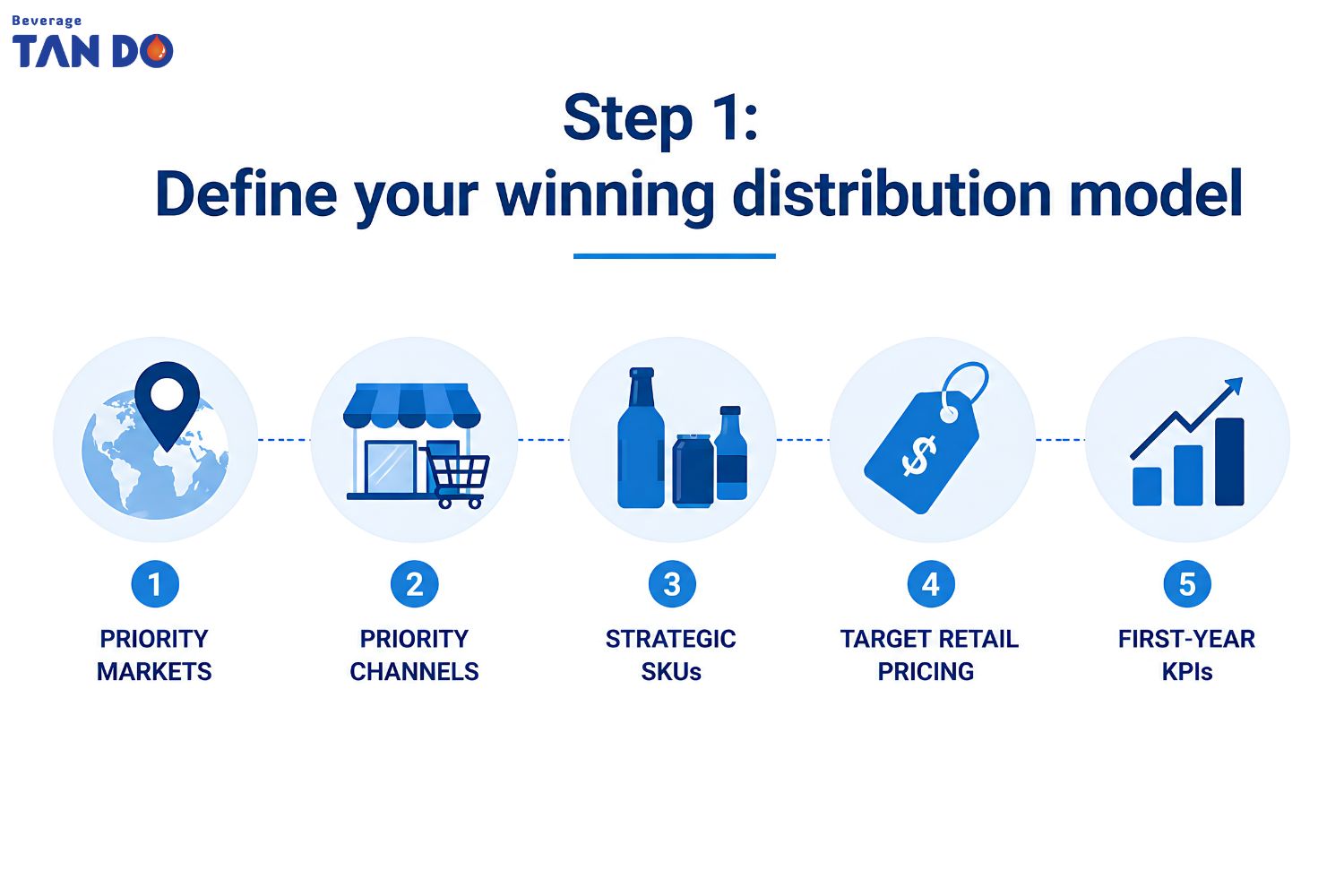
Step 1: Define your winning distribution model
Before evaluating any beverage distributor, define what success looks like for your brand.
Establish:
- Priority markets
- Priority channels
- Strategic SKUs
- Target retail pricing
- First-year KPIs
One of the most common mistakes beverage brands make is searching for manufacturer before defining their route-to-market strategy. A beverage distributor cannot compensate for an unclear distribution plan.
Before starting your search, determine which channels are expected to drive growth, how many outlets you want to reach, and what success should look like during the first 12 months. The clearer the strategy, the easier it becomes to identify the beverage distributor.
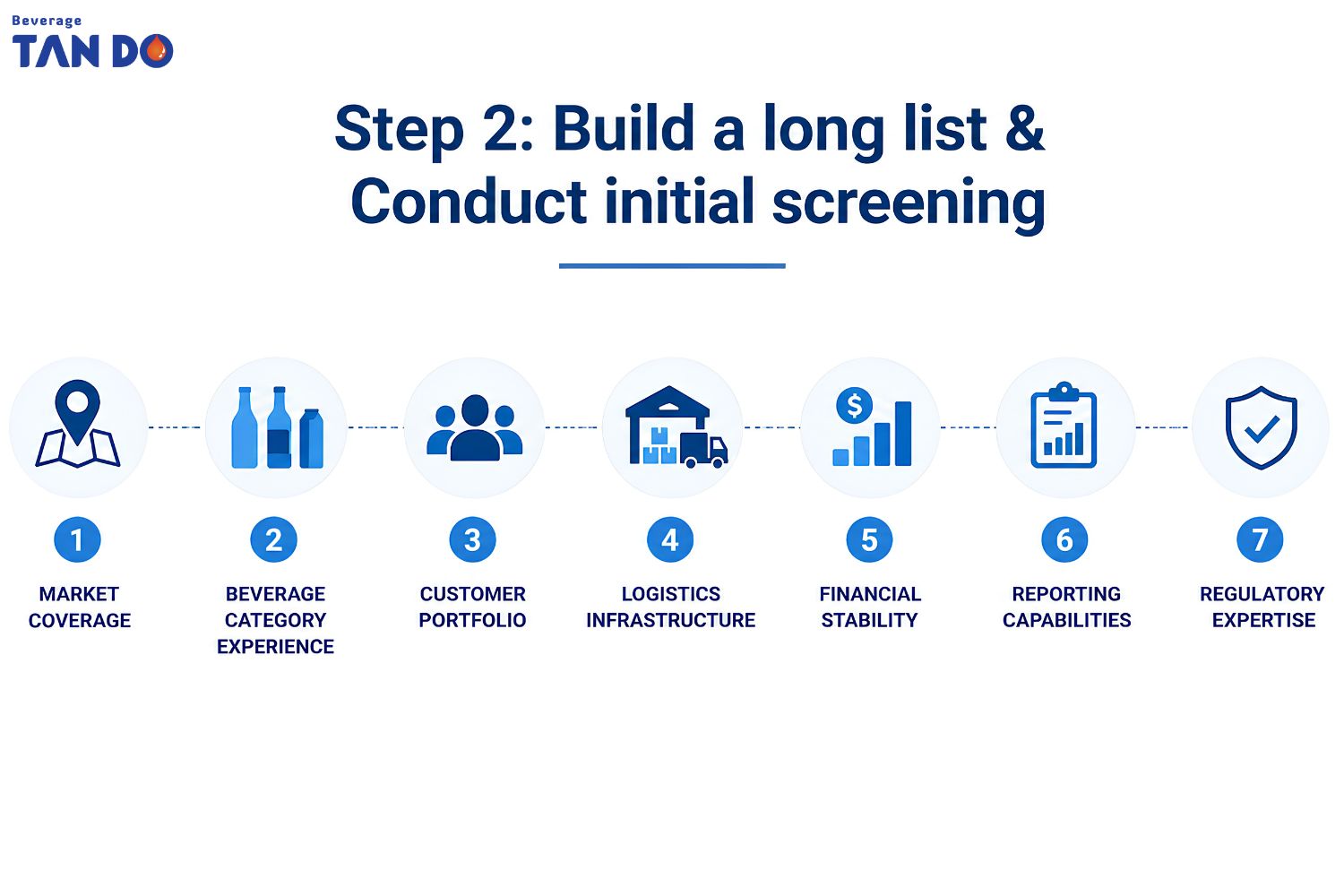
Step 2: Build a long list & Conduct initial screening
Once objectives are established, create a list of potential beverage distributors and evaluate them against your requirements.
Review:
- Market coverage
- Beverage category experience
- Customer portfolio
- Logistics infrastructure
- Financial stability
- Reporting capabilities
- Regulatory expertise
At this stage, brands should eliminate distributors that cannot demonstrate basic operational capabilities such as inventory visibility, sales reporting, or traceability systems.
A distributor may claim broad market coverage, but without reliable reporting and execution systems, growth becomes difficult to measure and even harder to scale. Early screening helps reduce the time spent evaluating partners that are unlikely to support long-term growth.
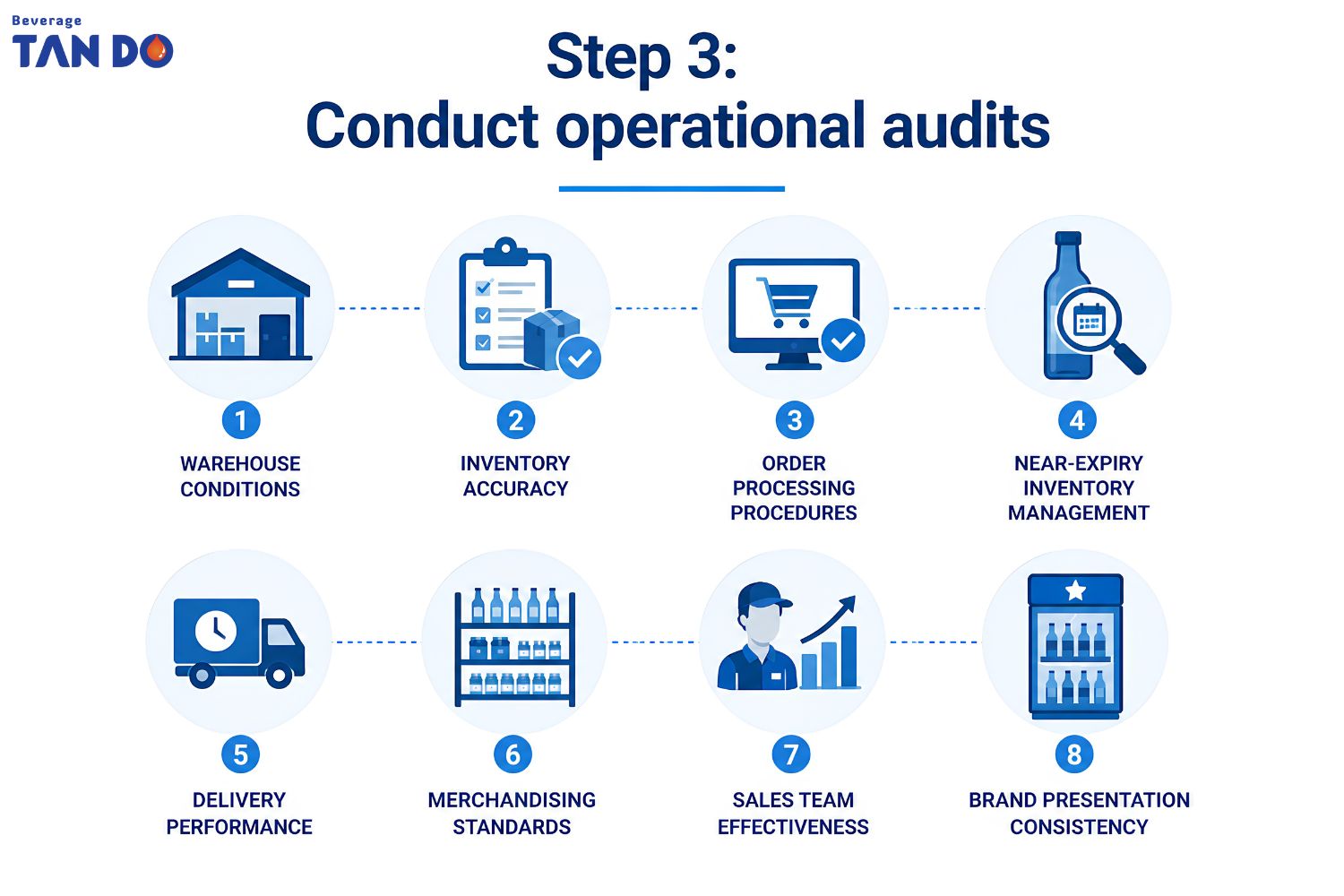
Step 3: Conduct operational audits
A warehouse visit often reveals more about a beverage distributor than a sales presentation. Whenever possible, visit facilities, accompany sales representatives on field visits, and observe how the distributor operates on a daily basis.
Evaluate:
- Warehouse conditions
- Inventory accuracy
- Order processing procedures
- Near-expiry inventory management
- Delivery performance
- Merchandising standards
- Sales team effectiveness
- Brand presentation consistency
For beverage brands, operational discipline is just as important as market coverage. This is the stage where brands can verify whether a beverage distributor has the capabilities required to execute consistently in the marketplace.
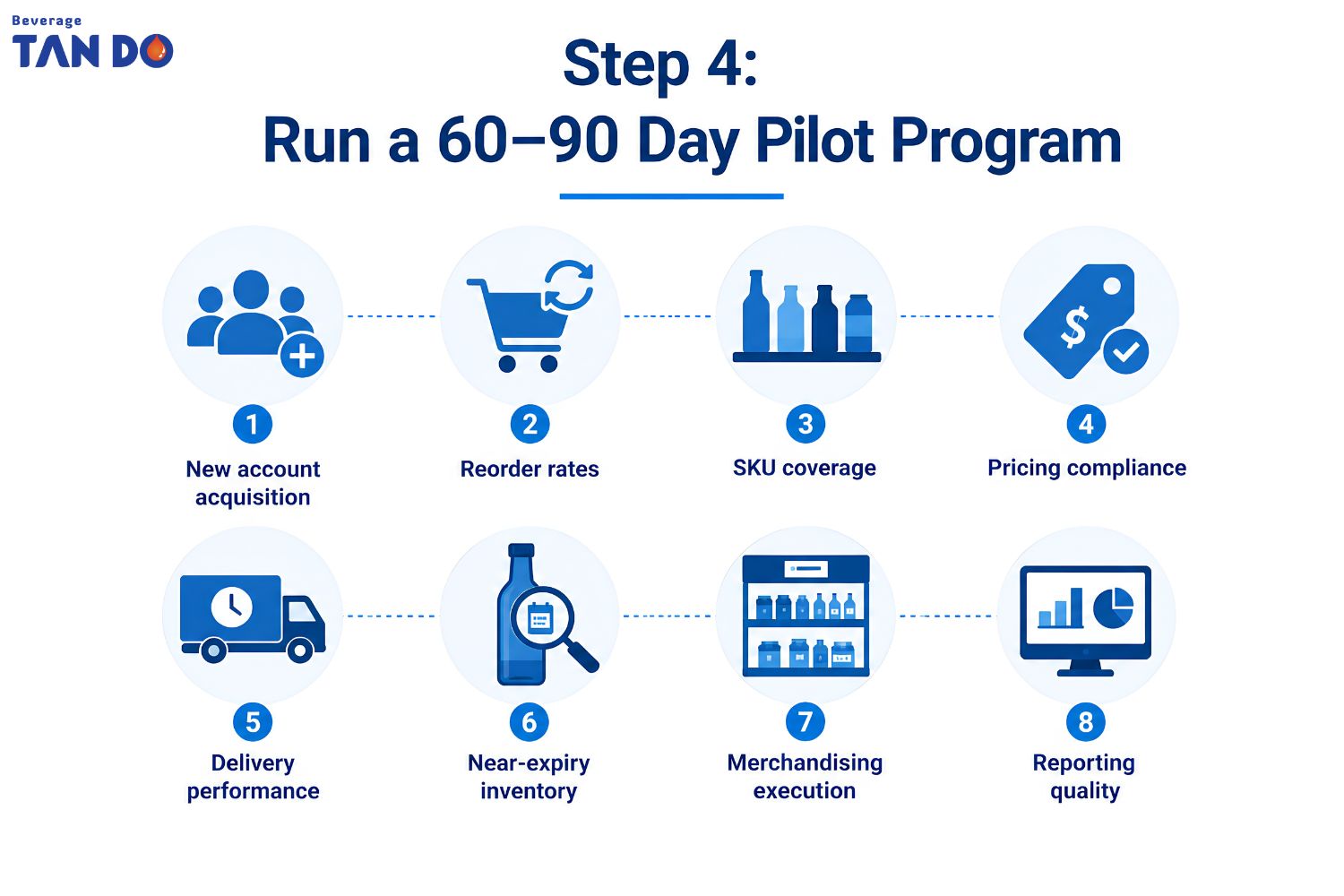
Step 4: Run a 60–90 Day Pilot Program
Before committing to a long-term partnership, test performance through a pilot program in a representative market, region, or distribution channel. One of the biggest mistakes beverage brands make is confusing strong relationships with strong execution. A distributor may have extensive market connections but still struggle with pricing discipline, inventory rotation, merchandising standards, or reporting accuracy.
During the pilot period, monitor:
- New account acquisition
- Reorder rates
- SKU coverage
- Pricing compliance
- Delivery performance
- Near-expiry inventory
- Merchandising execution
- Reporting quality
The objective is not simply to measure sales volume. Brands should evaluate whether the distributor can consistently execute the operating standards required for sustainable growth. This step becomes particularly important before considering exclusive distribution arrangements.
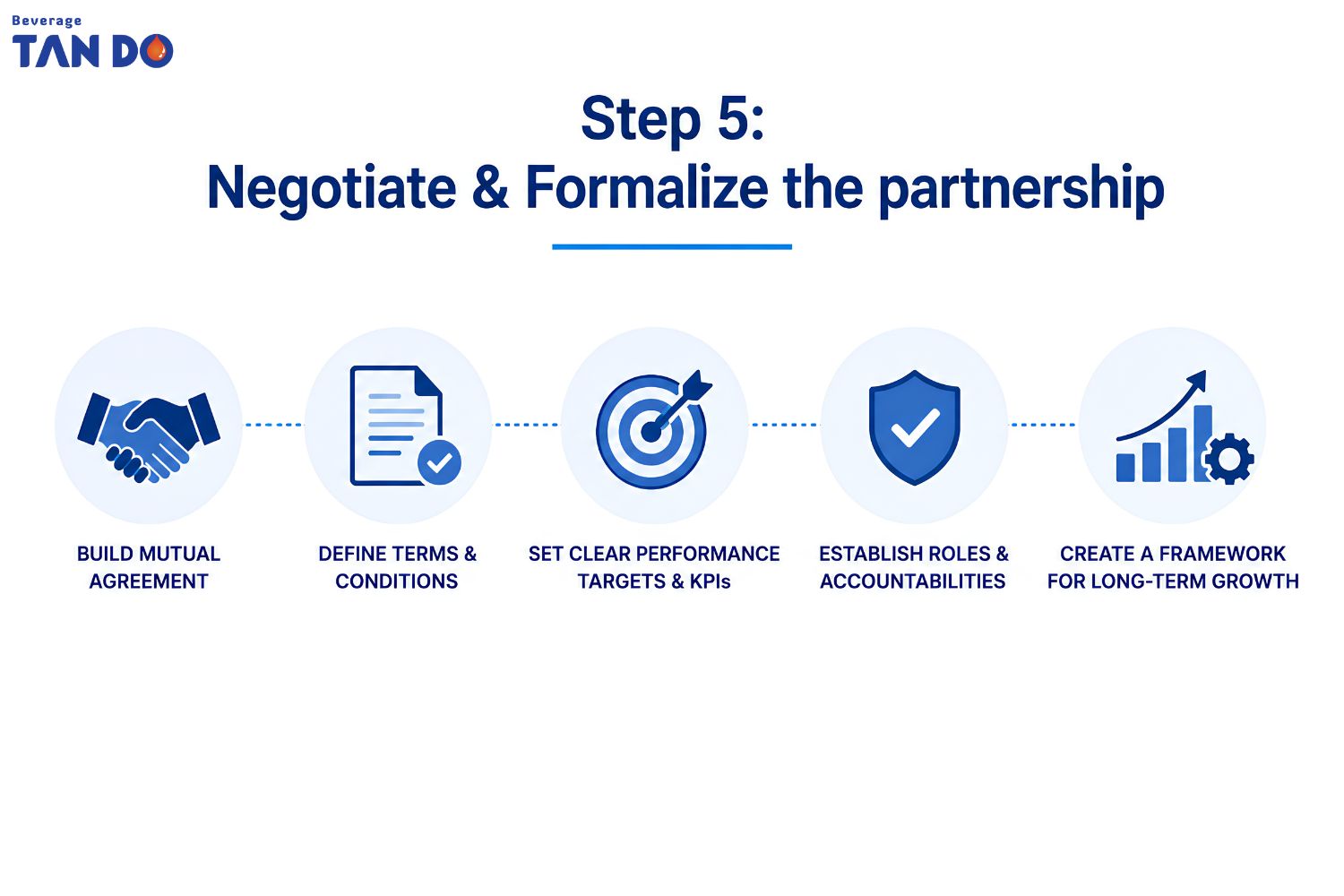
Step 5: Negotiate & Formalize the partnership
Once a beverage manufacturer has demonstrated consistent performance, the next step is to establish a structured agreement.
Avoid granting exclusivity too early. While exclusive rights can encourage commitment, they should only be granted after a distributor has proven its ability to achieve agreed performance targets. A well-defined agreement creates accountability, minimizes conflicts, and supports long-term growth.
Partner with Tan Do Beverage
Choosing a beverage distributor is not about finding someone who can generate sales quickly. It is about finding a partner that can help your brand grow through the right channels, maintain pricing integrity, and execute consistently in the market.
Looking for beverage concepts ready for distribution? Tan Do Factory Brands offers proven formulas designed for distributors, importers, wholesalers, retailers, and beverage entrepreneurs. With flexible MOQ, export-ready production, and market-ready concepts, we help brands launch faster and enter new markets with confidence.
Explore Tan Do Factory Brands and discover concepts built for growth.
YOU MAY ALSO LIKE:
Top 10 largest worldwide beverage distributors
Beverage Distribution Strategies for Start-Up Drink Brands – Tan Do