Have you ever opened a bottle of no sugar juice, taken the first sip, and felt disappointed enough to stop drinking? Many consumers today share this experience when trying no sugar juice products on the market: thin taste, sharp acidity, lack of natural fruit flavor, and a quickly fading freshness. These experiences have led to a common perception that no sugar juice is less enjoyable than sweetened alternatives.
In this blog, we explore why no sugar juice often fails in taste and how modern technologies and formulation strategies can deliver products that remain natural, flavorful, and commercially viable for brands.
Common Misconceptions About No Sugar Juice
One of the most common misconceptions is that no sugar juice is naturally less flavorful. Many people think sugar is the only thing that makes juice taste good, so if you take it away, you’re left with something bland and yucky.
But that’s not the whole story.
The real issue isn’t simply that there’s no sugar. It’s about how the juice is made and what happens to its flavor. Sugar does a lot more than just make things sweet. It actually helps:
- Carry fruit flavors: It helps the natural smells and tastes of the fruit stick around.
- Keep aromas fresh: It stops those nice fruit smells from disappearing too quickly.
- Give it a nice texture: It makes the juice feel smooth and full in your mouth.
- Balance out sourness: It makes the natural tanginess of fruits more pleasant.
When sugar is taken out, but these jobs aren’t done by something else, the whole taste experience falls apart.
Many manufacturers make the mistake of simply eliminating sugar without applying the right technologies or formulation strategies to compensate. The result? The juice ends up tasting watery, too sour, and just… flat.
This is why so many brands struggle when they launch “no sugar” juices. It’s usually not because they used bad fruit, but because they lack a system to rebuild flavor effectively.


Why Taste Fails in No Sugar Juice
Let’s talk about why that “no sugar” juice you tried might have tasted disappointing. It’s not just about the lack of sugar itself. To understand this, we need to look at what sugar actually does in juice.
Sugar Does More Than Just Sweeten
Think of sugar as a helpful friend to fruit flavors.
- It Carries Flavor: Many of the fresh smells and tastes in fruit are like tiny, delicate things that can easily float away (they’re “volatile”). Sugar acts like a little carrier, helping these flavors stick around and reach your tongue so you can enjoy them. Without sugar, these flavors just disappear much faster, leaving the juice tasting weak and uninteresting.
- It Makes Juice Feel Good: Sugar gives juice a nice, smooth, and full feeling in your mouth – we call this “mouthfeel” or “body.” When you take away sugar, the juice can feel thin and watery. This makes it less satisfying to drink. Even if the fruit used was top-notch, a thin texture can make people think the juice is low quality.
- It Balances Sourness: Most fruits have natural sourness (acidity) – like lemons, berries, or even some tropical fruits. Sugar helps to soften that sharp sourness, making the overall taste pleasant and balanced. Without sugar, the sourness can become too strong, making the juice taste harsh or overly tangy.
Processing Makes Things Worse
On top of these formulation issues, how juice is made in factories can also harm the taste:
- Heat is a Flavor Killer: High temperatures used in processing can easily destroy those delicate flavor compounds we talked about, which are key to that fresh fruit taste.
- Air Can Ruin It: When juice is exposed to air (oxidation), its color can change, and its taste can become flat.
- Too Much Filtering: Sometimes, filtering to make juice clear can also remove important natural fibers and flavor bits, making it taste even less complex.
So, when sugar is removed without a smart plan to replace its jobs, the final juice often ends up thin, unbalanced, and without that vibrant, natural fruit taste.


The Science of Flavor Retention: From Formulation to Processing Technology
1. The True Role of Sugar in Juice
We’ve talked about how sugar isn’t just for making things sweet. It does a lot more for juice:
- Flavor Balancing: Sugar helps to temper the natural acidity present in fruits, leading to a more harmonious and palatable taste profile that is easy to drink.
- Creating Mouthfeel and Body: Sugar contributes to the viscosity of the juice, giving it a smoother, fuller sensation in the mouth. This enhanced mouthfeel makes the beverage more satisfying for the consumer.
- Protecting Aroma: Sugar acts as a binding agent for the volatile aroma compounds found in fruits, which is essential for preserving their natural flavor over time.
- Enhancing Flavor Perception: The aroma compounds in fruits can only be effectively perceived by our taste buds when they are dissolved in a liquid with a certain degree of sweetness. When sugar is removed, these aroma molecules are no longer as well-bound and can dissipate more readily.
So, simply removing sugar without implementing any compensatory measures will fundamentally alter the juice’s flavor structure.
2. Core Technologies for Flavor Retention
To make no sugar juice taste good, removing sugar is not enough. Manufacturers need the right technologies and formulation strategies to protect flavor and rebuild the drinking experience.
Thermal Optimization (Temperature & Time Control)
One of the most critical factors in preserving natural fruit flavor is how heat is applied during processing. High temperatures can destroy volatile aroma compounds—the key elements responsible for fresh fruit character.
Instead of relying on prolonged high-heat treatments, advanced producers use optimized thermal processing, where temperature and time are carefully controlled to minimize flavor loss while still ensuring product safety. Short-time, precisely controlled heating helps retain more aroma and nutritional value compared to conventional methods.
It is important to note that while low-temperature approaches can better preserve flavor, they must be balanced with microbiological safety and shelf-life requirements. The goal is not simply “lower heat,” but smarter heat application.
a. Closed-System Processing
A closed-system processing approach prevents oxidation from the outset, shielding volatile aroma compounds from the damaging effects of air. This system also helps maintain the natural color of the fruit and minimizes changes in flavor structure.
b. Enzyme Treatment
This is a lesser-known “secret weapon.” Using enzymes like Pectinase or Cellulase helps to:
- Stabilize the fruit’s cell structure, preserving fiber and natural aroma compounds.
- Reduce unwanted cloudiness in the juice.
- Maintain the natural color of the fruit.
- Improve the juice’s body and mouthfeel.
Once the mouthfeel is improved, the consumer’s brain naturally registers a sense of “sweetness” even when the product contains no added sugar.
c. Natural Flavor Balancing Strategies
Beyond processing technologies, formulation plays an equally critical role in rebuilding taste. Successful no sugar juice products rely on strategic ingredient design, not just ingredient selection.
Key approaches include:
- Fruit blending: Combining naturally sweet fruits (such as apple or grape) with more acidic ones (such as berries or citrus) to create a balanced profile
- Acidity adjustment: Fine-tuning with acids like citric or malic acid to achieve a smoother, more harmonious taste
- Texture enhancement: Incorporating pulp, aloe, or natural fibers to improve body and mouthfeel
These strategies do not “replace” sugar artificially—they reconstruct the overall sensory system so the product feels naturally complete.
3. Natural Sweetness Is Not Just About Sugar
A key point to remember is that the sensation of “sweetness” doesn’t solely originate from sugar. The human brain can perceive sweetness through other compounds present in the juice, such as:
- Fiber: Fiber contributes to a feeling of “fullness” in the mouth, which can lead consumers to perceive a greater sense of sweetness.
- Aroma Compounds: Natural aroma compounds in fruits can enhance the perception of sweetness in the juice, even in the absence of added sugar.
- Viscosity: The thickness or body of the juice can also make consumers feel it is sweeter, as the brain often associates viscosity with sweetness.
Therefore, instead of solely focusing on adding sugar, manufacturers should prioritize improving the body and aroma of their juices to create a naturally sweet sensation.


Comparison of Processing Technologies for No Sugar Juice
When developing no sugar juice, choosing the right processing technology is critical. Each method affects not only taste, but also shelf life, cost, and product positioning. The three most common technologies today are Cold-Fill, Hot-Fill, and Aseptic Processing.
1. Cold-Fill Technology
Cold-fill is known for delivering a fresh, natural taste closest to raw juice. Because it uses minimal heat, it helps preserve more aroma compounds, vitamins, and natural fibers, resulting in a more authentic fruit experience.
However, this advantage comes with trade-offs. Cold-fill requires strict microbiological control and a fully maintained cold chain during storage and distribution. This significantly increases production and logistics costs. In addition, shelf life is relatively short, typically around 2–4 weeks.
Best suited for: fresh juice products, premium positioning, and niche markets that prioritize natural quality over convenience.
2. Hot-Fill Technology
Hot-fill is the most widely used method in the beverage industry due to its balance between cost and scalability. By using heat to ensure product safety, it allows for a much longer shelf life—typically 6–12 months—without requiring refrigeration.
The main challenge with hot-fill is flavor loss. High temperatures can damage delicate aroma compounds and reduce nutritional value. However, with proper optimization of temperature and processing time, manufacturers can still retain a good level of natural taste.
Best suited for: mass-market products, mid-range positioning, and brands looking for cost-effective production with stable shelf life.
3. Aseptic Processing
Aseptic processing represents the highest level of production technology. In this system, both the product and packaging are sterilized separately and combined in a sterile environment. This allows juice to maintain a quality level close to fresh products while still achieving a long shelf life of 6–12 months.
The main limitation is cost. Aseptic systems require significant investment in equipment and technical expertise, making them more suitable for large-scale manufacturers.
Best suited for: premium products that require both high quality and long shelf life, especially for international markets.


Why Choose Tan Do for Your No Sugar Juice?
If you’re a business owner looking to launch a no-sugar juice line, selecting a reliable OEM/ODM manufacturer is crucial for ensuring product quality and market success. Tan Do stands out as a prime partner for several key reasons:
- Expert R&D Team: We understand how to effectively balance flavors, retain natural fruit aromas, and create a satisfying taste profile without added sugars
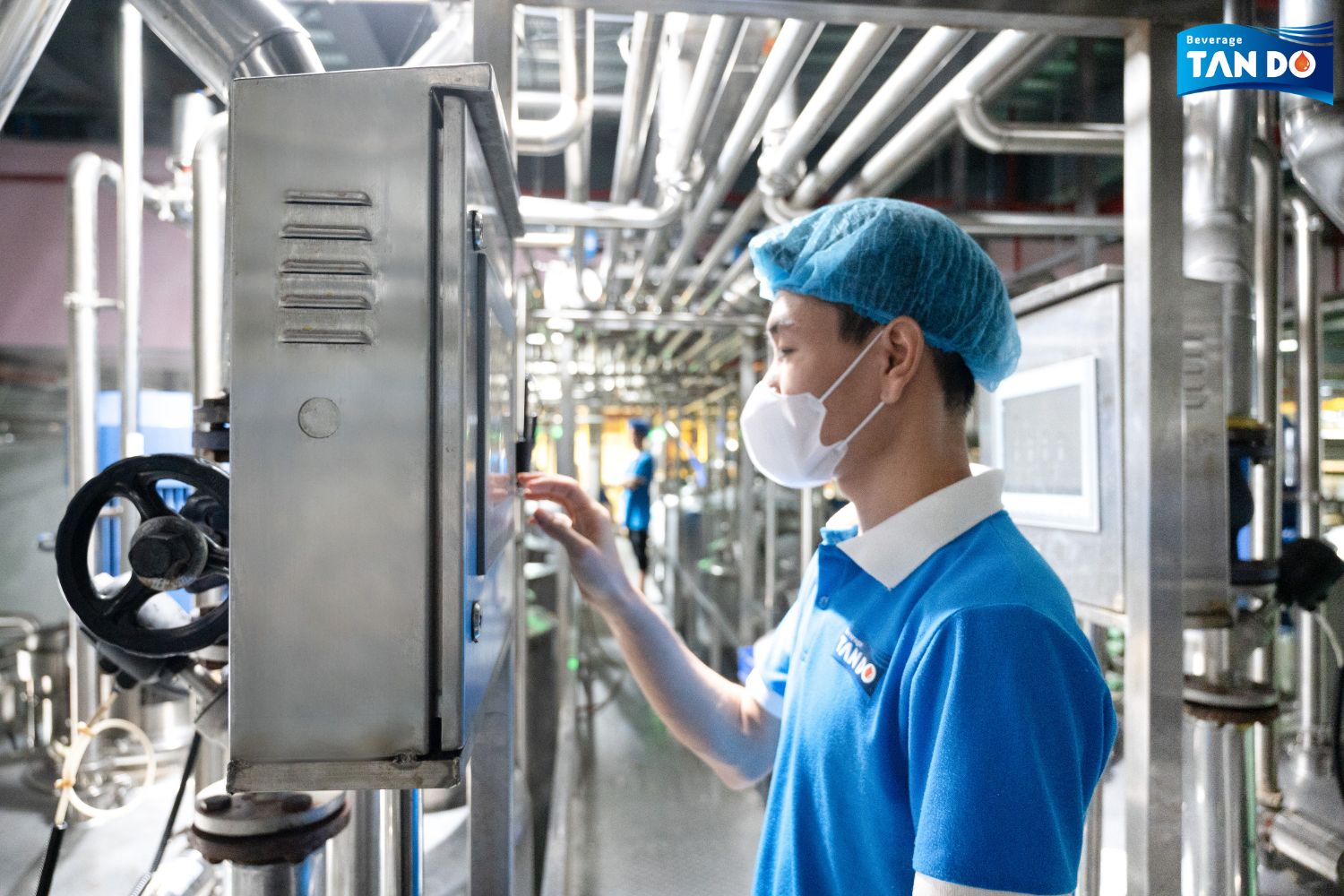
- Advanced Processing Technologies: We have flexible, state-of-the-art processing systems. This ensures optimal flavor and shelf-life for your specific no sugar juice formulation.
- International Quality Standards: Our manufacturing facilities comply with global certifications such as FDA, BRCGS, FSSC, HACCP, ISO, and HALAL.
- High Customization Capabilities: We offer various customization options for both formulations and packaging. This allows you to create a truly unique product setting you apart from competitors.
- Commitment to Quality Ingredients: We source fresh, high-quality fruits from trusted farms in Vietnam. This commitment ensures that the natural taste of the fruit shines through in your no-sugar juice.
With strong technical expertise and a commitment to quality, Tan Do helps you develop no sugar juice products that are not only healthy, but also commercially successful.


Let’s Build No Sugar Fruit Juice Together!
In short, no sugar juice doesn’t have to taste bland—the real difference comes from how it’s made. With the right formulation and technology, you can create a product that’s natural, flavorful, and easy to enjoy.
If you’re planning to launch your own line, choosing the right OEM/ODM partner makes all the difference. At Tan Do, we’re here to support you from idea to shelf—helping you build a product your customers will truly love and come back for.