6 Vietnamese Tea Varieties Ideal for RTD Drink Line

    Vietnamese tea dates back thousands of years to the Hung Kings era, evolving from a simple daily drink into a key agricultural industry. Today, Vietnam ranks 7th globally in production and 5th in exports, supported by large cultivation areas and a well-developed supply chain.

    This strong foundation makes Vietnamese tea ideal for RTD beverages. So, which varieties work best? Below are some of the most popular options, each offering distinct flavors and versatile applications for a wide range of RTD beverage formats.

    Vietnam RTD Tea Market & Global Trends

    The global RTD tea market is booming, now worth over USD 75.65 billion and still growing. Asia-Pacific is leading the way, thanks to strong tea-drinking habits and constant innovation in new flavors and formats.

    In Vietnam, this trend is easy to spot. More and more consumers are moving away from sugary carbonated drinks and choosing tea or herbal beverages instead—mainly because they feel more natural and better for everyday consumption. As a result, RTD tea has quickly become one of the most popular categories in the local beverage market.

    At the same time, Vietnam is becoming an increasingly attractive hub for RTD production. We have abundant tea resources and competitive manufacturing costs with more factories meeting international standards. That is why Vietnamese RTD tea products are now present in markets around the world, including the U.S., Europe, and across Asia.

    6 Popular Vietnamese Tea Types for RTD Tea Drink

    At Tan Do Beverage, we see tea as more than just an ingredient—it’s what defines the character of every RTD drink. That’s why we give you six of the most popular Vietnamese teas we use to develop our RTD tea drink lines:

    1. Vietnamese Green Tea

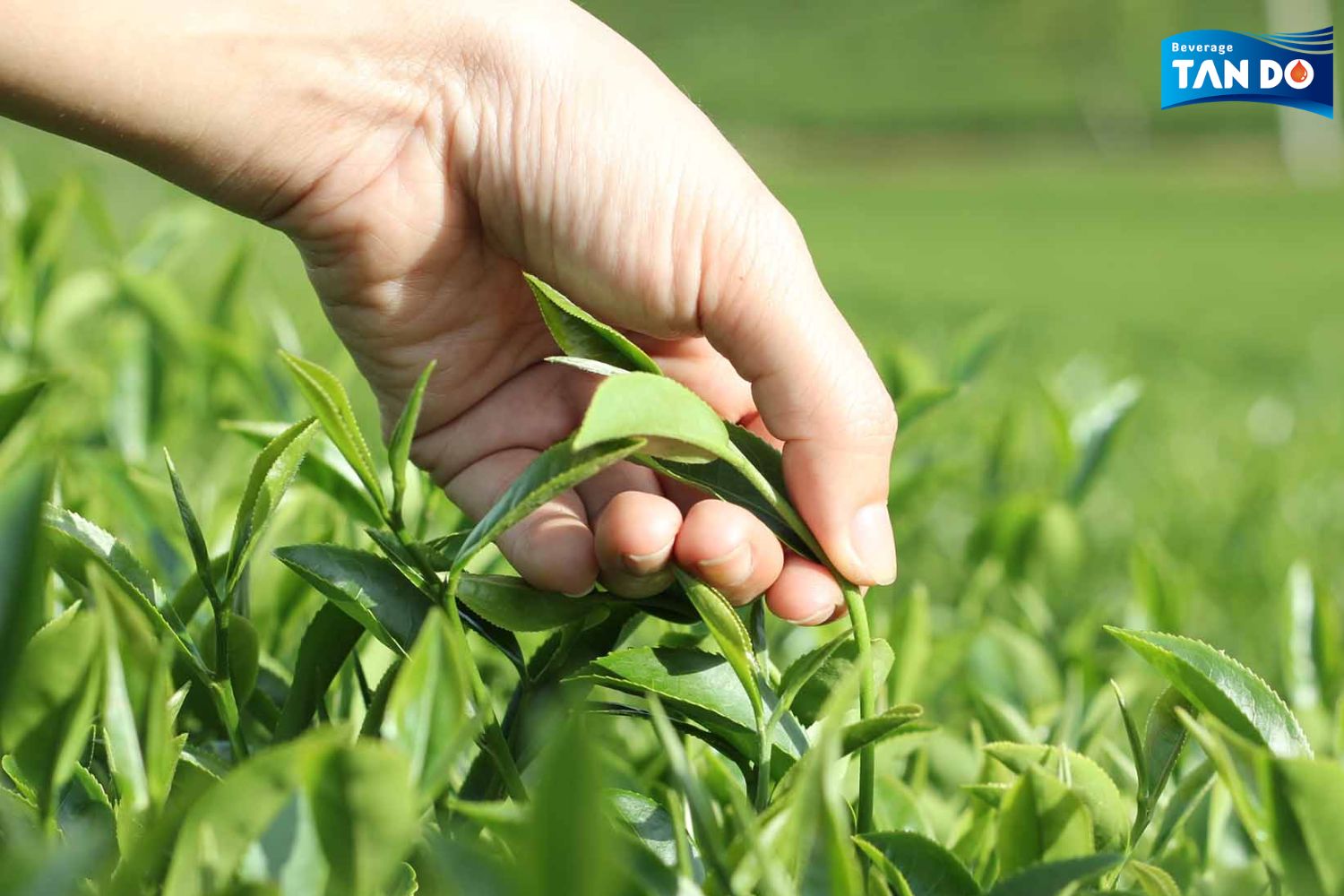
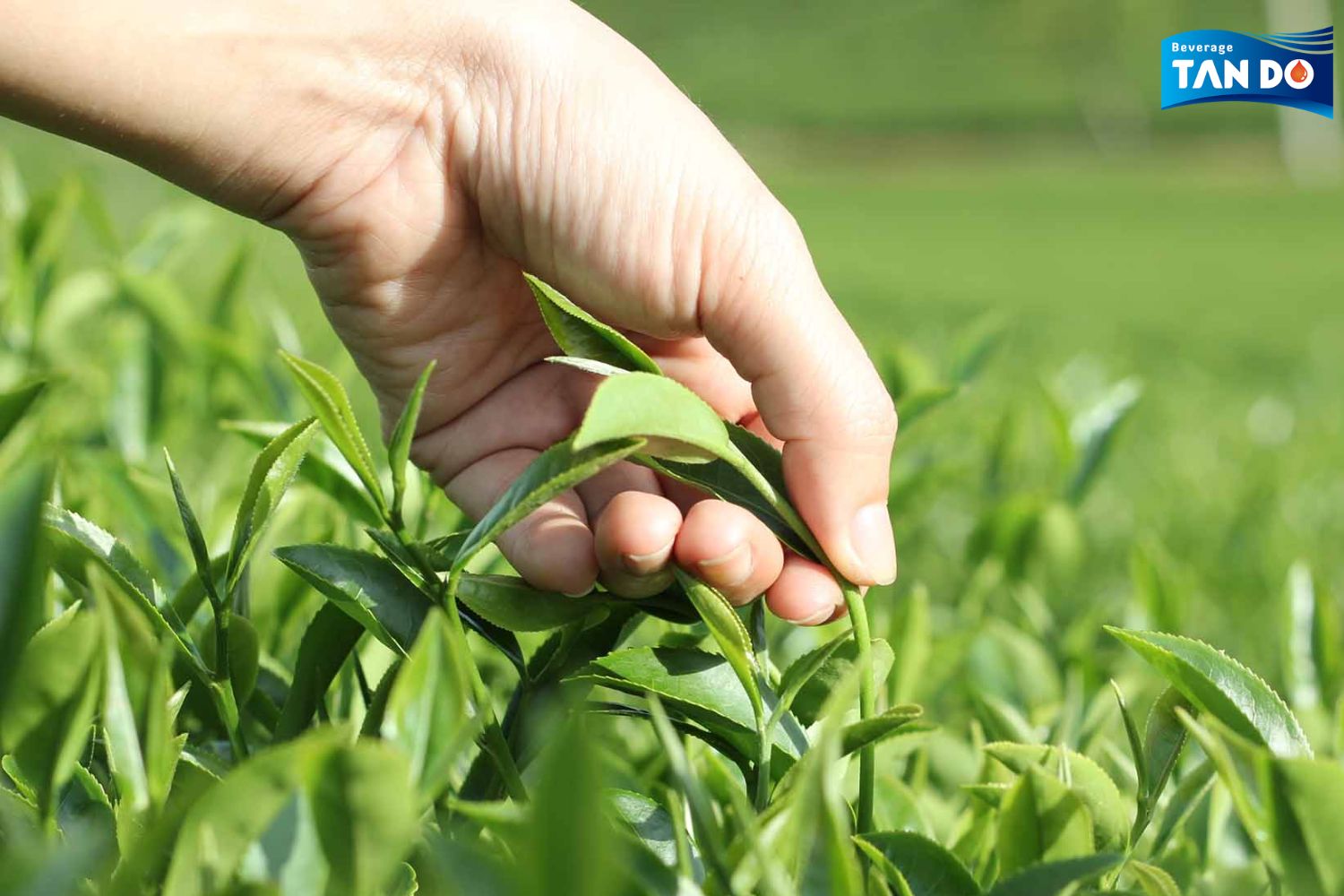
    Green tea is the most widely consumed tea in Vietnam and a natural starting point for many RTD concepts. Its flavor is light and refreshing, with a gentle bitterness followed by a soft sweetness. That balance makes it approachable for a wide range of consumers. In Vietnam, green tea is commonly in regions such as Thai Nguyen, Phu Tho, and Lam Dong. 

    Green tea contains high levels of antioxidants, especially EGCG. This compound supports daily wellness and encourages proactive health habits. In RTD applications, it works as a highly versatile base—from pure unsweetened tea to fruit blends like lemon, strawberry, or tropical flavors.

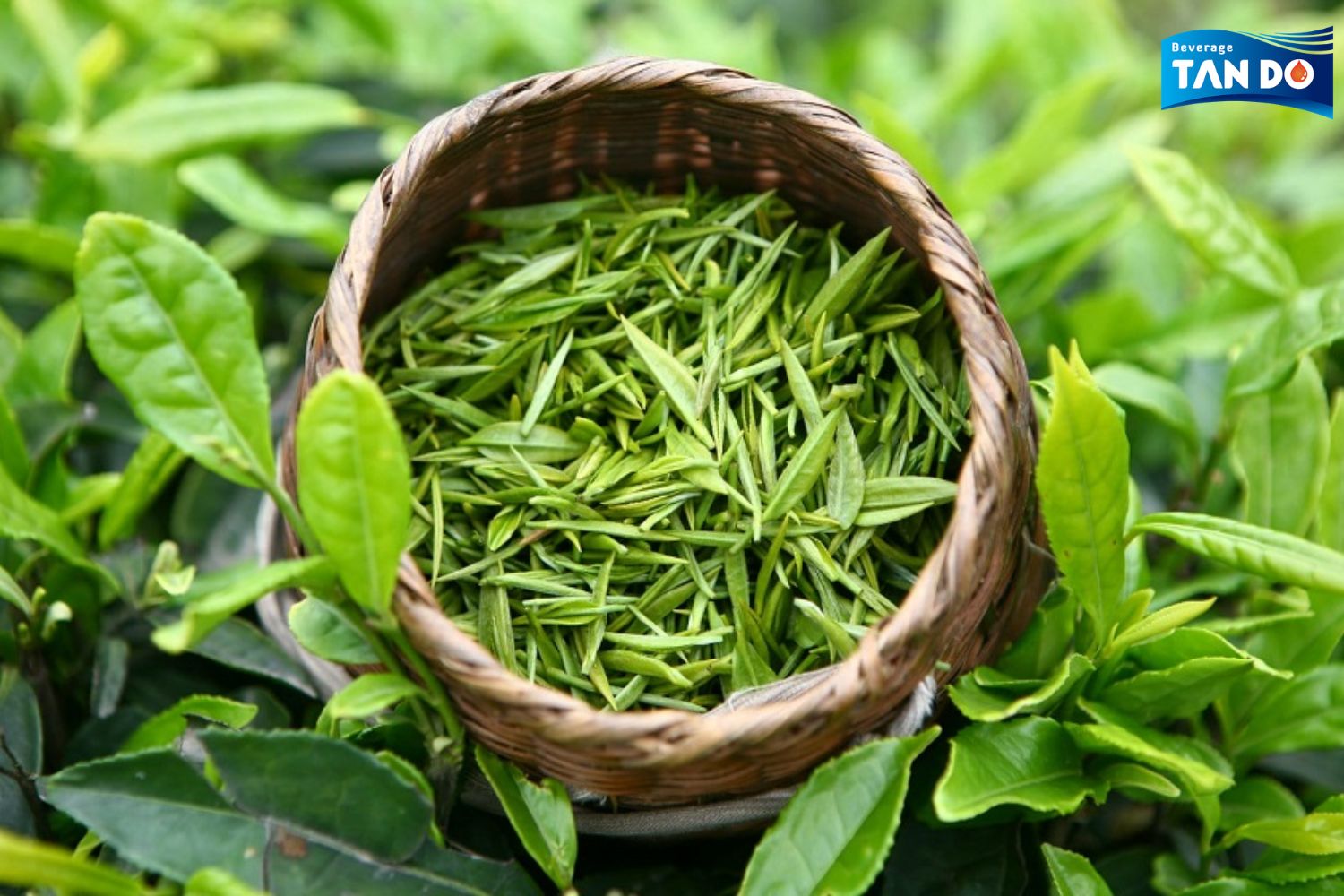
    Green Tea
    Thai Nguyen Green tea leaves

    2. Jasmine Tea

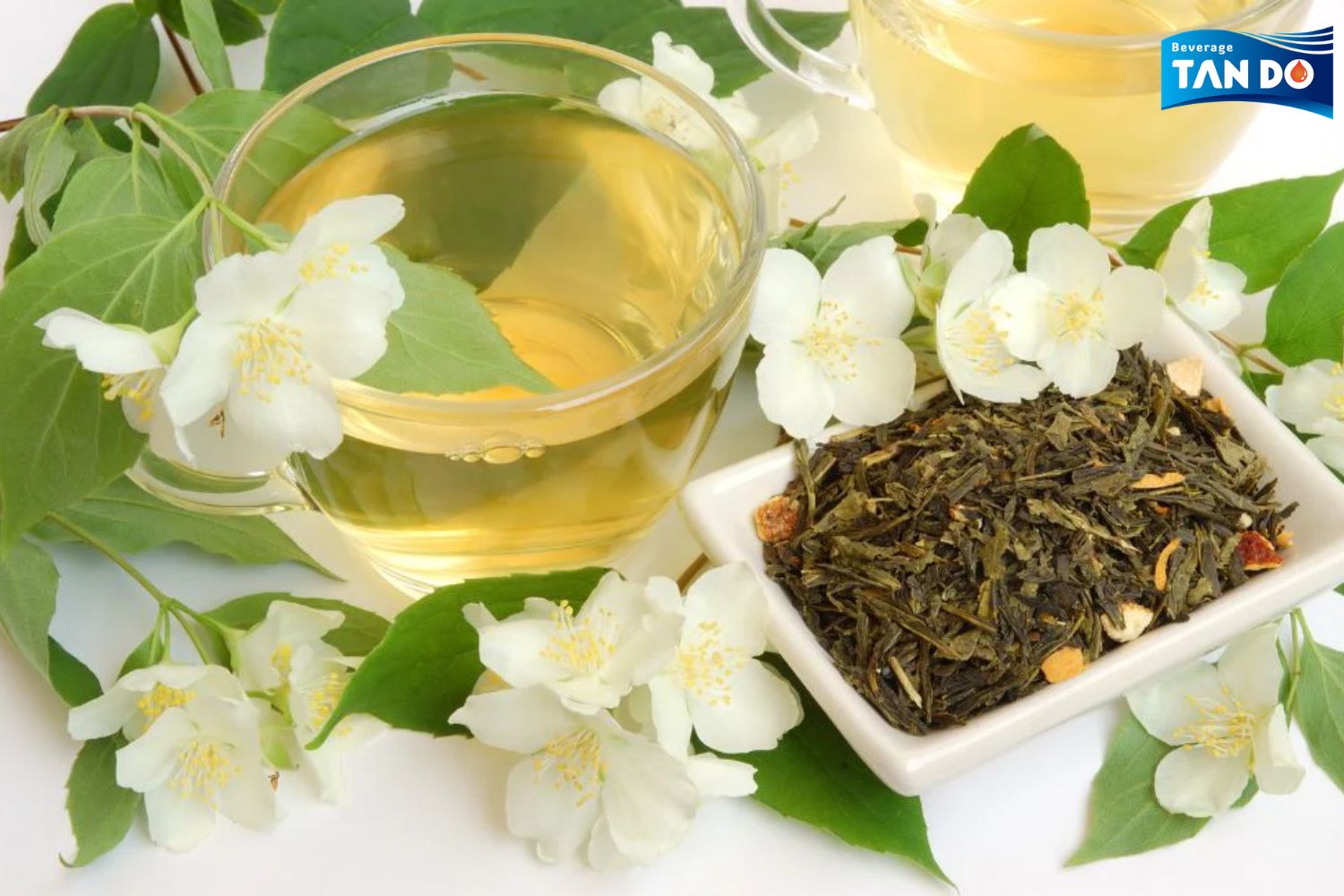
    Jasmine tea is created by infusing tea leaves with the natural fragrance of jasmine flowers, resulting in a light and aromatic profile. The floral notes are soft and not overpowering, making it a popular choice for consumers looking for something both refreshing and relaxing.

    Jasmine flowers are widely cultivated in the Mekong Delta, while the tea base typically comes from northern tea-growing regions. In RTD formats, manufacturers often pair jasmine tea with honey or citrus to enhance its brightness while maintaining its delicate character.

    Jasmine Tea
    Jasmine tea

    3. Oolong Tea

    Vietnamese oolong tea offers a more layered and complex flavor compared to green tea. As a semi-oxidized tea, it sits between green and black tea, combining freshness with depth. Its profile often includes floral, honey-like, or slightly woody notes, with a smooth and lingering finish. 

    Brands commonly use oolong in premium RTD products or blends that aim for a more refined taste experience. Key growing regions of oolong tea include Lam Dong and Moc Chau, where cooler temperatures allow the leaves to develop more complexity.

    Vietnamese Oolong Tea
    Oolong tea leaves

    4. Vietnamese Black Tea (Red Tea)

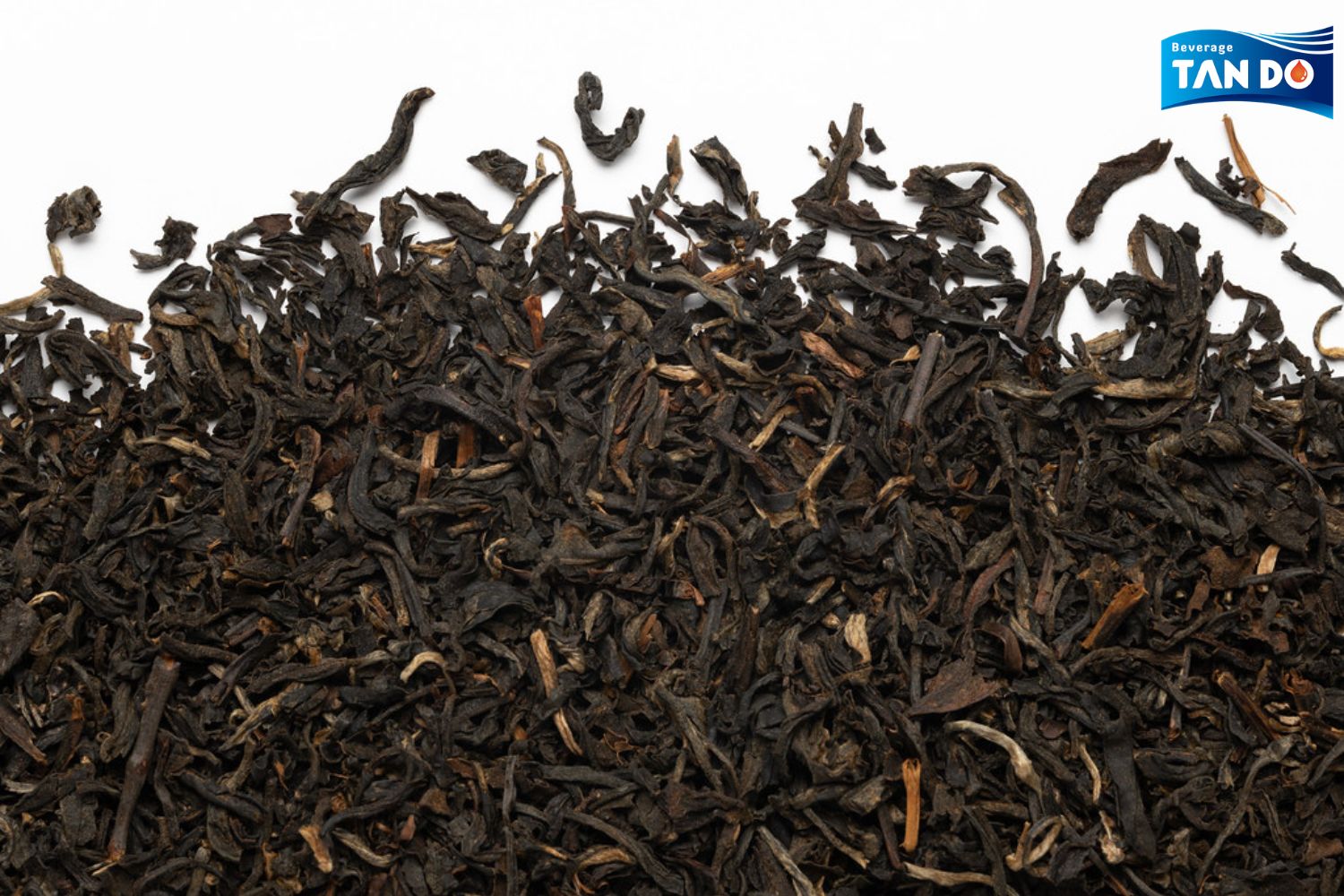
    Black tea, often called “red tea” in Vietnam. This type of tea is fully oxidized, giving it a bold flavor and a deep amber color. It has a stronger taste compared to green tea, with notes of malt, caramel, and sometimes ripe fruit. Key growing regions of black tea include Suoi Giang, Moc Chau, and Bao Loc.

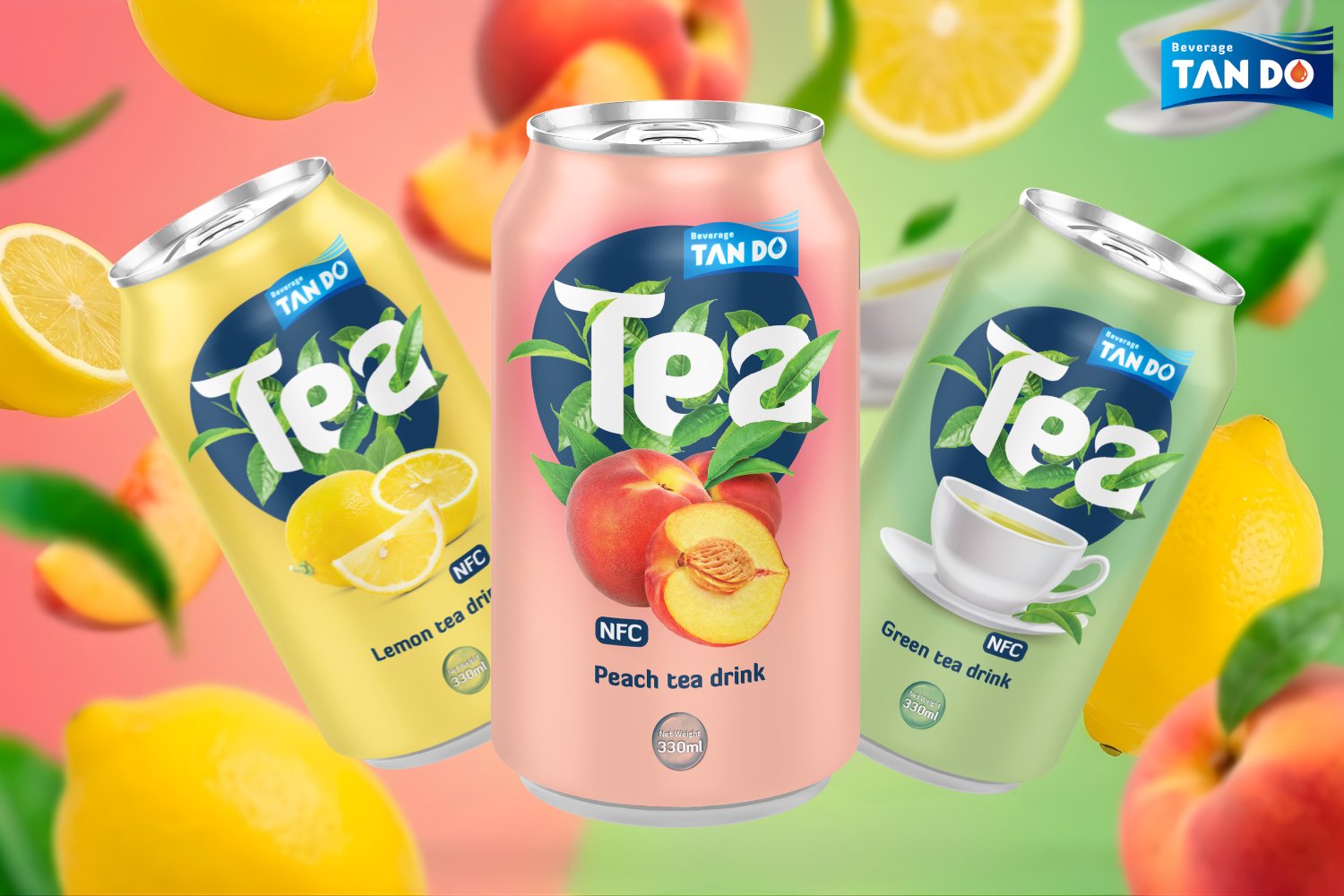
    This is the base ingredient for many popular drinks such as milk tea, peach tea, lemon tea, and various fruit tea blends. As its strong foundation holds up against creamy milk, sweet syrups, and bright fruit purees without getting lost in the mix.

    Vietnamese Black Tea
    Black tea or Red tea

    5. Lotus Tea

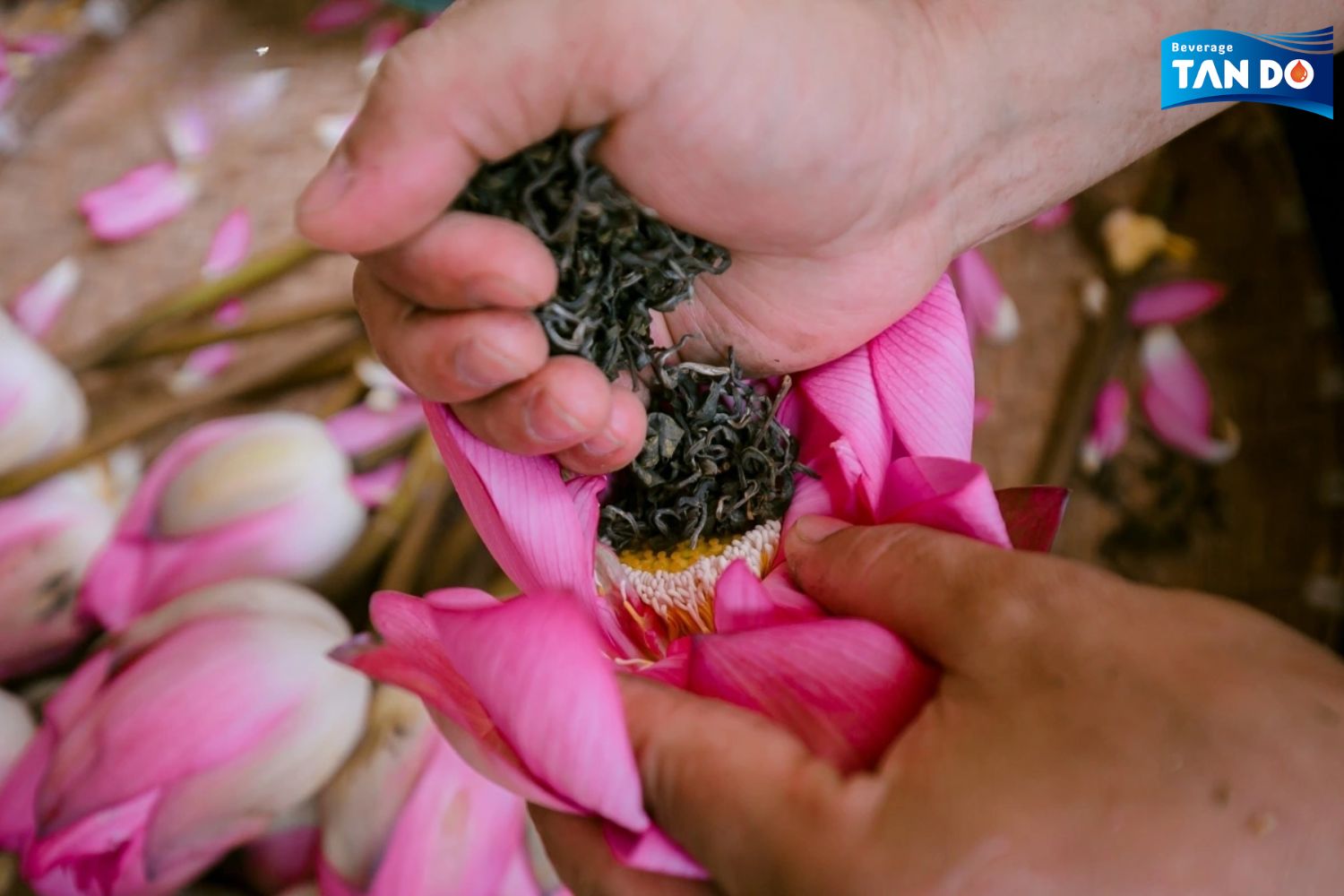
    Lotus tea is one of the most culturally distinctive teas in Vietnam. It is traditionally made by infusing hand-picked green tea leaves with fresh lotus flowers or delicate lotus stamens over several days. This allows the tea to absorb the soft, honeyed aroma of the blooms.

    The flavor is gentle, subtly sweet, and calming, often associated with relaxation and mindful sipping. In the RTD market, lotus tea is a premium and heritage-inspired product. It offers a unique, authentically Vietnamese identity compared to more common fruit or basic tea flavors.

    Vietnamese Lotus Tea
    Lotus tea – a premium, heritage-inspired beverage

    The lotus flowers comes from areas like Hanoi’s West Lake and lotus farms across the Mekong Delta. The iconic pink blooms grow well in calm freshwater lakes and ponds.

    6. Artichoke Tea

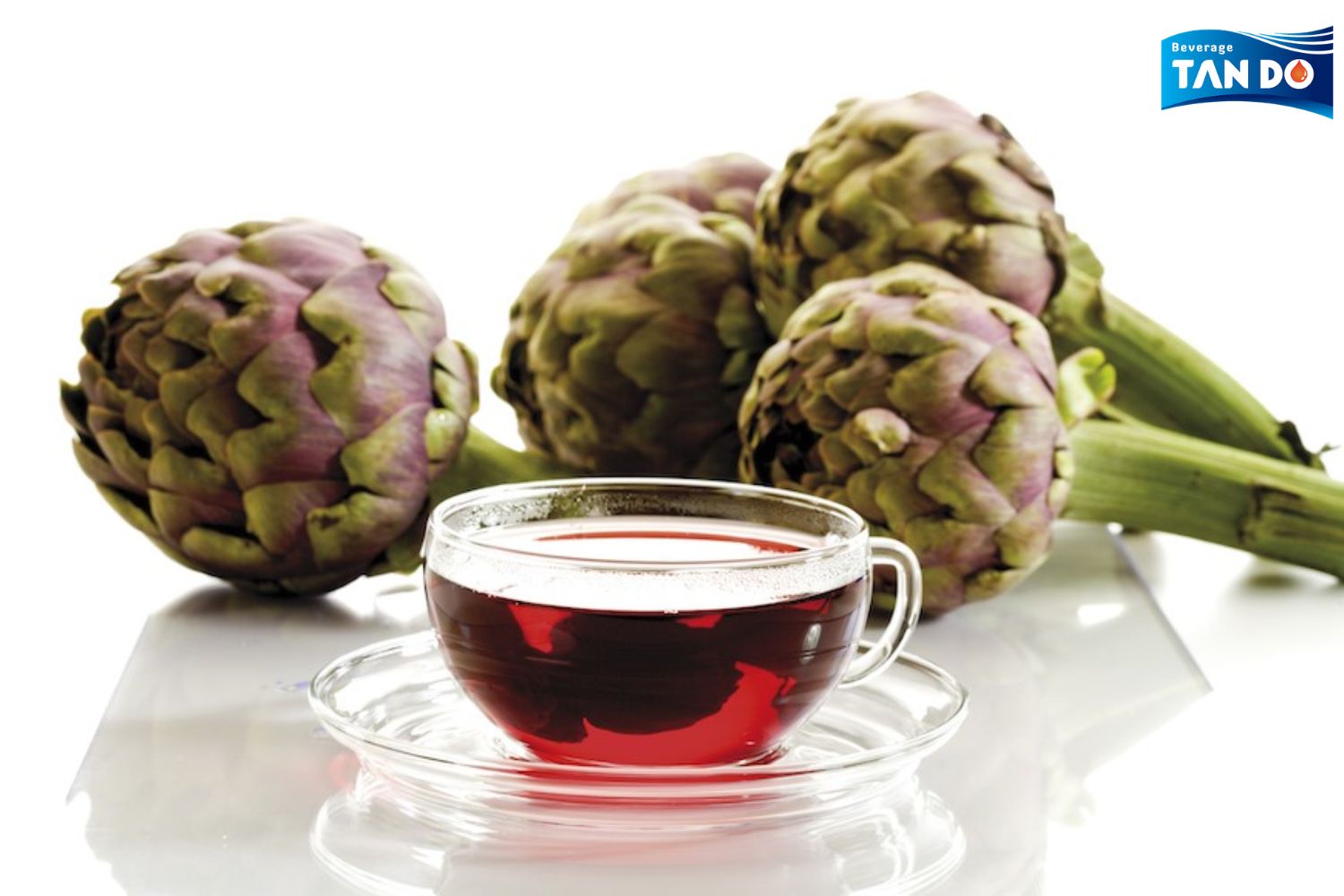
    Vietnam artichoke tea stands apart from traditional teas, as it is made from the artichoke plant rather than tea leaves. It has a mild, naturally sweet taste with a slightly herbal finish. This makes it easy to drink for a wide customers.

    Artichoke tea also supports wellness benefits such as digestion and detox, aligning well with the growing demand for functional beverages. In Vietnam, the prime cultivation area for high-quality artichokes is Da Lat.

    Jasmine Tea
    Artichoke tea can support wellness benefits

    Where to Buy the Best Quality RTD Vietnamese Tea Drink

    With over a decade of experience in the beverage manufacturing industry, Tan Do Beverage proudly stands as a leading supplier of RTD tea-based drink for brands all over the world.

    We deliver uncompromising quality at every stage of production:

    1. Pure, Traceable Tea Sourcing: We carefully select tea from reputable growing regions across Vietnam, ensuring clean and consistent quality without artificial flavors or harmful preservatives.
    2. Advanced Manufacturing Process: Our production utilizes industry-leading technologies to preserve the natural taste and nutritional value of tea.
    3. Global Food Safety Standards: We meet the strictest international food safety standards including FDA, BRCGS, FSSC, HACCP, ISO, and HALAL
    4. Flexible Customization: We offer tailored solutions for B2B partners, including flavor adjustment, sugar levels, packaging size, and free label design to match your brand identity and target market.
    5. Competitive Pricing: We provide cost-effective solutions with flexible MOQ to suit different business scales and budgets.

    Tan Do Tea Drink Manufacturer vietnam

    Sum Up

    Vietnamese tea offers a strong foundation for developing high-quality RTD beverages. From its rich heritage and diverse tea varieties to its growing production capabilities and global market potential.

    If you’re looking for a reliable partner to bring your RTD tea ideas to life, Tan Do Beverage is here to help. Get in touch with us today for expert consultation and complimentary samples. Discover how we can help you create products tailored to your market!

    Content Protection by DMCA.com
    Phuong Dang

    Leave a Reply

    Your email address will not be published.

    Xác thực trượt *