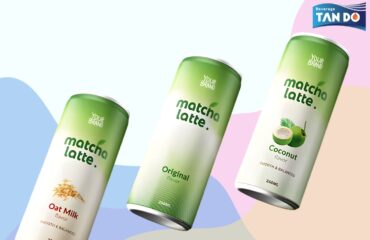
Coconut milk vs coconut water may come from the same fruit, but they are surprisingly different in nutrition, taste, texture, and how they’re used in beverages. As consumer demand for natural, tropical, and functional drinks continues to rise, understanding these two coconut ingredients becomes essential—especially for beverage brands developing the next hit product.
In this guide, we break down everything you need to know about coconut milk vs coconut water, helping you choose the right ingredient for health, flavor, and product innovation.
What is the Difference Between Coconut Milk and Coconut Water?
1. Nutritional Profile Comparison
Coconut milk versus coconut water may come from the same fruit, but they’re very different when it comes to nutrition. To give you a clear picture, here’s how 1 cup (240 mL) of each stacks up side by side:
| Component | Coconut water | Coconut milk |
| Calories | 46 kcal | 552 kcal |
| Carbs | 9 grams | 13 grams |
| Sugar | 6 grams | 8 grams |
| Fat | 0.5 grams | 57 grams |
| Protein | 2 grams | 5.5 grams |
| Potassium | 17% of the Daily Value (DV) | 18% of the DV |
| Magnesium | 15% of the DV | 22% of the DV |
| Manganese | 17% of the DV | 110% of the DV |
| Sodium | 11% of the DV | 1% of the DV |
| Vitamin C | 10% of the DV | 11% of the DV |
| Folate | 2% of the DV | 10% of the DV |
When you compare the nutrition of coconut milk vs coconut water, the differences really stand out—especially in their calorie levels.
Coconut water is naturally light and low-calorie, which is why it’s so popular as a refreshing, hydrating drink. Coconut milk, however, is much richer, containing more than ten times the calories thanks to its high healthy-fat content.
Their overall makeup is completely different, too. Coconut water is basically 94% water, with a small amount of carbs and almost no fat or protein. That’s what gives it its clean, crisp taste.
Coconut milk, in contrast, contains only about 50% water and is packed with creamy fats, which create that smooth, indulgent texture people love in lattes, smoothies, and cooking.
Even though they’re very different, they do share some common ground in vitamins and minerals. But each one shines in its own category:
- Coconut milk is richer in folate and manganese.
- Coconut water naturally contains more sodium, making it especially helpful for hydration.
2. Source
- Coconut water comes directly from young, green coconuts. Once the shell is opened, the naturally clear, slightly sweet liquid flows out. This fluid is essentially the coconut’s natural hydration source, packed with electrolytes and nutrients.
- Coconut milk, on the other hand, is produced from the white flesh of mature coconuts. In large-scale manufacturing, the flesh is finely ground and pressed under high pressure to extract a rich, creamy liquid. This raw extract is then processed into different formats—such as thick coconut milk, thin coconut milk, or coconut cream—depending on the desired fat content and application.
3. Appearance
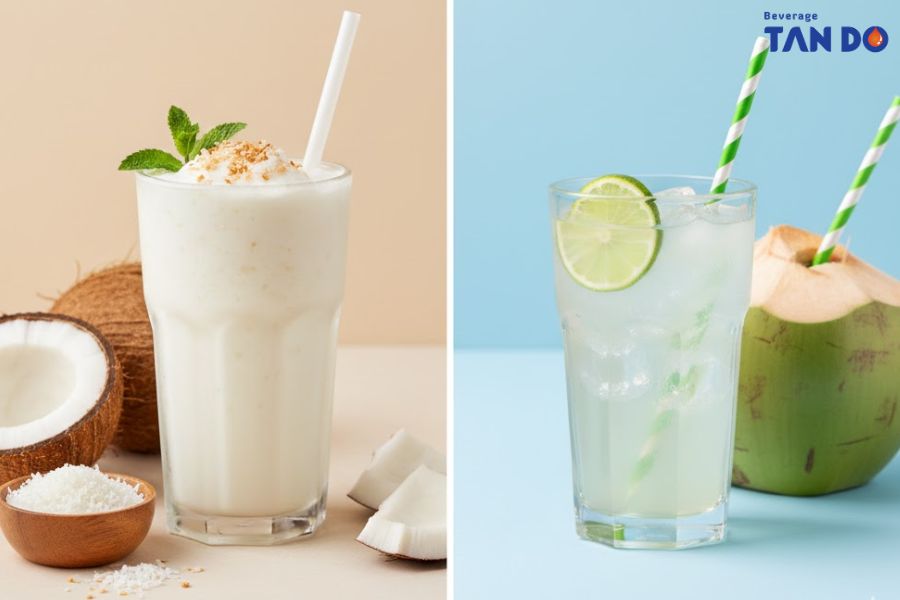
One of the easiest ways to tell coconut water vs coconut milk apart is by looking at them.
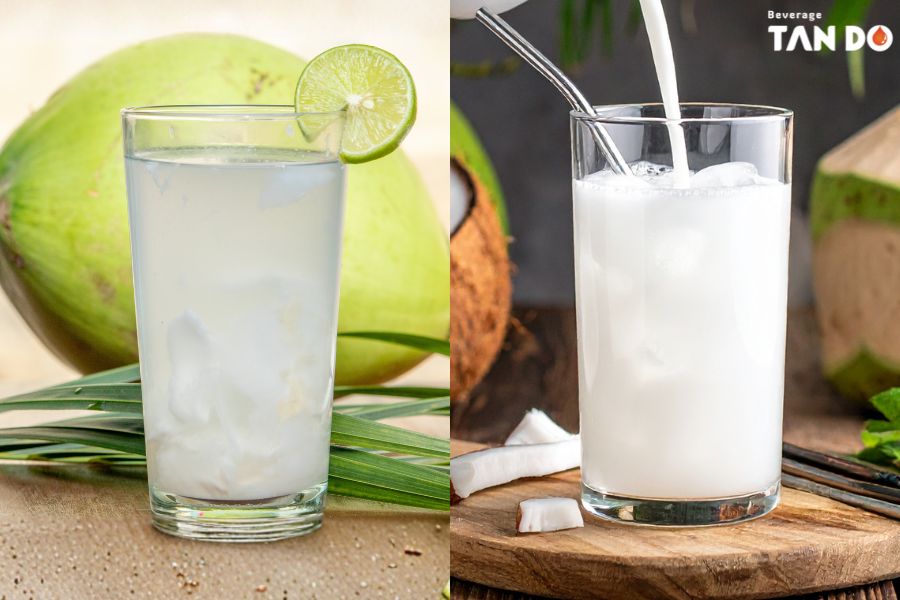
- Coconut water is light and translucent. It’s thin, almost like water, and has a subtle sheen. A quick touch confirms it’s much lighter than coconut milk or coconut cream, making it ideal for refreshing drinks and hydrating blends.
- Coconut milk, in contrast, is thick, creamy, and white—the natural color that comes from pressing coconut meat. When you pour it, you’ll notice its rich, velvety texture, which makes it perfect for smoothies, curries, and creamy beverages.

For beverage brands, understanding this visual difference is important—not only for recipe formulation but also for marketing, as the look of the product can influence consumer perception of richness, freshness, and indulgence.
4. Taste
Coconut milk vs coconut water may come from the same fruit, but their taste profiles couldn’t be more different. Understanding these differences helps avoid confusion—especially when choosing the right ingredient for your beverage or food formulation.
- Coconut milk delivers a rich, creamy flavor with a noticeable fatty mouthfeel. Even a small amount provides an unmistakable tropical aroma and a mild natural sweetness.
- Coconut water, however, offers a completely different sensory experience. It’s light, refreshing, and only mildly sweet. Some freshly harvested coconut water can even taste almost neutral, as its natural sugar content is relatively low.
5. Uses in Beverage
Both coconut water vs coconut milk have their place in the beverage world, but they serve very different purposes. Understanding how to use each can help brands create drinks that are both delicious and functional.
Coconut water is light, refreshing, and naturally hydrating. Its subtle sweetness and clean taste make it ideal for:
- Hydration drinks and electrolyte beverages
- Smoothies as a liquid base
- Sparkling fruit drinks or tropical blends
- Mocktails and wellness beverages where a gentle coconut flavor is desired
Coconut milk, on the other hand, is rich, creamy, and full-bodied. Its tropical flavor and indulgent texture make it perfect for:
- Creamy smoothies and lattes
- Dessert beverages like bubble tea, frappes, and coconut shakes
- Cocktails that need a tropical, velvety touch
- Functional beverages where a higher calorie, nutrient-dense option is desirable
Using both coconut water and coconut milk strategically can help create unique drinks that appeal to modern consumers seeking both flavor and health benefits.
6. Health benefits
Both coconut juice vs coconut water offer unique health advantages, making them popular choices for beverage brands looking to create functional and appealing drinks.
Benefits of coconut water beverage:
- Naturally low in calories and hydrating
- Rich in electrolytes, including potassium, magnesium, and sodium
- Helps replenish minerals lost during exercise or daily activities
- Supports heart health and maintains stable fluid balance
Read more: Coconut Water Nutrition Facts and Health Benefits – Tan Do
Benefits of coconut milk beverage:
- More calorie-dense and rich in healthy fats
- Contains essential vitamins and minerals like manganese, copper, and folate
- Supports energy metabolism, bone health, and overall nutrition
- Creamy texture adds indulgence and satisfaction to drinks
- Helps improve satiety, ideal for smoothies, meal-replacement beverages, and dessert drinks
Coconut Milk vs Coconut Water: Quick Summary
| Category | Coconut Water | Coconut Milk |
| Source | Naturally found inside young, green coconuts | Extracted by pressing the flesh of mature coconuts |
| Appearance | Clear, light, and translucent | Thick, creamy, and white |
| Taste | Refreshing, mildly sweet, subtle coconut flavor | Rich, creamy, fatty, with stronger coconut aroma |
| Texture | Thin and watery | Thick, velvety, and indulgent |
| Calories | Low-calorie (≈46 kcal per cup) | High-calorie (≈552 kcal per cup) |
| Best For | Hydration drinks, sports beverages, light smoothies, sparkling fruit blends | Creamy smoothies, lattes, dessert drinks, meal-replacement beverages |
| Main Benefits | Hydration, electrolyte balance, supports heart health | Provides energy, enhances satiety, supports bone & metabolic health |
Safety and Considerations
Coconut milk vs coconut water are generally safe and beneficial for most people, but it’s still important to keep a few considerations in mind—especially when using them for products or daily consumption:
- Moderation is key: Coconut water is light and hydrating, while coconut milk is richer and higher in calories. Enjoying them in reasonable amounts helps you get the benefits without overconsumption.
- Check added ingredients: Some packaged products include added sugar, flavors, or stabilizers. Choosing clean-label options ensures a more natural and healthier drink.
- Allergies or sensitivities: Although uncommon, coconut allergies do exist. Individuals with known sensitivities should consume coconut-based products carefully.
- Proper storage: Once opened, both coconut water and coconut milk should be refrigerated and used within the recommended time to maintain freshness and quality.
Frequently Asked Questions
1. Is coconut milk better than coconut water?
It depends on your goal. Coconut water is naturally low in calories, rich in electrolytes, and ideal for hydration and light beverages. Coconut milk, on the other hand, is higher in calories and healthy fats, making it great for creamy smoothies, dessert drinks, and nutrient-dense formulations. Each has unique advantages depending on the product you’re creating.
2. Does coconut milk taste like coconut water?
Not at all. Coconut water is light, fresh, and slightly sweet, with a subtle coconut flavor. Coconut milk is rich, creamy, and has a more pronounced coconut taste with a fatty mouthfeel. They’re both coconut-based but deliver very different sensory experiences.
3. Is coconut water and coconut milk safe to drink every day
Yes— But in moderation. Daily consumption of coconut water (about 200–400 ml) and coconut milk (around 100–200 ml) is generally considered safe.
4. What are the benefits of coconut milk vs coconut water for breastfeeding?
Coconut water helps maintain hydration and electrolyte balance, while coconut milk provides healthy fats that may support lactation and energy levels. Including both in moderation can be part of a balanced diet for nursing mothers.
Bring Your Beverage Vision to Life with Tan Do Beverage!
For premium coconut milk vs coconut water, Tan Do Beverage is your trusted partner. Explore our Private Label Coconut Water & Private Label Coconut Milk to create unique, good products tailored to your coconut milk brands.
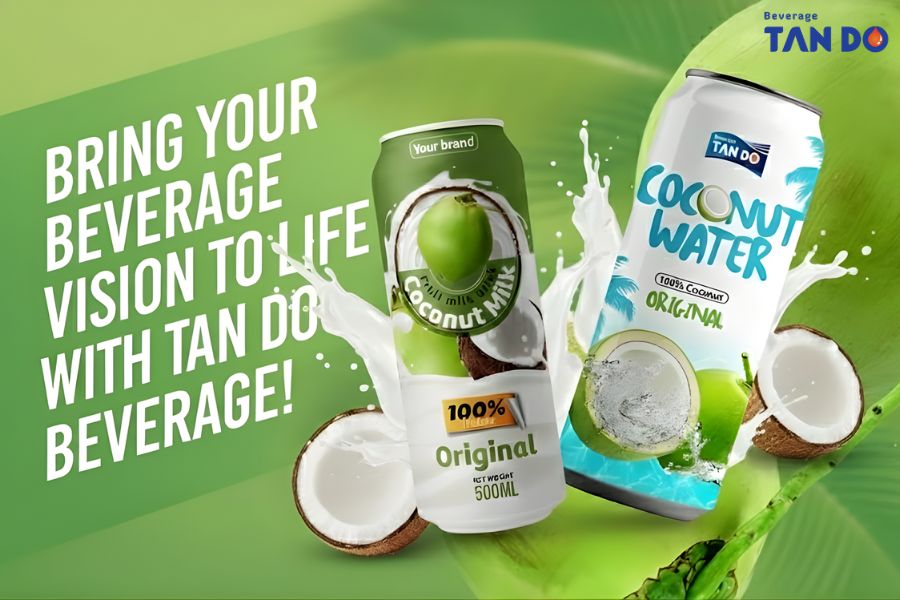
Every beverage is fully customizable—from flavor profiles to ingredient content—so you can meet your market’s needs and delight your customers. With flexible pricing and a wide range of flavors, launching standout drinks has never been easier.
Partner with us today and turn your beverage ideas into best-selling products!
You may also like:
Top 5 Recommended Coconut Water Flavors for 2025 – Tan Do