
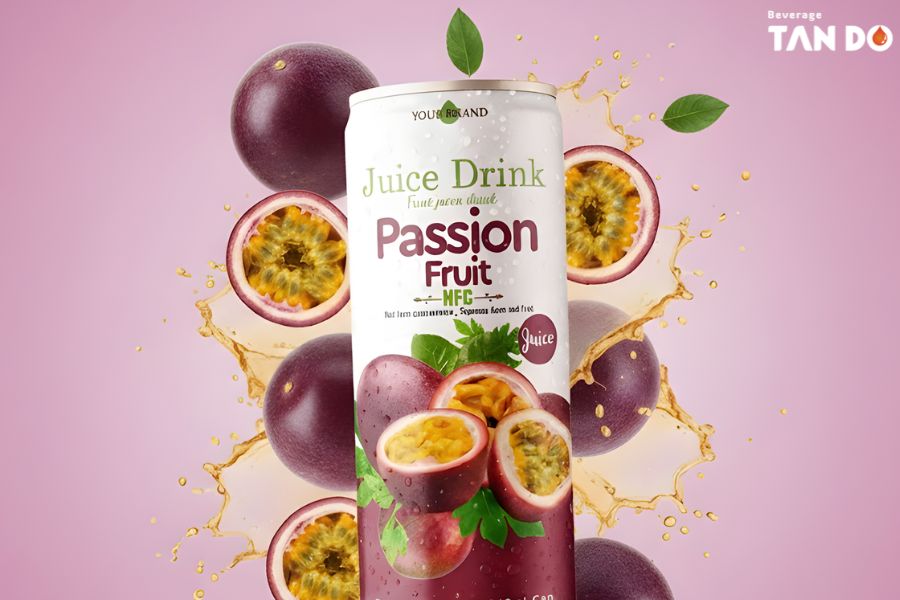

Passion fruit advantages have made this tropical fruit a favorite around the world. Loved for its bright, tangy flavor and versatility, passion fruit isn’t just great fresh—it shines in juices, smoothies, and a wide range of beverage products. For beverage brands looking to create products that stand out, understanding the unique health benefits and potential considerations of passion fruit is essential.
Today, we’ll explore its key advantages and possible side effects, helping brands make informed decisions for healthier, more appealing beverages.
What is Passion Fruit?
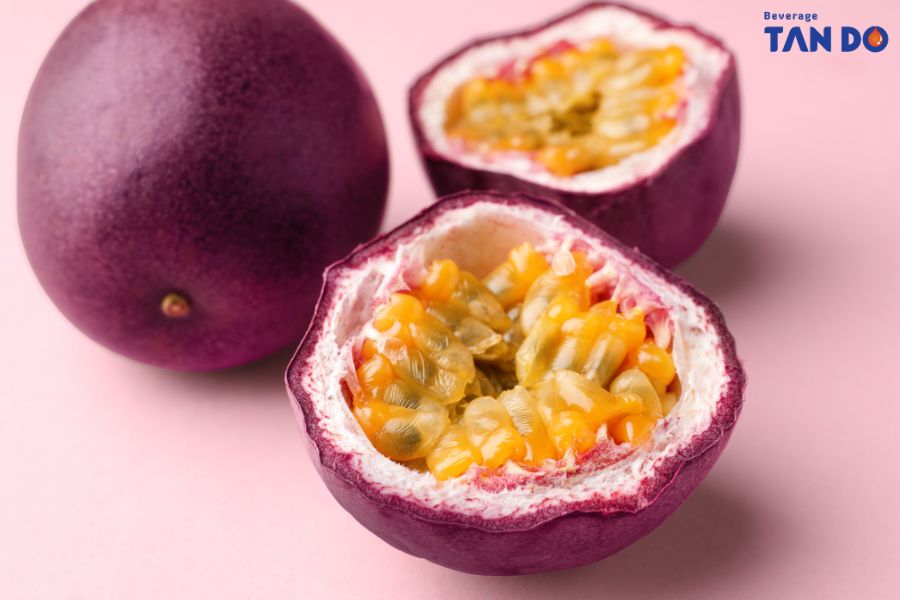
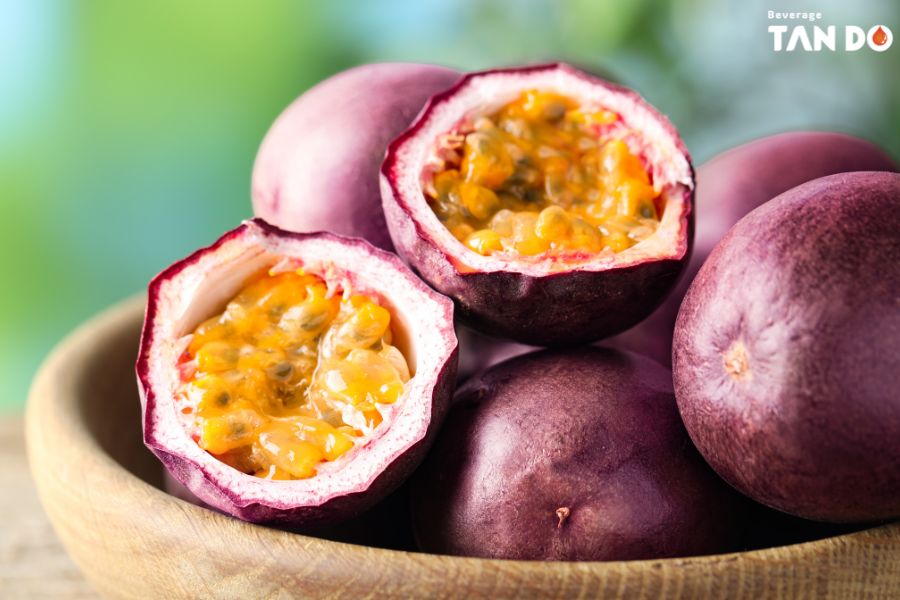
Passion fruit is a popular tropical and subtropical fruit widely enjoyed across South America, Central America, Mexico, the Caribbean, and many regions of Africa. Despite its wrinkled, yellow-purple outer shell, the inside reveals a vibrant, jelly-like pulp with a perfect balance of tart and sweet flavors.


Beyond its bold taste, passion fruit is one of the most in-demand ingredients in modern beverages, from juices and smoothies to wellness drinks and exotic fruit blends.
Is Passion Fruit Good for Health? Discover Its Nutritional Info
Yes—passion fruit offers numerous nutritional advantages, including essential vitamins, minerals, fiber, and antioxidants. Compared to many tropical fruits, passion fruit offers a uniquely powerful nutritional profile. Here’s a breakdown of its key components, according to the FoodData Central:
| Components | 100 g of passion fruit | 1 cup (236 g) |
| Calories | 97 kcal | 229 kcal |
| Fat | 0.7 g | 1,65 g |
| Protein | 2.2 g | 5,2 g |
| Carbohydrate | 23.4 g | 55,2 g |
| Fiber | 10.4 g | 24,5 g |
| Vitamin A | 64 mcg | 151 mcg |
| Vitamin C | 30 mg | 70.8 mg |
| Magnesium | 29 mg | 68.4 mg |
| Phosphorus | 68 mg | 160 mg |
| Potassium | 200 mg | 821 mg |
| Sodium | 28 mg | 66.1 mg |
Its low glycemic index also makes it a great choice for maintaining stable blood sugar levels. Overall, passion fruit is a nutrient powerhouse that supports multiple aspects of your health.


Top 7 Key Passion Fruit Advantages You Should Know
Below are the most important and science-backed advantages of passion fruit that make this tropical fruit a global favorite:
1. Rich in Antioxidants: Protect Your Body from Within
Passion fruit is naturally rich in antioxidants such as polyphenols, flavonoids, and stilbenes like piceatannol, which help neutralize harmful free radicals in the body. Free radicals can damage cells, increase inflammation, and contribute to chronic diseases such as heart disease and Alzheimer’s.
Research in animal models shows that passion fruit seed extract reduces markers of oxidative stress, while human studies suggest that these compounds may influence gene signaling related to inflammation and vascular health (PMC). Including passion fruit in your diet supports your body’s natural defenses and contributes to long-term wellness.
2. Excellent Source of Fiber: Supporting Digestion and Heart Health
Fiber content is one of the key passion fruit advantages that makes it ideal for health-focused beverages. The pulp and seeds of passion fruit are high in both soluble and insoluble fiber, which promotes digestive regularity, feeds beneficial gut bacteria, and prevents constipation. Fiber also supports heart health by binding to cholesterol in the digestive tract, lowering LDL (“bad”) cholesterol.
Studies show that fiber from passion fruit peel or pulp can improve cholesterol and triglyceride levels, making it a heart-friendly addition to the diet (PubMed). For those looking to maintain a healthy gut and cardiovascular system, passion fruit provides a delicious, natural solution.
3. Low Glycemic Index: A Smart Choice for Blood Sugar
Passion fruit has a low glycemic index (GI), meaning it releases sugar slowly into the bloodstream. This helps prevent spikes in blood sugar levels and supports steady energy, making it an excellent choice for people managing diabetes or insulin resistance.
Its natural sugars, combined with fiber, allow for a gentle, sustained release of energy, which keeps you feeling satisfied without causing blood sugar crashes.
4. May Improve Insulin Sensitivity: The Power of Piceatannol
Passion fruit seeds contain piceatannol, a natural compound shown to enhance insulin sensitivity. A randomized study in overweight men found that taking 20 mg of piceatannol daily for 8 weeks improved insulin sensitivity and reduced fasting insulin levels compared with a placebo (PubMed).
This suggests that incorporating passion fruit into a balanced diet may support metabolic health and reduce the risk of type 2 diabetes. Animal studies also indicate that piceatannol activates key pathways involved in energy metabolism and blood sugar regulation.
5. Boosts the Immune System
Vitamin C is abundant in passion fruit, and it plays a critical role in supporting immune function. It helps neutralize free radicals, enhances white blood cell function, and improves the absorption of plant-based iron.
In addition, other bioactive compounds in passion fruit, like flavonoids and polyphenols, have anti-inflammatory properties that further support immune health. Regular consumption of passion fruit may therefore strengthen your body’s defenses and help reduce the risk of infections.
6. Supports Heart Health
Supporting cardiovascular wellness is one of the most valuable advantages of passion fruit for consumers and beverage brands alike. It contains heart-healthy potassium and is naturally low in sodium, which helps maintain healthy blood pressure. Its fiber content also helps remove excess cholesterol from blood vessels, reducing the risk of heart disease.
Research shows that consumption of passion fruit extracts can positively influence cholesterol metabolism and lower lipid levels in both animals and humans. By supporting vascular function and promoting a healthy heart, passion fruit can be an easy addition to a cardiovascular-friendly diet.
7. May Help Reduce Anxiety
Passion fruit contains magnesium, a mineral linked to decreased stress and anxiety levels. While the fruit itself provides a small amount — around 5 mg per serving — magnesium has been associated with improved mental well-being in several studies.
Additionally, traditional use of passion fruit in teas and beverages is known for its calming effects, possibly due to its bioactive compounds, adding another functional passion fruit advantage to beverage formulations. Including passion fruit as part of a balanced diet may contribute to mild stress reduction, especially when combined with other lifestyle factors.


Passion Fruit Side Effects
Beside health benefits of passion fruit, there are a few possible side effects to be aware of:
1. Allergic Reactions
Some people are allergic to passion fruit—especially those who also have a latex allergy. The proteins in passion fruit can be similar to latex proteins, triggering cross-reactivity. Allergic symptoms might include hives, breathing difficulties, or other reactions.
2. Interaction with Medications
Passion fruit (especially from its leaves/flowers, but possibly from other parts) can have mild sedative effects, which may interact with medications such as sedatives, blood pressure drugs, or anticoagulants. Specifically, overconsumption might potentiate the effects of blood thinners, raising bleeding risk.
3. Sedative Effects / Drowsiness
Passion fruit extracts, especially from leaves or seeds, have mild calming or anxiolytic effects. Animal studies show that high doses can cause drowsiness, so consuming large amounts may make you sleepy. (PubMed study)
4. Metabolic Effects of Piceatannol
The seeds of passion fruit contain piceatannol, a compound that can affect metabolism and activate certain genes (Sirtuins) linked to longevity. While these effects are generally beneficial, using very high doses from supplements without medical supervision may carry unknown risks. (Academic study)
5. Not Always Safe Before Surgery
Because of its potential to depress the central nervous system, some sources recommend avoiding passion fruit before surgery. It could interfere with anesthesia or sedative medications.


How to Eat Passion Fruit?
Passion fruit is a small tropical fruit with a big flavor. To enjoy it, simply cut the fruit open and scoop out the vibrant, juicy pulp along with its edible seeds. While the white pith between the rind and the flesh is technically edible, it’s usually left aside because of its bitter taste.
Passion fruit blends beautifully with yogurt, desserts, and especially beverages. The naturally tangy, aromatic pulp makes it perfect for refreshing drinks that burst with tropical flavor. Here are some popular ways to incorporate passion fruit into your beverages:
- Passion fruit Juice: Scoop the pulp and press it through a sieve to remove some of the seeds if you prefer. You can enjoy it as a simple juice, or mix it with sparkling water for a naturally sweet and tangy fizzy drink.
- Cocktails & Mocktails: Passion fruit juice adds a bright, tropical note to cocktails, from margaritas to rum punches, or non-alcoholic mocktails. Its natural sweetness reduces the need for added sugar.
- Smoothies & Blends: Blend passion fruit pulp with other fruits like mango, pineapple, or banana for a creamy, nutrient-packed smoothie. Its tartness balances sweeter fruits and adds a refreshing zing.
- Sparkling fruit drink: Combine passion fruit juice with carbonated water or sparkling fruit blends to create a refreshing, naturally tropical sparkling drink.
- Cordial or Syrups: Make a passion fruit syrup or cordial that can flavor water, iced teas, or sparkling beverages. A little goes a long way, and it’s perfect for creating unique, tropical drink experiences.


This versatility makes passion fruit a perfect choice for beverage brands looking to create drinks that are not only tasty but also functional and unique—showing why passion fruit advantages are so highly valued in the industry.
Frequently asked questions
1. Can You Eat Passion Fruit Seeds?
Yes! The seeds of passion fruit are completely edible and safe to eat. In fact, the seeds add a nice crunchy texture that pairs well with the juicy pulp. A study indicated that passion fruit seeds contain piceatannol, a polyphenol shown to have antioxidant and anti-inflammatory properties. Eating the seeds along with the pulp can enhance fiber intake and support digestion, making your snack or smoothie even more nutritious.
2. Is Passion Fruit Good for Your Liver?
Emerging research indicates that passion fruit may support liver health. Animal studies have shown that extracts from Passiflora edulis can reduce markers of oxidative stress and inflammation in the liver, which may help protect against liver damage.
For example, in rat studies, passion fruit peel and seed extracts improved liver enzyme profiles and reduced lipid peroxidation. While human studies are still limited, including passion fruit in a balanced diet could provide antioxidants that support liver function.
Final Takeaway
Passion fruit advantages make it a flavorful superfruit with wide-ranging benefits—from boosting immunity and supporting digestion to promoting heart health and calmness. While mild side effects exist, most people can safely enjoy it. For beverage brands, passion fruit remains a top choice for creating unique, health-forward, and appealing drinks.
If you’re considering using passion fruit for drinks, don’t forget to explore high-quality options from Tan Do Beverage—your trusted partner for tropical beverage ingredients.