




Coconut Water Nutrition Facts and Health Benefits

    Coconut water is making waves around the world—and it’s easy to see why. By exploring coconut water nutrition facts, you’ll quickly understand why this natural beverage is loved worldwide. Beyond being a favorite for health-conscious consumers, its growing popularity has created exciting opportunities for beverage brands to develop clean-label, functional products that meet today’s demand for better-for-you drinks.

    In this guide, we’ll break down the coconut water nutrition info, explore the key health benefits, and show how brands can leverage coconut water’s natural advantages to create innovative and in-demand beverages.

    What is Coconut Water?

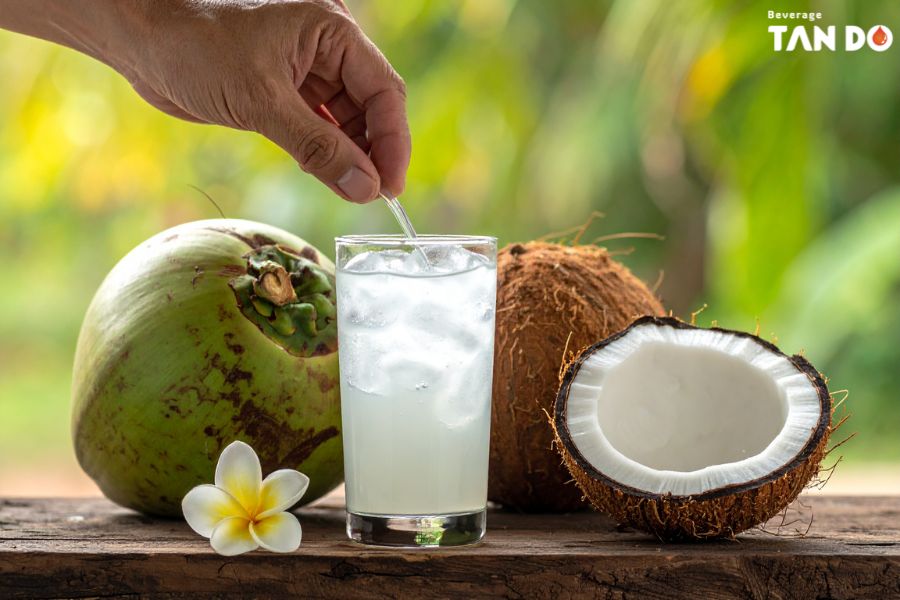
    Coconut water, the clear or slightly translucent liquid inside young green coconuts (Cocos nucifera), is a naturally hydrating superfood enjoyed around the world. Its subtly sweet and refreshing flavor has made it a favorite among health-conscious consumers in tropical regions as well as wellness communities across North America, Europe, and Asia.

    What is Coconut Water

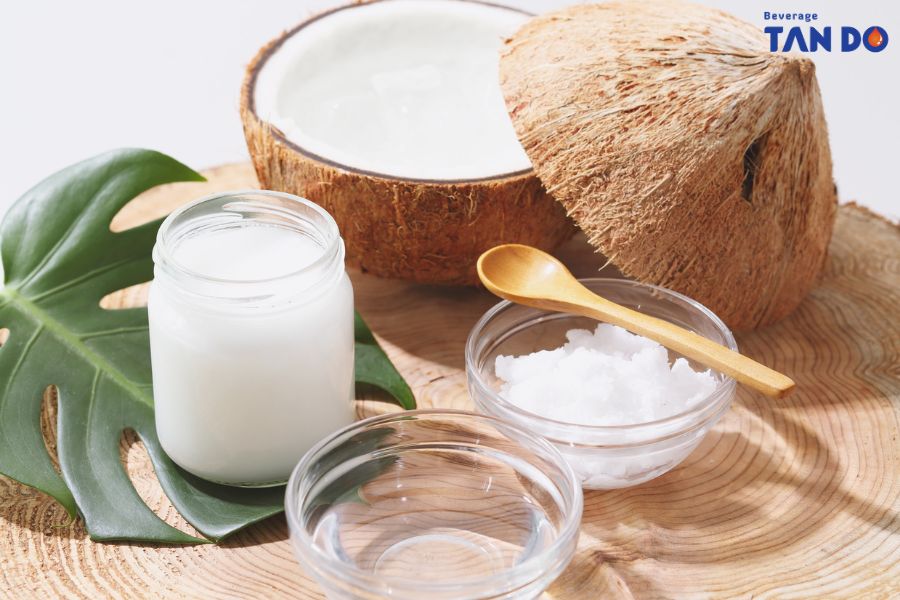
    Unlike coconut milk, which is made by blending grated coconut flesh with water, coconut water is naturally liquid and ready to drink. Its light taste and nutrient-rich profile make it ideal for daily hydration, post-workout recovery, and even culinary applications such as smoothies, beverages, or recipes.

    Is Coconut Water Good for You?

    Yes! Coconut water offers several health benefits thanks to its naturally high content of electrolytes like potassium, calcium, and magnesium. Electrolytes are minerals that carry an electrical charge when dissolved in water, helping your body maintain fluid balance, support chemical reactions, and regulate key bodily functions.

    Is Coconut Water Good for You

    That’s why you’ll often see nutrition facts about coconut water highlighted on drink labels and wellness websites — people love knowing exactly what makes this refreshing beverage so good for them.

    Coconut Water Nutrition Facts

    Coconut water nutrition facts reveal why this natural beverage is so popular. Typically, 1 cup (100 ml) of natural coconut water contains:

    • Calories: 19 kcal
    • Carbohydrates: 3.7g
    • Sugars: 2.6 g
    • Total fat: 0.2g
    • Potassium: 250mg
    • Sodium: 105mg
    • Protein: 0.7 g
    • Magnesium: 25 mg
    • Vitamin C: 2.4 mg
    • Calcium: 24 mg

    Coconut Water Nutrition Facts

    Health Benefits of Coconut Water

    Here are top benefits of drinking coconut water based on its nutritional info:

    1. Supports Healthy Muscle Function

    Coconut water is a natural source of electrolytes, especially potassium, which plays a vital role in muscle contraction and preventing cramps. A standard 1-cup (240 ml) serving of coconut water provides approximately 509 mg of potassium — around 15% of the recommended daily value.

    Coconut water has been considered as a natural alternative to traditional sports drinks for hydration during exercise. While overall performance was similar, coconut water provided significantly more potassium, helping maintain electrolyte balance after physical activity. 

    2. Natural Hydration for the Whole Body

    Proper hydration is vital for joint lubrication, body temperature regulation, nutrient delivery, and even better sleep and mood. Coconut water nutrition facts show it contains just about 60 calories per cup while replenishing fluids without excessive sugar. Studies indicate it hydrates as effectively as standard sports drinks, making it a low-calorie, natural post-workout option (MDPI).

    3. Supports Bone Health

    Calcium is essential for strong bones, but many people fall short of their daily needs. A cup of coconut water provides about 40.8 mg of calcium, or roughly 4% of your daily value. Although the calcium content isn’t high, it still contributes to overall mineral intake, supporting bone density and reducing the risk of fractures over time.

    4. May Aid Digestion and Prevent Constipation

    Coconut water has a mild natural laxative effect due to its potassium content. Regular consumption can help support digestive regularity, although extremely high intake may cause loose stools in some individuals.

    5. A Good Source of Magnesium

    One cup of coconut water contains around 16 mg of magnesium, about 4% of your daily requirement. Magnesium supports multiple body functions, including protein synthesis, blood sugar and blood pressure regulation, and proper muscle and nerve function. Long-term magnesium deficiency can lead to symptoms such as fatigue, weakness, or nausea. Fortunately, any excess magnesium from coconut water is easily excreted by the body, making it safe for regular consumption.

    6. May Support Healthy Blood Sugar Levels

    Coconut water may help support blood sugar balance, especially for individuals managing diabetes. In animal studies, diabetic rats treated with coconut water showed lower fasting glucose and lower HbA1c levels compared to untreated controls, suggesting improved long‑term sugar control.
    While coconut water naturally contains carbs, nutrition facts about coconut water provide insight for those managing diabetes to consult healthcare providers before regular consumption.

    Health Benefits of Coconut Water

    Coconut Water vs. Other Hydrating Drinks

    Coconut water is praised for its clean hydration—but is it really better than sports drinks or fruit juices? Let’s compare them side by side:

    Beverage Type Calories (per 100 ml) Sugar Content Electrolytes Notes / Benefits
    Coconut Water 19–25 kcal Low (unsweetened) High Natural hydration and electrolytes, low in calories
    Plain Water 0 kcal 0 None Pure hydration, no calories or additives
    Sports Drinks 28–50 kcal Moderate to High High Supplies electrolytes and quick energy, often high in sugar and calories
    Fruit Juice 40–50 kcal High Low Rich in vitamins, higher in sugar and calories
    Soda / Soft Drinks 55+ kcal Very High None Sweetened beverage providing energy and hydration

    How to Enjoy Coconut Water

    There’s no strict rule for how much coconut water you should drink. Many people enjoy 1–2 cups per day, while others reach for it only after exercise as a natural alternative to traditional sports drinks. 

    Here are some simple ways to incorporate coconut water into your daily routine:

    • Blend it into smoothies with your favorite fruits for a refreshing, hydrating boost.
    • Add a splash of pineapple juice to chilled coconut water for a tropical twist.
    • Mix a coconut water lemonade for a light, low-calorie beverage.
    • Use it as a milk or cream substitute in curries, soups, or sauces to add subtle flavor and hydration.

    Coconut water is versatile, naturally hydrating, and easy to include in both drinks and recipes, making it a perfect option for health-conscious consumers and innovative beverage products.

    How to Enjoy Coconut Water

    Safety and Considerations

    For most people, coconut water is safe and refreshing when consumed in reasonable amounts. Its high potassium content provides benefits like supporting healthy blood pressure, but excessive intake can pose risks for certain individuals:

    • People with chronic kidney disease (CKD) need to be especially cautious, as their kidneys may struggle to remove excess potassium.
    • In rare cases, very high consumption of coconut water has been linked to hyperkalemia, a potentially dangerous rise in blood potassium levels.
    • For anyone on blood pressure medication, it’s wise to check with a healthcare provider before increasing coconut water intake, since its natural potassium may enhance the effects of these medications.

    The takeaway: Coconut water is a healthy and hydrating beverage, but like all good things, it should be enjoyed in moderation. Checking coconut water nutrition facts can help you understand its calorie, sugar, and electrolyte content to better fit it into your daily routine.

    Safety and Considerations

    FAQs about Coconut Water 

    1. Can you drink coconut water everyday?

    Yes! Coconut water can be enjoyed daily as part of a healthy diet, thanks to its natural electrolytes, hydration, and low-calorie content. For most people, one to two 8-ounce glasses per day is a safe and refreshing amount. While daily consumption is generally fine, moderation is important. 

    2. Is coconut water suitable for people with diabetes?

    Coconut water can be a safer alternative to sugary juices or sodas, but sugar content varies by brand. Low-sugar options are preferable for people managing diabetes. Portion control is important: excessive consumption may raise potassium levels, which can be risky if combined with certain medications.

    3. Can you drink coconut water on an empty stomach?

    Yes, you can, but there’s no proven advantage to drinking it first thing in the morning. It won’t accelerate weight loss or boost immunity beyond what it normally offers. The best approach is to enjoy it when it fits naturally into your daily routine.

    4. Is coconut water fattening?

    Plain coconut water is naturally low in calories, with an 8-ounce (240 ml) serving containing roughly 45–60 calories. Flavored or sweetened varieties can have significantly more calories, so if you’re following a low-calorie diet, it’s wise to check the label and limit intake.

    Bring Your Brand to Life with Tan Do Coconut Water

    Coconut water nutrition facts aren’t just informative—they reveal why this natural beverage is a versatile ingredient, creating exciting opportunities for beverage brands.

    Bring Your Brand to Life with Tan Do Coconut Water

    For beverage companies ready to innovate, partner with Tan Do Beverage to transform coconut water into premium, market-ready products. From refreshing flavored drinks to functional, fortified options, Tan Do delivers consistent quality and scalability. Discover our coconut water today and give your brand the natural, health-forward edge that consumers can’t resist!

    Content Protection by DMCA.com
    phuong dang

    Leave a Reply

    Your email address will not be published.

    Xác thực trượt *