Fizzy drinks are enjoyed around the world for their refreshing bubbles and diverse flavour profiles. From familiar classics to newer fruit-based and sparkling options, these carbonated beverages remain a key part of everyday consumption and the wider beverage industry.
This blog provides a clear and practical overview, explaining how fizzy beverages are made, the ingredients behind their fizz, and the different types and examples commonly found on the market today.
What are fizzy drinks?
Fizzy drinks are sweet beverages with bubbles, often called soft drinks or sodas. They usually contain carbonated water, sugar or sweeteners, and added ingredients such as flavorings, colors, and preservatives.
The bubbles in fizzy drinks come from carbonated water, which is made by adding carbon dioxide (CO₂) to water under pressure. When you open a bottle or can, the pressure is released and the carbon dioxide escapes as gas, creating the bubbles you see and feel. These bubbles give them a refreshing taste, light texture, and sparkling appearance.

Besides carbonation, they include other ingredients that help improve taste and quality. Preservatives keep the drink fresh for longer, colors make it look more appealing, and flavorings create the different tastes found in each product. The exact ingredients depend on the brand and the type of fizzy drink.
How are fizzy drinks made?
Companies that produce fizzy drinks use standardized production methods and similar equipment to ensure consistent quality. While recipes may differ, the overall manufacturing process is largely the same across the industry.
There are two main ways to turn flavoring syrup into finished fizzy drinks.
In the first method, manufacturers mix the syrup with water, cool the mixture, and then add carbon dioxide. After carbonation, the drink is bottled or canned under pressure.
The second method works slightly differently. Instead of mixing the syrup and water first, manufacturers add a precise amount of syrup directly into each bottle or can. They then fill the container with carbonated water. This method allows for accurate portion control and consistent flavor in every unit.
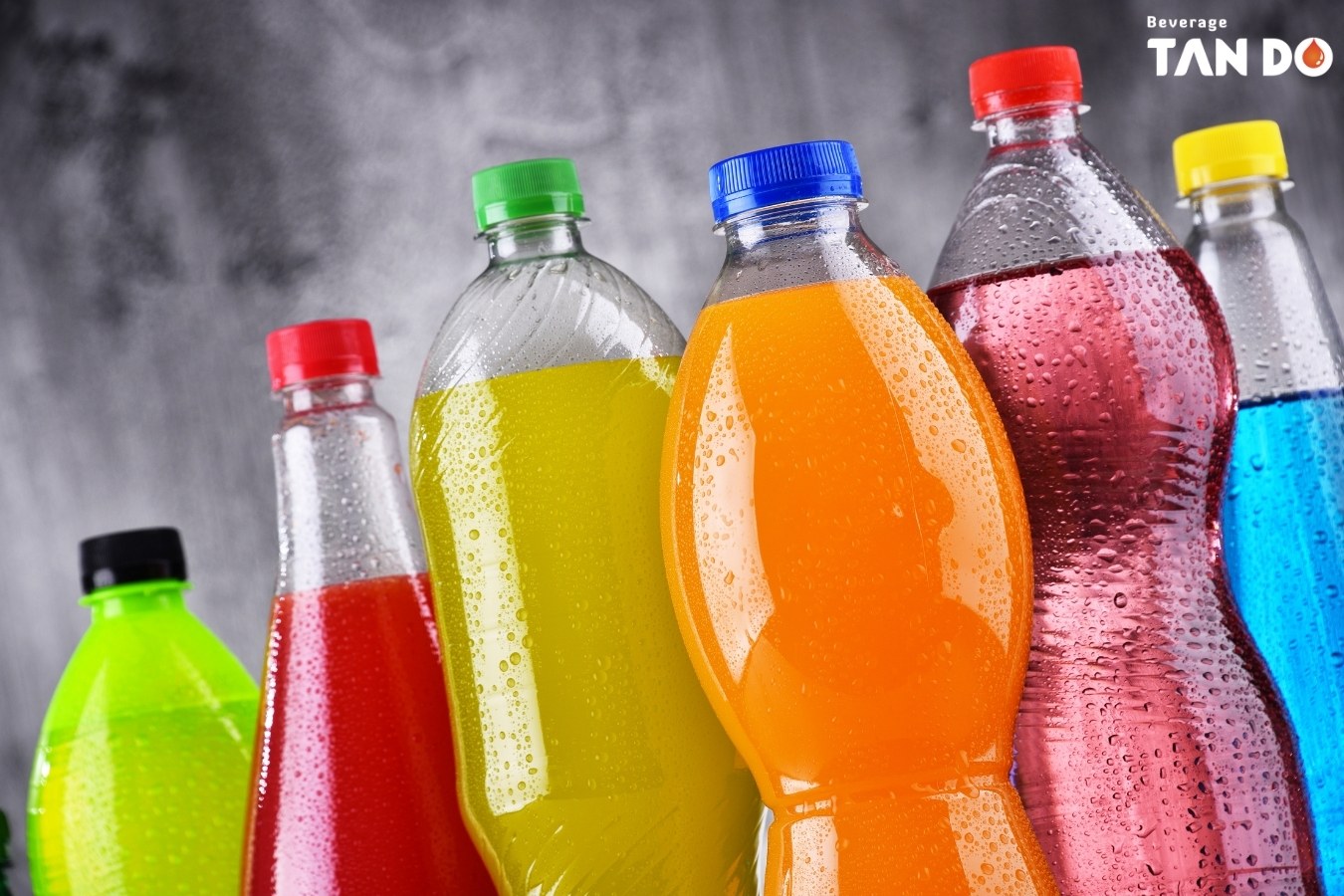
What is in fizzy drinks?
Fizzy drinks contain a mix of basic ingredients that create their taste, bubbles, and appearance. While recipes vary by brand, most of them include the following components:
- Water
- Carbon dioxide (CO₂)
- Sweeteners such as fructose corn syrup or sugar
- Coloring agents
- Caffeine (in some drinks)
- Acids such as phosphoric acid or citric acid
Each ingredient plays a specific role in how the drink tastes, looks, and feels.
The chemistry behind the fizz
Carbon Dioxide (CO₂): The Source of the Fizz
The bubbles in fizzy drinks come from carbon dioxide (CO₂). This gas is what gives soft drinks, sparkling water, and other carbonated beverages their sparkle. Manufacturers add CO₂ to the drink under pressure so it can dissolve into the liquid and create fizz.
When CO₂ mixes with water, a small portion turns into carbonic acid (H₂CO₃). This mild acid gives fizzy drinks their slightly sharp and refreshing taste. While the drink stays sealed, the gas remains dissolved. Once you open the bottle or can, the pressure drops and the CO₂ escapes as gas, forming bubbles and creating the familiar fizz.
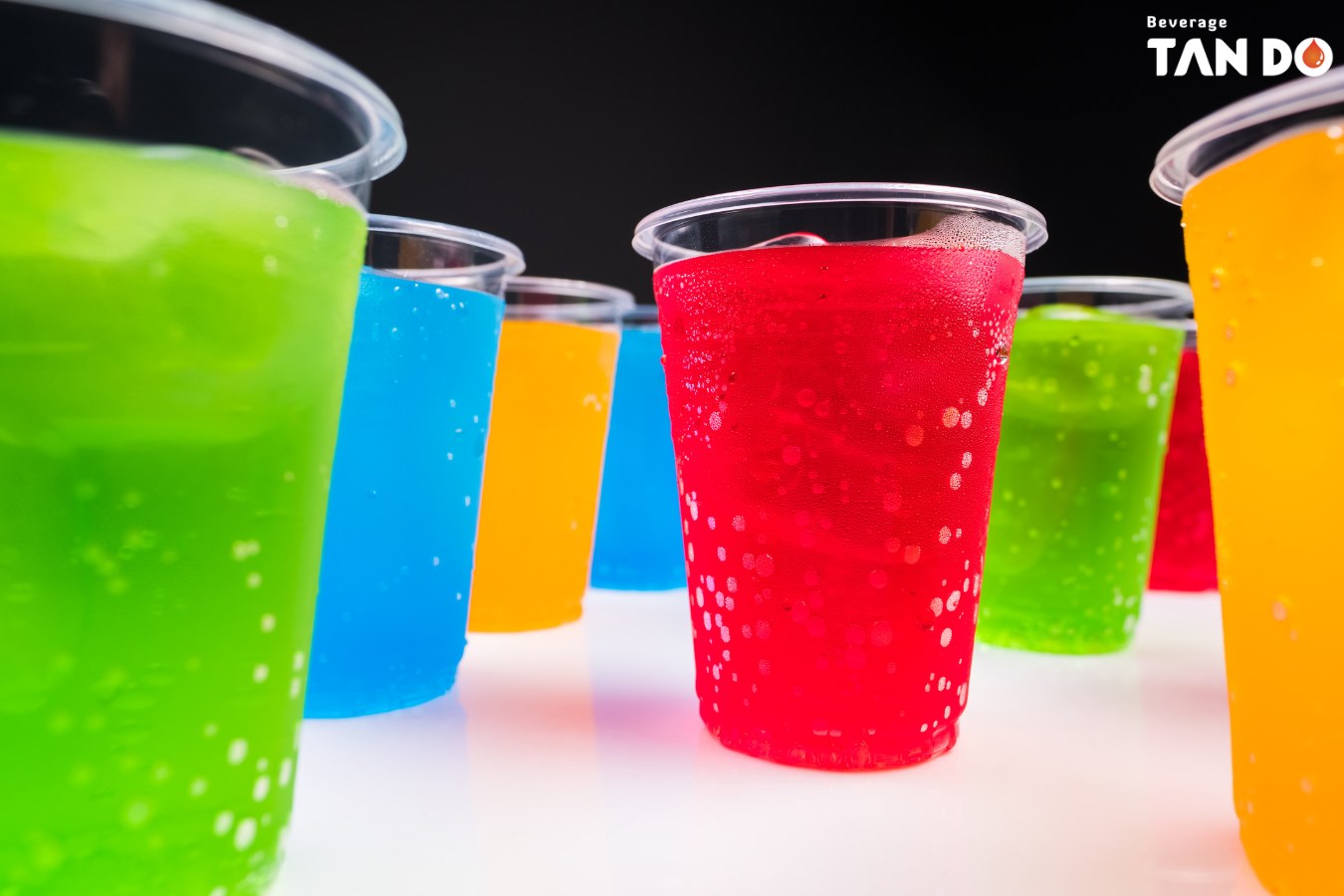
Temperature also affects carbonation. Cold drinks keep carbon dioxide trapped better than warm ones. That’s why a fizzy drink loses its bubbles much faster at room temperature than when it’s well chilled.
Temperature & Carbonation
You may notice that fizzy drinks feel more bubbly when they are cold. Temperature plays an important role in how much carbonation a drink can hold.
When a drink warms up, carbon dioxide (CO₂) escapes more easily from the liquid. Cold drinks keep the gas dissolved, which helps maintain the fizz. That’s why a soda tastes more bubbly straight from the fridge, while one left at room temperature quickly loses its sparkle. Keeping them chilled helps them stay fresh and fizzy for longer.
Surface tension & The bubble factor
Surface tension also affects how bubbles behave in fizzy drinks. It is the force that holds liquid molecules together and controls how easily bubbles can form and rise to the surface. Plain water has high surface tension, but ingredients such as artificial sweeteners can lower it. Because of this, diet fizzy drinks often fizz more quickly and keep their bubbles for longer.
Lower surface tension allows carbon dioxide (CO₂) to escape more easily, which increases the bubbly effect. The shape of the glass also makes a difference. Glasses with wide openings expose more liquid to the air, letting more CO₂ escape and making the drink feel fizzier.
Citric Acid in Fizzy Drinks
Citric acid plays an important role in many fizzy drinks, especially fruit-flavoured ones. It adds a fresh, tangy taste and helps make the drink more refreshing.
In some cases, citric acid can react with bicarbonate and release extra carbon dioxide (CO₂). This creates more bubbles and makes the drink feel fizzier. That’s why lemon-lime or orange-flavoured fizzy drinks often taste bright, lively, and extra refreshing.
Carbonic Acid: Adding Zest to the Fizz
Carbonic acid (H₂CO₃) forms when carbon dioxide (CO₂) dissolves in water under pressure. This mild acid is a key part of the fizzy drink experience. It adds a light tang and helps create bubbles.
When you open a fizzy drink, the pressure drops. Carbonic acid then breaks down into water and CO₂. The released gas forms bubbles, creating the familiar sound, feel, and sparkle of fizz.
Carbonation & Flavour
Carbonation does more than add bubbles—it also improves flavour. Rising bubbles carry aromas toward your nose, making the drink taste stronger and more enjoyable. The slight acidity from carbonic acid balances sweetness and brings out other flavours. The bubbles also help clean the palate, which makes each sip feel fresh and refreshing rather than overly sweet.

Names of fizzy drinks
Fizzy drinks are known by many different names around the world. These terms usually describe the same category of carbonated, non-alcoholic beverages, but the wording changes depending on region, culture, and everyday language:
| Region | Common Name(s) |
| Global / General | Fizzy drink, Soft drink, Carbonated drink |
| United States | Soda, Pop, Coke |
| United Kingdom | Fizzy drink, Soft drink |
| Ireland | Fizzy drink, Minerals |
| Canada | Pop, Soda |
| Australia & New Zealand | Soft drink, Lemonade |
| South Africa | Cool drink |
| Asia (general) | Soft drink, Carbonated drink |
For more, read our blog: Carbonated Water, Soft Drinks and Fizzy Drinks: What’s the Difference? – Tan Do
Common types of fizzy drinks
Fizzy drinks come in many different types, depending on their ingredients, sweetness level, and purpose. While all they contain carbon dioxide, their flavors and formulations can vary widely.
Common examples of fizzy drinks include popular sodas such as cola drinks (Coke, Pepsi), lemon-lime drinks (Sprite, 7Up), root beer, ginger ale, and fruit-flavored sodas like Fanta. The category also includes sparkling water, tonic water, and energy drinks. All of these beverages share one key feature: dissolved carbon dioxide gas, which creates their bubbly texture and refreshing feel.
Overall, there are many types available on the market. To make them easier to understand, the table below highlights some of the most common types of fizzy drinks:
| Type | Description | Examples |
| Cola drinks | Carbonated drinks with cola flavor, often containing caffeine | Cola, Pepsi |
| Lemon-lime drinks | Light, citrus-flavored fizzy drinks | Sprite, 7Up |
| Fruit-flavored drinks | Sweet fizzy drinks made with fruit flavors or juice | Fanta, orange soda |
| Sparkling water | Carbonated water with no or very little sugar | Sparkling mineral water, flavored sparkling water |
| Ginger-based drinks | Fizzy drinks with ginger flavor | Ginger ale, non-alcoholic ginger beer |
| Tonic water | Carbonated water with added bitterness, often used in mixed drinks | Tonic water, soda water |
| Diet & low-sugar drinks | Fizzy drinks with reduced or no sugar | Diet soda, zero-sugar soda |
| Energy drinks | Carbonated drinks with caffeine and energy-boosting ingredients | Energy drinks, vitamin sodas |
| Fermented drinks | Drinks that become fizzy through natural fermentation | Kombucha, cider, some beers |
Are fizzy drinks bad for health?
Fizzy drinks can be enjoyable when consumed in moderation, but drinking sugary versions frequently may affect overall health. High sugar and calorie content can contribute to issues such as tooth decay and weight gain over time.
Regular intake has also been associated with a higher risk of certain long-term health conditions, including heart disease and type 2 diabetes. In addition, fizzy drinks provide little nutritional value and are often acidic, which may impact dental health if consumed often.
What is the recommended limit of fizzy drinks per day?
There is no fixed daily limit for fizzy drink consumption. Instead, health guidelines focus on controlling overall intake of free sugars.
According to UK government recommendations, free sugars should account for no more than 5% of daily calorie intake. This equals around 30g of free sugar per day for adults and children over 11, and 24g per day for children aged 7 to 10.
In practical terms, one standard 330ml can of regular cola already contains about 35g of free sugar, which exceeds the recommended daily limit for most individuals. For this reason, sugary fizzy drinks are generally best consumed occasionally rather than as an everyday beverage.
For consumers looking to reduce sugar intake while still enjoying a refreshing, carbonated drink, there are several alternatives, such as:
- Mixing a small amount of 100% unsweetened fruit juice with sparkling water
- Drinking chilled herbal fruit teas on their own or combined with sparkling water
- Adding fresh lemon or lime slices to sparkling water
- Lightly carbonated kombucha can also be an option
Sparkling water: The hero of fizzy drinks
Sparkling water deserves its own mention. As a simple blend of water and CO₂, it’s a crisp alternative to sugary fizzy drinks. The bubbles add a refreshing texture and a hint of acidity that makes it tasty without added sugars or artificial flavours.
From an industry perspective, sparkling water is a highly flexible product category and can be developed in multiple ways, including:
- A standalone sparkling water beverage
- Flavored sparkling water
- Fruit-infused fizzy drinks
- Low-sugar or no-sugar carbonated beverages
Because of this versatility, many beverage brands are expanding their portfolios with sparkling water to respond to changing consumer preferences and global health-focused trends.
Choose Tan Do – Your trusted partner for sparkling water innovation!
Following global trends in fizzy drink consumption and the growing focus on healthier choices, Tan Do Sparkling Water is developed to meet evolving market needs. Using modern technology and strict quality standards, it delivers consistent bubbles, a clean taste, and reliable quality for export markets.

As an OEM/ODM & Private label ready solution, we help brands align with clean-label and reduced-sugar strategies while bringing refreshing fizzy beverages that fit modern lifestyles—without unnecessary complexity!
You may also like:
Carbonated Drinks Market: A Manufacturer’s Guide to Profitable Innovation & Export – Tan Do
What Makes Successful Carbonated Water Brands? – Tan Do