What Makes Successful Carbonated Water Brands?

    The global beverage market is evolving rapidly, and carbonated water brands are at the forefront of this growth. With increasing consumer demand for functional beverages, sparkling water has become a staple in retail shelves worldwide. For distributors, importers, and private-label beverage brands, understanding the landscape of carbonated water is critical for creating competitive products that meet modern consumer expectations.

    In this guide, we explore the market trends, production insights, flavor innovations, packaging options, and business opportunities for beverage brands, helping you make informed decisions for your next product launch.

    Understanding the Carbonated Water Market

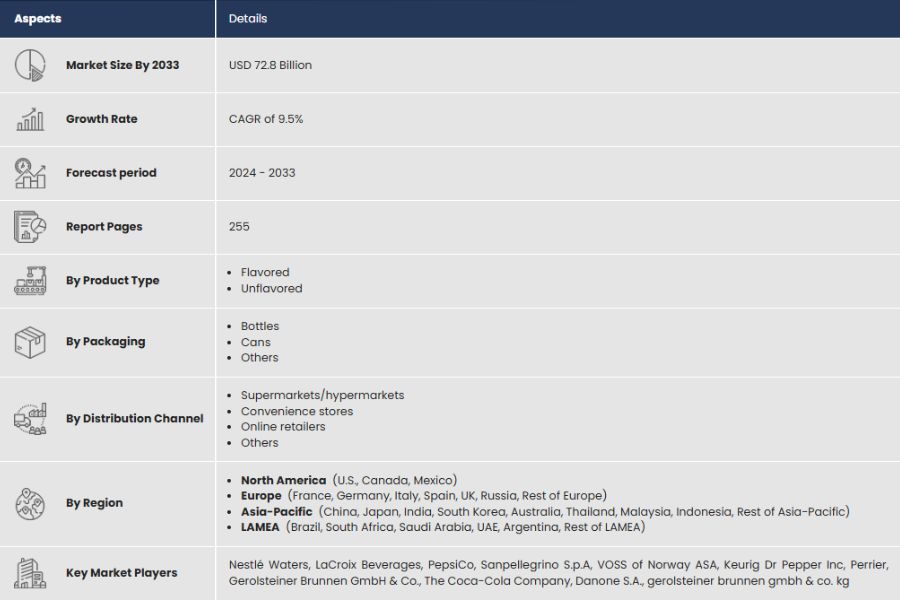
    The carbonated bottled water market is a massive and rapidly growing industry, valued at $29.7 billion in 2023 and projected to reach $72.8 billion by 2033, growing at a robust 9.5% CAGR. Its fizzy, refreshing appeal and low-calorie alternative to sugary drinks are driving global demand.

    Carbonated Water Market

    Key markets include North America and Europe, where health-conscious consumers lead adoption, while Asia-Pacific shows strong growth potential thanks to rising urban populations and changing lifestyles.

    Consumers love carbonated water for several reasons:

    • Refreshing fizz: The bubbles make hydration more enjoyable than plain water.
    • Health-conscious choice: No added sugar or calories compared to sodas.
    • Flavor variety: From citrus to exotic fruit infusions, there’s something for every taste.
    • Premium and trendy appeal: Many brands offer sleek packaging and innovative flavors, making sparkling water a lifestyle choice.

    With such scale and popularity, it’s no wonder brands are focusing on innovative flavors, creative packaging, and efficient production to meet growing demand.

    The Carbonated Water Market Highlights Report
    Source: Allied Market Research

    Key Elements of Successful Carbonated Water Brands

    A successful carbonated water brand is built on several core pillars: flavor, functionality, packaging, production efficiency, and brand identity.

    1. Flavoring and Functional Additives

    Flavoring is the cornerstone of differentiation. Today’s consumers demand more than plain sparkling water—they seek taste, novelty, and functional benefits.

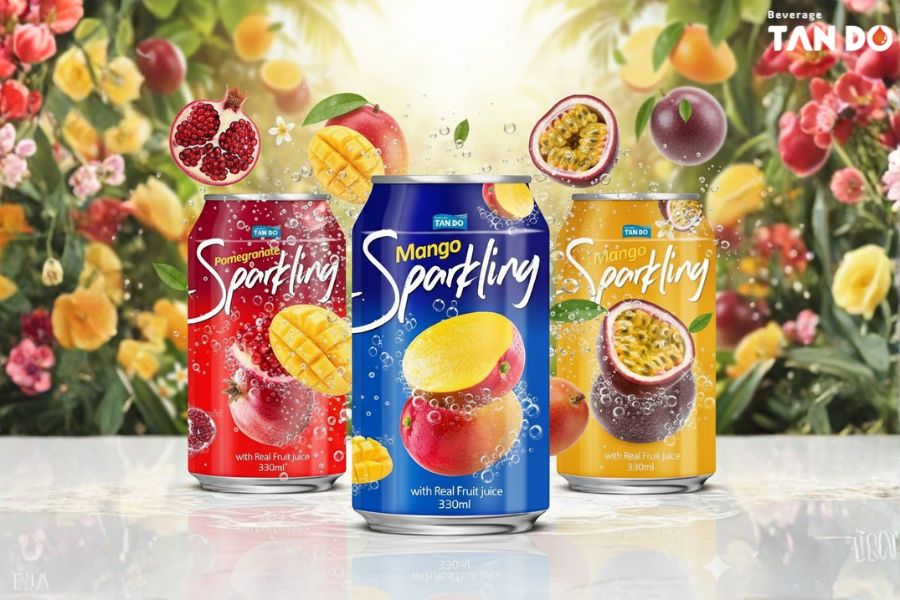
    • Natural Fruit Flavors: Citrus, berries, tropical fruits, and exotic options like lychee or dragonfruit create refreshing taste profiles without added sugar.
    • Functional Ingredients: Electrolytes for hydration, vitamins (C, B12) for immune support, and botanical extracts for wellness positioning.
    • Herbal and Botanical Infusions: Mint, rosemary, hibiscus, lavender, or chamomile provide premium flavor and marketing hooks like “calm & refreshing” or “supports digestion.”
    • Sweeteners and Sugar Alternatives: Natural zero-calorie sweeteners such as stevia, monk fruit, erythritol. Avoid high-fructose corn syrup to meet health-conscious demand.

    By combining these elements, carbonated water brands can deliver taste, functionality, and shelf appeal, helping their products stand out in a crowded market.

    2. Packaging & Size

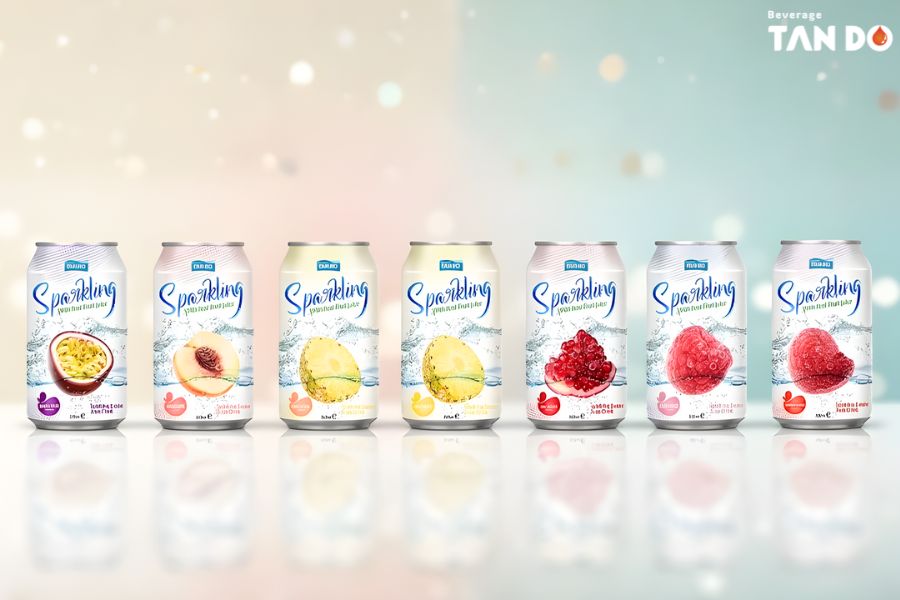
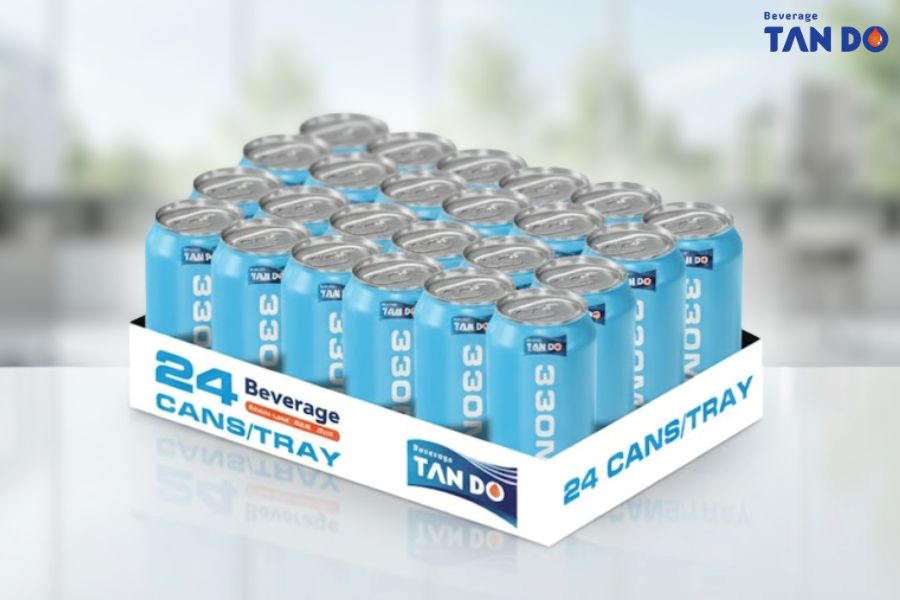
    Carbonated water is typically packaged in formats that preserve carbonation, protect beverage quality, and appeal to consumers. Aluminum cans are widely used because they can withstand high internal pressure, prevent chemical reactions with the beverage, and are lightweight, easily recyclable, and lined to avoid direct contact with the liquid.

    Aluminum cans - Tan Do Beverage Private Label Manufacturer
    Aluminum can 330ml (24 cans/ tray)

    However, carbonated water is not a single product category. It includes sparkling water, seltzer, soda water, and carbonated soft drinks, and the preferred packaging format often depends on product type, brand positioning, consumer preference, and regional trends:

    • Type of carbonated water:

    Type of Carbonated Water

    Characteristics

    Common Packaging

    Sparkling Water Naturally carbonated mineral water, may contain minerals like magnesium or calcium PET bottles (330–500 ml), Glass bottles (330–750 ml), Aluminum cans (250–355 ml)
    Seltzer Filtered water with added CO₂, no minerals Aluminum cans (250–355 ml), PET bottles (330–500 ml)
    Soda Water Carbonated water with added minerals (e.g., sodium bicarbonate) PET bottles, Glass bottles, Aluminum cans
    Carbonated Soft Drinks Carbonated water with flavorings, sweeteners, or sugar Aluminum cans (330–500 ml), PET bottles (500–1,000 ml)
    • Pros and cons of each packaging types:

    Packaging Type

    Pros Cons Typical Size
    PET Bottles – Lightweight, easy to carry

    – Cost-effective

    – Durable and resealable

    – Can use recycled PET (rPET)

    – Good for on-the-go consumption

    – Less premium feel

    – Environmental concerns if not recycled

    – Can leach chemicals if reused improperly

    330–500 ml (common single-serve)
    Aluminum Cans – Eye-catching, creative design

    – Maintains carbonation well

    – Easily recyclable

    – Good for limited editions and young audience

    – Limited resealability

    – Perceived as less premium than glass

    250-330 ml (common 12 oz)
    Glass Bottles – Premium, upscale feel

    – Preserves taste

    – Can be reused / returned in some markets

    – Heavy, fragile

    – Higher shipping and production costs

    330 ml, 750 ml, sometimes larger

    Sum up: There is no single “best” packaging for all carbonated waters. Brands should choose between aluminum, PET, and glass depending on target market, price positioning, consumption context, and sustainability goals. 

    Always research your product, understand the market, and consult a professional before deciding on the packaging and size for your carbonated water.

    3. Branding & Marketing

    A strong brand identity is crucial for carbonated water brands, as it helps products stand out on crowded shelves and resonate with consumers. Key considerations include:

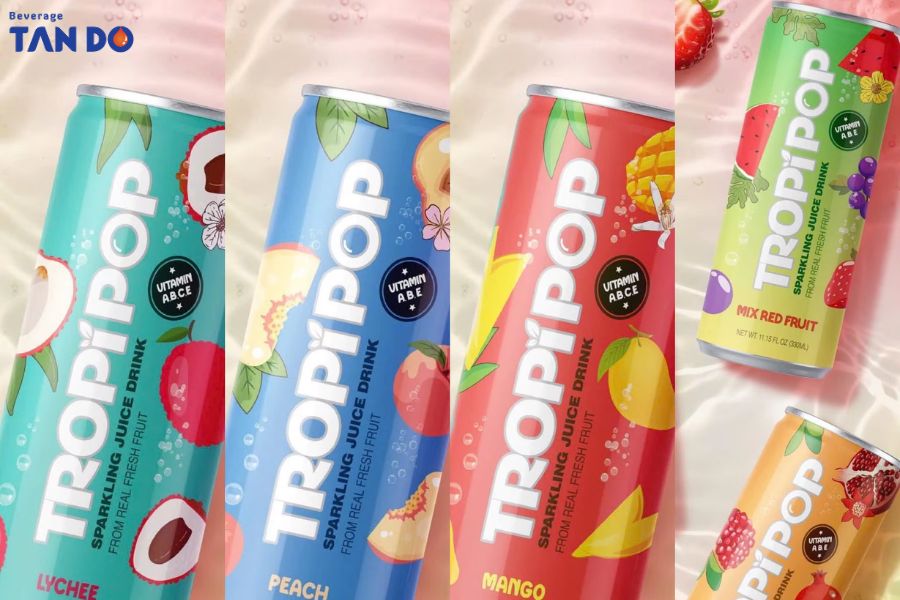
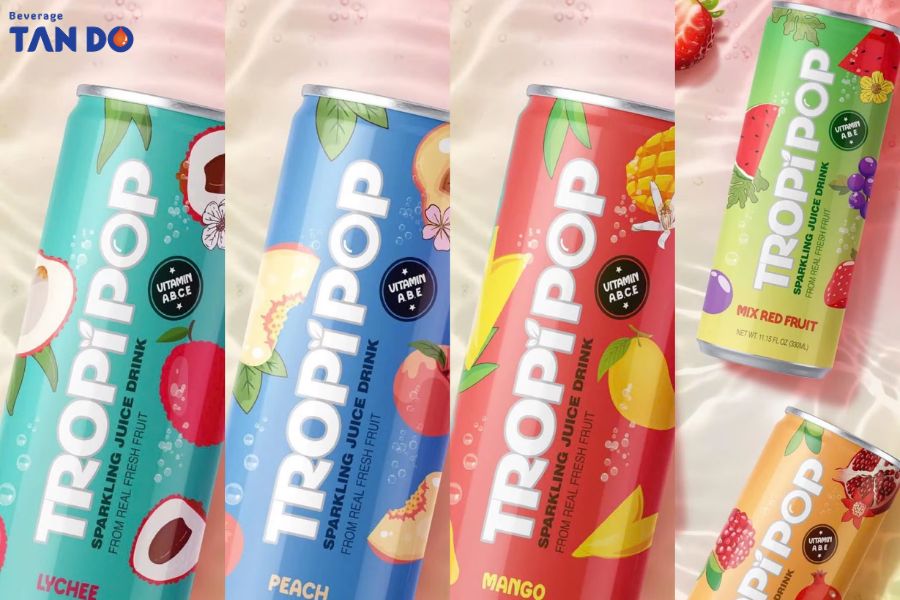
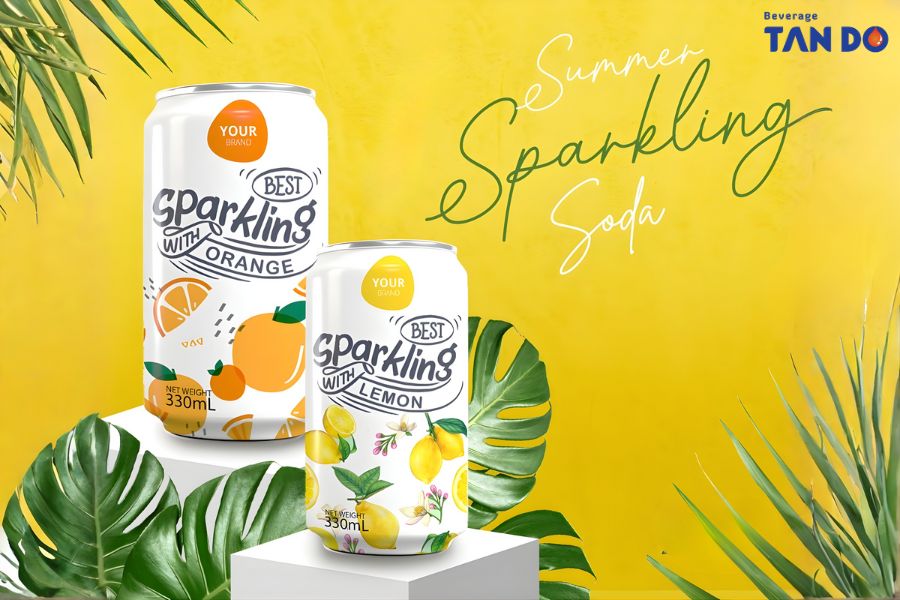
    • Visual Identity: Labels, colors, fonts, and overall design play a major role in attracting attention. A clean, modern, or playful aesthetic can reinforce brand positioning and appeal to the target audience.
    • Communication of Benefits: Highlight functional benefits such as hydration, added vitamins, electrolytes, zero sugar, or sustainability. Clear messaging helps consumers quickly understand why your product is different.
    • Limited Editions & Collaborations: Special releases or collaborations with artists, influencers, or events can create excitement, generate social media buzz, and boost short-term sales.

    A well-executed branding strategy ensures the product is memorable, recognizable, and aligned with consumer expectations.

    Key Elements of Successful Carbonated Water Brands

    4. Production & Cost Management

    Efficient production and cost management are essential to maintain quality while keeping the business profitable:

    • Efficient Carbonation & Bottling: High-quality carbonation systems and bottling processes ensure consistent fizz and product integrity. Automation and quality control help reduce variability.
    • Cost-Effective Sourcing: Selecting suppliers for ingredients, flavors, and packaging that balance quality and price is key to profitability. Consider bulk purchasing or long-term contracts to reduce costs.
    • Scalability & Flexibility: Production lines should be able to scale up for growing demand or adapt to seasonal trends without compromising product quality. Flexible manufacturing also allows quick adjustments for new flavors, packaging sizes, or limited editions.

    By carefully managing production and costs, carbonated water brands can deliver a consistent, high-quality product while remaining competitive in the market.

    5. Distribution & Availability

    Effective distribution is a critical factor for carbonated bottled water brands, ensuring products are accessible to the right consumers across the right channels. Key points includes:

    • Multi-channel presence: Products should be widely available through supermarkets, hypermarkets, convenience stores, online retailers, and horeca (hotels, restaurants, and cafes). A multi-channel approach maximizes accessibility and convenience for different consumer segments.
    • Regional Preferences: Distribution strategies must consider local consumption habits and packaging trends
    • Distributor partnerships: Collaborating with reliable distributors ensures consistent supply, maintains shelf visibility, and helps brands comply with local regulations. Strategic partnerships also facilitate entry into fast-growing markets and support multi-channel expansion.

    By aligning distribution strategies with packaging formats and regional consumer trends, brands can maximize market presence, improve accessibility, and capitalize on the projected growth of the global carbonated bottled water market.

    Distribution & Availability

    Partner with Tan Do Beverage – Your Complete OEM/ODM Solution

    Partnering with an experienced OEM/ODM beverage manufacturer like Tan Do Beverage gives you everything you need to build successful carbonated water brands without the usual headaches.

    We provide end-to-end support, including:

    • Custom formulations: Create your beverage exactly the way you want, with flavors, carbonation, and ingredients tailored to your drinks.
    • Private label solutions: Launch your brand without investing in your own production facilities.
    • Scalable production: From small pilot batches to mass retail distribution, we handle every step efficiently.
    • Regulatory compliance: All safety, labeling, and quality standards are professionally managed, including certifications like ISO, HACCP, HALAL, and FDA.
    • Brand guidance: We advise on packaging, flavoring, marketing, and distribution strategies, ensuring your product aligns with consumer trends and market demands.

    Partner with Tan Do Beverage – Your Complete OEM ODM Solution

    With Tan Do Beverage as your partner, you can focus on growing your brand and reaching consumers, while we take care of production, quality, and technical expertise—making the journey to a successful carbonated water brand smooth and worry-free.

    Sum Up

    So there you have it — a roadmap for successful carbonated water brands. These beverages offer a strategic opportunity for distributors, importers, and private-label entrepreneurs. With innovative formulations, premium packaging, and functional positioning, your brand can tap into a thriving market that blends health, flavor, and sustainability.

    Ready to turn your carbonated drink vision into reality? Partner with Tan Do Beverage and bring your carbonated water brand to life — hassle-free, fully supported, and full of fizz!


    You may also like:

    Carbonated Drinks Market: A Manufacturer’s Guide to Profitable Innovation & Export – Tan Do

    How Drink Manufacturers Help Brands Scale Faster & Smarter

    Content Protection by DMCA.com
    phuong dang

    Leave a Reply

    Your email address will not be published.

    Xác thực trượt *