Are carbonated water, soft drinks and fizzy drinks the same thing? It’s a question many people get confused about, especially since these terms often overlap in everyday conversations. That’s exactly why we’re here today—to clear things up in the simplest way possible.
In this blog, we’re breaking down what each term really means, and how people around the world use them. If you’re ready to clear up the confusion and finally understand what’s actually different between these terms, let’s jump in!
Carbonated Water, Soft Drinks and Fizzy Drinks
At first glance, terms like carbonated water, fizzy drinks and soft drinks might sound like they refer to three completely different beverage categories—but once you dive in, the differences become more about naming than about the drinks themselves.
Soft drink
A soft drink is any non-alcoholic beverage that usually (but not always) contains carbonation and often includes added sweeteners like sugar, high-fructose corn syrup, fruit juice, or sugar substitutes in diet versions. They may also contain caffeine, colors, preservatives, and natural or artificial flavors.
Fizzy drink
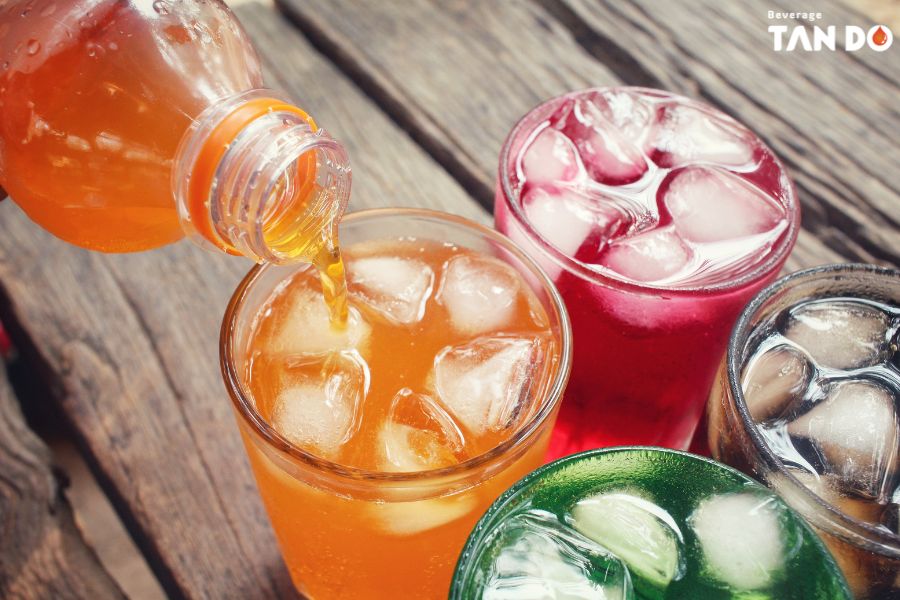
Fizzy drink is simply the everyday term used in places like the UK and Ireland for any carbonated drink. In the U.S., people might say soda, pop, or even coke (as a generic term). In Canada, pop is common; in other regions, people say cool drink, seltzer, fizzy juice, or many other local names. Essentially, “fizzy drink” is just a regional way of referring to carbonated soft drinks.
Carbonated water
Now, where does carbonated water fit into the picture?
Carbonated water is water infused with carbon dioxide to create bubbles—no sweeteners, no flavors, and no additives unless specified. It’s the base used to create many soft drinks, and it’s also enjoyed on its own as sparkling water, soda water, or seltzer (depending on regional naming). Once you add flavors or sweeteners, it becomes a soft drink.

So… Are There Any Differences?
In practical terms, no—there’s no meaningful difference at all. If it’s bubbly, refreshing, non-alcoholic, and widely enjoyed, you can call it a fizzy drink, a soft drink, a soda, a pop, or carbonated water with flavoring—you’re still talking about beverages from the same family.
Why Do They Have So Many Different Names Around the World?
Carbonated water, soft drinks and fizzy drinks have many names because language and culture shape how people talk about everyday things. Over time, communities created their own terms—soda, pop, fizzy drink, cool drink, minerals, and even coke—based on local habits, dialects, and history.
Some names come from sound, like pop, inspired by the noise when opening a bottle. Others come from branding, like coke becoming a generic term in the U.S. South due to Coca-Cola’s dominance. In the UK and Ireland, traditional terms such as fizzy drink or minerals have been used for generations and simply stuck.

Differences between American and British English also play a big role. As the languages evolved separately, vocabulary for the same drinks naturally diverged. Flavor differences add to this diversity too—global brands often modify formulas to suit local taste preferences. Water sources, sweetness levels, and types of sweeteners—like cane sugar versus high-fructose corn syrup—can all change the taste from country to country.
The Science Behind Bubbles
Ever wondered what makes carbonated water, soft drink and fizzy drink so satisfying? It all comes down to carbon dioxide (CO₂). When CO₂ is dissolved into water under high pressure, it forms carbonic acid—a weak acid that gives carbonated drinks that refreshing “bite.” The moment you open the bottle or can, the pressure drops and the CO₂ escapes as bubbles.
These bubbles stimulate the trigeminal nerve—the same nerve that detects spice and tingling sensations—creating that familiar sparkling, tingling mouthfeel. It’s a full sensory experience, not just a flavor.

The Most Popular Soft Drink Names on the Internet
Social media has turned the conversation around carbonated water, soft drinks and fizzy drinks into a global discussion.
Regional differences often go viral, especially in “What do you call this?” posts on Reddit, TikTok, or X. Despite the variety, three names dominate online culture:
1. “Soda” – The Internet’s Most Dominant Term
“Soda” is by far the most widely used soft drink name among English-speaking internet users, mainly because of its strong presence in the United States.
Research shows that the majority of Americans in the Northeast and West Coast prefer “soda.” These regions also happen to be the most active online, which explains why “soda” shows up so frequently in digital conversations. When international users pick up soft drink slang from American influencers, “soda” is usually the term they adopt.
2. “Pop” – Strong in Canada and the American Midwest
“Pop” remains a powerful regional term, especially in Canada and the U.S. Midwest. The Harvard Dialect Survey identifies “pop” as the dominant term in states like Michigan, Ohio, Minnesota, and Washington. In Canada, “pop” is widely used across English-speaking provinces.
Because these communities also have an active online presence, “pop” appears frequently in Canadian news sites, lifestyle articles, and regional discussions. The term has an onomatopoeic origin—referring to the pop sound of opening a carbonated bottle—which adds to its cultural charm.
3. “Fizzy Drink” – The Go-To Term in the UK and Ireland
In the UK and Ireland, “fizzy drink” is the everyday and widely accepted term, consistently documented in British English dictionaries and the Wikipedia “Soft drink” entry. This phrase appears across UK media, from BBC food articles to British YouTubers reviewing beverages or comparing international drinks.
On X and YouTube, you’ll frequently see comments from UK users saying things like, “We don’t say soda—we say fizzy drink!”
Beyond the Big Three: Unique Regional Names That Trend Online
Even though soda, pop, and fizzy drinks dominate, the internet loves discovering unique regional names. These often appear in international videos or posts comparing global terminology:
- “Cool drink” in South Africa
- “Mineral” in Ireland (a carryover from older bottling terminology)
- “Coke” (as a generic word) in the U.S. South
- “Soft drink” in Singapore, Malaysia, and parts of Asia
- “Lemonade” in Australia, which strangely refers to clear citrus soda like Sprite
These differences often spark fun conversations and cultural debates.
How Global Brands Adapt Soft Drink Names for Different Markets
As beverage brands expand globally, one of the subtle but essential challenges is adapting product terminology to fit local language, consumer expectations, and cultural norms. While global brands rarely change their core brand name, they often adjust category labels, variant names, or marketing language so the product feels familiar and relevant in each market.
A simple example is Coca-Cola Zero Sugar. In the U.S., UK, and most of Europe, you’ll see it labeled as “Zero Sugar,” but in Australia and several Asia-Pacific markets, it becomes “Coca-Cola No Sugar.” It’s a tiny wording change, but it matches everyday speech and immediately feels more intuitive to local shoppers.
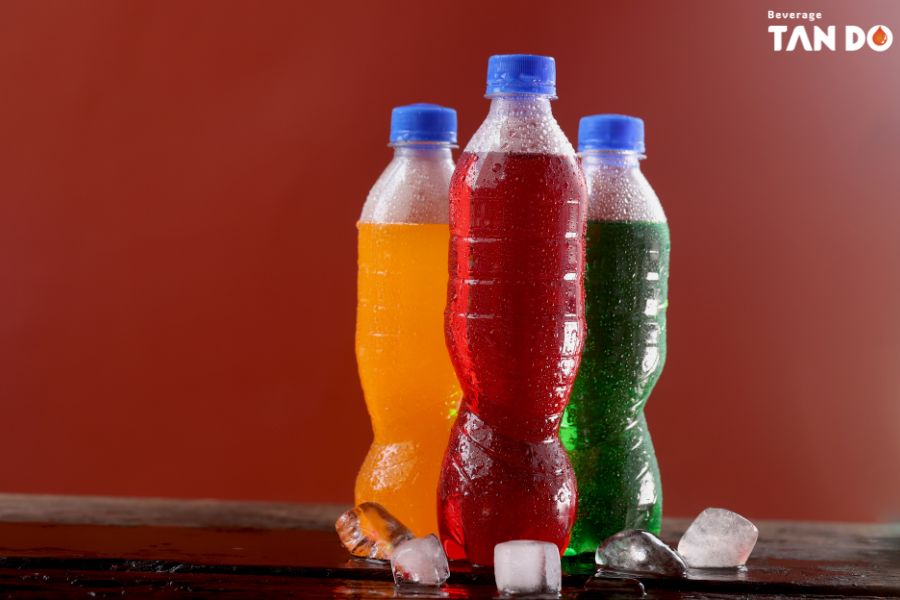
Sometimes, big brands go a step further and keep long-established local names instead of forcing a single global identity. Take Mirinda, PepsiCo’s orange soda. It’s sold worldwide, but in places where local versions already had strong recognition, PepsiCo left the names untouched—Sukita in Brazil, Yedigün in Turkey, and Frustyle in Russia.
Marketing language is also heavily adapted from country to country. One famous example is Coca-Cola’s “Share a Coke” campaign. Though it began in Australia, every market adapted the printed names, nicknames, and phrases to fit local culture, languages, and alphabets. Instead of pushing a single global message, the company allowed each region to express the idea in a way that felt personal and culturally relevant.
What This Means for Beverage Brands
For beverage brands, the idea is pretty simple: keep your core brand consistent everywhere, but stay flexible with the words you use around it. People in each market describe drinks differently, so adapting category terms, product names, and marketing copy helps your product feel familiar and authentic to local consumers. When you speak their language, you reduce confusion and build a much stronger connection.
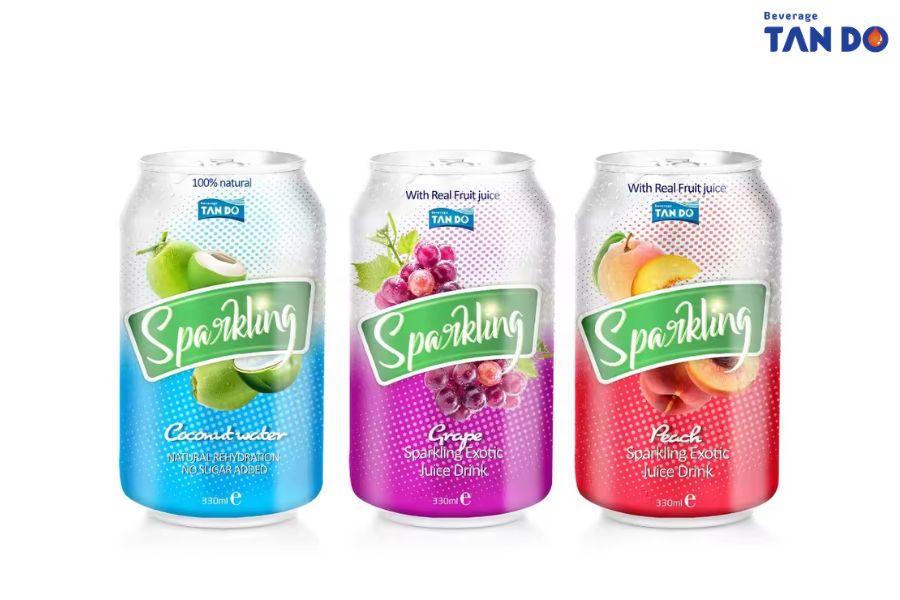
It also helps to test a few naming variations before entering a new region — you might be surprised which terms people respond to most. And don’t forget about local regulations. Many countries have specific labeling rules for carbonated drinks or sugar content, so using the right terminology ensures everything is clear, compliant, and ready for a smooth launch.
Final Takeaway
Carbonated water, soft drinks and fizzy drinks — no matter which term a market prefers, they all highlight one key point: language changes, but the category is essentially the same.
Understanding these variations helps brands communicate more naturally across regions, turning simple word choices into a powerful advantage in global marketing.
You may also like:
Carbonated Drinks Market: A Manufacturer’s Guide to Profitable Innovation & Export – Tan Do
What Makes Successful Carbonated Water Brands? – Tan Do