Do you ever wonder what the top healthiest fruit juices to drink? As global trends continue to shift toward healthier, nutrition-focused lifestyles? As consumers become more mindful of what they put into their bodies, fruit juice remains a popular choice for delivering essential vitamins, minerals, and antioxidants in an easy-to-consume form.
In this in-depth blog, we explore the most popular fruit juices today, break down their nutritional value, highlight key health benefits, and share key insights to help you choose the best options for long-term wellness!
Top 8 healthiest juices for everyday wellness
1. Pomegranate juice
Pomegranate fruit is one of the healthiest juices to drink thanks to its impressive nutrient profile and powerful antioxidants. Beyond its health benefits, it also stands out with a rich, deep red color that makes it visually appealing.
One cup (240 ml) of pomegranate juice provides approximately:
- Calories: 134
- Protein: less than 1 gram
- Carbohydrates: 33 grams
- Fiber: 0.25 grams
- Sugar: 32 grams
- Potassium: 11% of the Daily Value (DV)
- Vitamin C: under 1% of the DV
- Vitamin K: 22% of the DV
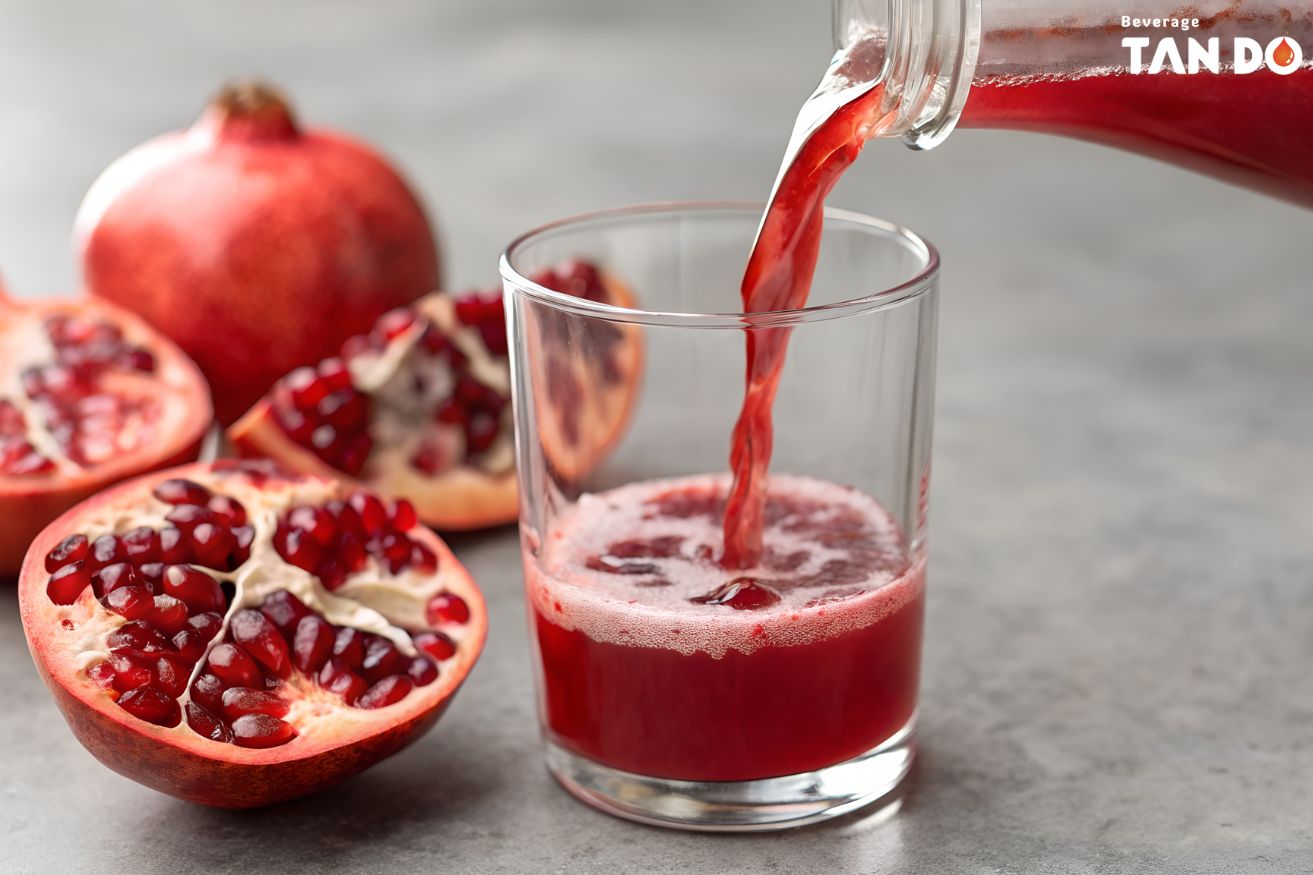
Pomegranate juice is particularly high in vitamin K, a nutrient that plays an essential role in blood clotting, supports heart health, and contributes to proper bone development.
Pomegranate juice is also rich in anthocyanins, potent antioxidants that give the fruit its characteristic dark red color. These compounds help reduce oxidative stress and support overall cellular health.
Additionally, many commercially available pomegranate juices are fortified with vitamin C, allowing a single serving to contribute up to 27% of the recommended daily intake.
2. Blueberry juice
Blueberry juice is widely appreciated not only for its pleasant taste but also for its impressive nutritional balance. A standard one-cup serving (approximately 150 grams) is made up of nearly 85% water, making it a naturally refreshing drink that helps support daily hydration needs.
- Water: 126 g (roughly 85%)
- Energy: 96 kcal
- Protein: 1.05 g
- Total fat: 0.47 g
- Carbohydrates: 21.9 g
- Total sugars: 14 g

Beyond macronutrients, blueberry juice provides key minerals such as potassium, magnesium, and calcium. These minerals support muscle function, bone health, and overall metabolic balance.
Blueberries are also a valuable source of micronutrients. A single serving supplies about 14% of the daily requirement for vitamin C, 24% for vitamin K, and roughly 13% of the recommended daily intake of dietary fiber.
Thanks to its well-rounded nutritional profile, blueberry juice is considered a light, low-fat drink. It supports hydration and offers meaningful health benefits when consumed in moderation.
3. Orange juice
Orange ranks among the healthiest fruit juices due to its well-rounded nutritional profile.
A single 240 ml serving of orange juice contains approximately:
- Calories: 112
- Protein: 2 grams
- Carbohydrates: 26 grams
- Fiber: 0.5 grams
- Sugar: 21 grams
- Folate: 19% of the Daily Value (DV)
- Potassium: 11% of the DV
- Vitamin C: 138% of the DV

Orange juice is especially rich in vitamin C, a powerful antioxidant that supports skin health and helps the body absorb iron more effectively.
In addition, it contains several phenolic compounds, including cinnamic, ferulic, and chlorogenic acids. These antioxidants help combat free radicals that can damage cells and contribute to disease development.
Several studies suggest that having orange juice following a high-fat, high-carb meal can lead to reduced inflammation when compared with water or glucose drinks. Researchers attribute this effect to the antioxidant compounds found in orange juice.
Orange juice is available in both pulp-free and pulp-containing versions. While orange juice with pulp provides a slightly higher amount of fiber, the difference is not significant.
4. Apple juice
Apple juice remains one of the most widely consumed fruit juices worldwide, thanks to its mild sweetness and easy drinkability.
In terms of nutrition, a standard 240 ml serving of apple juice delivers
- Calories: 114
- Protein: less than 1 gram
- Carbs: 28 grams
- Fiber: 0.5 grams
- Sugar: 24 grams
- Potassium: 5% of the DV
- Vitamin C: 3% of the DV

While its protein and fiber content are relatively low, apple juice still contributes essential minerals—most notably potassium, an electrolyte that plays a key role in supporting heart rhythm, muscle function, and nerve signaling.
Fresh apple juice naturally contains only small amounts of vitamin C. However, many commercially produced versions are fortified. As a result, a single serving may provide a meaningful portion of the recommended daily intake, helping support immune function and antioxidant protection.
Apple juice also contains natural antioxidants, including flavonoids and chlorogenic acid. These plant-based compounds help protect cells from oxidative stress caused by free radicals. Oxidative stress is linked to premature aging and several chronic conditions.
5. Grapefruit juice
Grapefruit juice is known for its distinctive tart and slightly bitter flavor, making it a favorite choice for those who prefer less sweetness in their daily juice. Beyond its refreshing taste, this citrus juice delivers an impressive nutritional profile that supports overall wellness.
One cup (240 ml) of grapefruit juice provides:
- Calories: 95
- Protein: 1.5 grams
- Carbs: 19 grams
- Fiber: 1.5 grams
- Sugar: 20 grams
- Folate: 9% of the DV
- Potassium: 8% of the DV
- Vitamin C: 96% of the DV
- Vitamin E: 4% of the DV
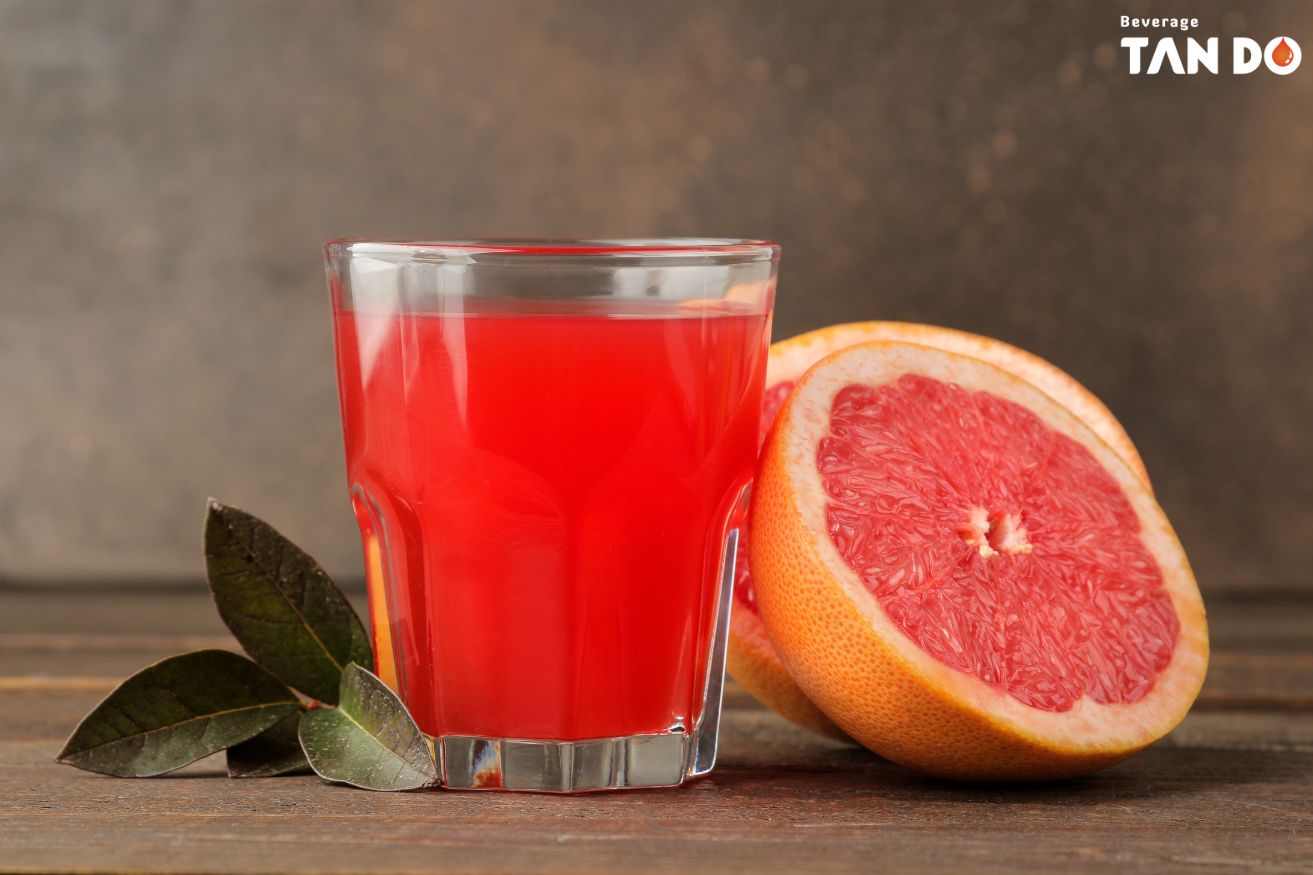
Grapefruit juice is exceptionally high in vitamin C content, an essential antioxidant that helps strengthen the immune system and protect cells from oxidative damage caused by free radicals. Regular intake of vitamin C is also associated with improved skin health and better iron absorption.
In addition to vitamin C, grapefruit juice contains naringin, a naturally occurring flavonoid responsible for its slightly bitter taste. Naringin has been widely studied for its antioxidant properties and is believed to support metabolic health while helping the body manage inflammation at the cellular level.
Grapefruit juice also provides a range of supportive micronutrients, including potassium and folate. Potassium plays a key role in maintaining fluid balance and supporting healthy blood pressure, while folate contributes to normal cell function and overall cardiovascular health.
6. Pineapple juice
Pineapple juice is a tropical favorite and a nutrient-dense addition to the list of healthiest fruit juices. Known for its naturally sweet and refreshing flavor, this juice offers both hydration and functional health benefits.
One cup (250 g) of pineapple juice contains approximately:
- Calories: 132
- Protein: less than 1 gram
- Fat: less than 1 gram
- Carbs: 32 grams
- Sugars: 25 grams
- Fiber: less than 1 gram
- Manganese: 55% of the Daily Value (DV)
- Copper: 19% of the DV
- Vitamin B6: 15% of the DV
- Vitamin C: 122% of the DV
- Thiamine: 12% of the DV
- Folate: 11% of the DV
- Potassium: 7% of the DV
- Magnesium: 7% of the DV

Pineapple juice stands out for its exceptionally high levels of manganese, a mineral that plays a vital role in bone formation, metabolism, and antioxidant defense. Alongside manganese, copper and vitamin B6 contribute to efficient energy production and healthy nervous system function.
With over 100% of the daily value for vitamin C per serving, pineapple juice strongly supports immune health and collagen synthesis—both essential for wound healing and maintaining healthy skin and connective tissue.
In addition to its primary nutrients, pineapple juice provides small amounts of iron, calcium, phosphorus, zinc, choline, vitamin K, and several B vitamins.
7. Cranberry juice
Cranberry juice is widely recognized for its sharp, refreshing taste and its long-standing reputation as a functional health beverage. Beyond its bold flavor, this ruby-red juice delivers a range of essential nutrients and protective compounds.
One cup (240 ml) of cranberry juice provides:
- Calories: 116
- Protein: 1 gram
- Carbs: 31 grams
- Fiber: 0.25 grams
- Sugar: 31 grams
- Potassium: 4% of the Daily Value (DV)
- Vitamin C: 26% of the DV
- Vitamin E: 20% of the DV
- Vitamin K: 11% of the DV
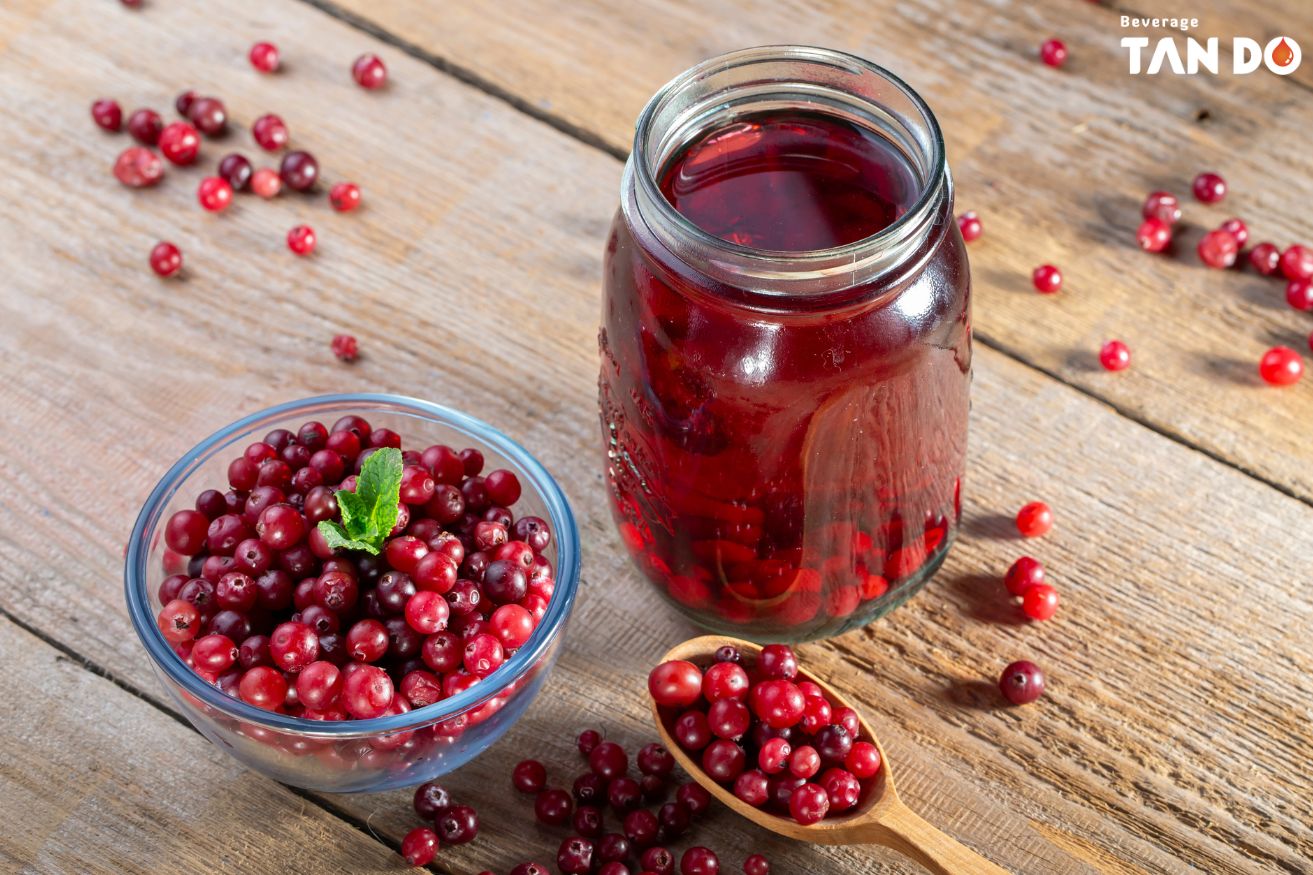
Cranberry juice is best known for its role in supporting urinary tract health. Scientific findings vary. However, recent reviews suggest that regular cranberry juice consumption may help reduce the risk of urinary tract infections. This makes it a popular choice for preventative wellness routines.
In addition to this benefit, cranberry juice is rich in a diverse range of antioxidants, including anthocyanins, flavonols, and procyanidins, along with vitamins C and E. These compounds work together to help neutralize free radicals, protect cells from oxidative damage, and support overall cellular health.
Thanks to its unique antioxidant profile, cranberry juice is more than just a refreshing drink—it is a functional addition to a balanced diet focused on long-term health and disease prevention.
8. Calamansi juice
Calamansi juice, made from a small citrus fruit commonly found in Southeast Asia, is prized for its bright, tangy flavor and impressive nutritional density. Despite its small size, calamansi delivers a wide range of vitamins and minerals that support daily wellness.
Per 100 grams of fresh calamansi fruit:
- Calories: 71
- Carbohydrates: 15.9 g
- Protein: 1.8 g
- Fat: 0.8 g
- Fiber: 6.5 g
- Protein: 2 grams
- Fat: 1 gram
- Vitamin A: 6% RDI
- Vitamin C: 73% RDI
- Calcium: 6% RDI
- Manganese: 7% RDI
- Riboflavin: 0.09 mg (8% DV)
- Choline: 8.4 mg (2% DV)
- Iron: 0.87 mg (7% DV)

Calamansi juice is high in vitamin C content, which plays a vital role in supporting immune defenses and protecting the body against oxidative stress. Vitamin C also contributes to collagen production, making calamansi juice beneficial for skin integrity and tissue repair.
Beyond vitamin C, calamansi contains a variety of plant-based antioxidants and naturally occurring antibacterial compounds. These bioactive substances help support the body’s natural immune response, promote white blood cell activity, and assist in neutralizing harmful free radicals.
Potential downsides
Even the healthiest fruit juices have limitations. While fruit juice provides valuable vitamins, minerals, and antioxidants, it also comes with certain limitations that are important to understand when including it in a healthy diet.
Low fiber content
Compared to whole fruits, fruit juice contains very little fiber. During the juicing process, the liquid is extracted while most of the pulp and fibrous components are removed. Fiber plays a critical role in regulating blood sugar by slowing the absorption of sugar into the bloodstream. Without sufficient fiber, sugars from juice are absorbed more rapidly, which may lead to quick spikes in blood glucose and insulin levels.
Naturally high in sugar
Both whole fruits and fruit juices contain sugar, but the form in which that sugar appears makes a difference. In whole fruits, sugars are naturally embedded within the fruit’s cellular structure, which slows digestion and absorption. In fruit juice, however, sugars are present in a more readily available form and are absorbed more quickly.
Diets that are consistently high in free sugars—particularly from sweetened beverages—have been linked to a higher risk of conditions such as heart disease, type 2 diabetes, and obesity. That said, it’s important to note that fruit juice typically contributes only a small percentage of total sugar intake compared to sodas, energy drinks, and other sugar-sweetened beverages.
How to Consume Fruit Juice Wisely?
To maximize benefits while minimizing drawbacks, whole fruits and vegetables should remain the primary source of daily nutrients due to their high fiber content. Fruit juice is best enjoyed in controlled portions—generally no more than 1–2 cups (240–480 ml) per day. When choosing juice, opt for 100% real fruit juice or low sugar options.
Sum Up
So we’ve covered everything you need to know about the top healthiest fruit juices and how each option fits into a balanced lifestyle. Rather than focusing on a single “best” juice, the key lies in understanding nutritional differences, ingredient quality, and portion control.
When chosen thoughtfully and consumed in moderation, fruit juice can complement whole foods, add variety to your diet, and support daily wellness goals without compromising long-term health.