Sugarcane juice drinks are the sought-after traditional beverages in Vietnam and many tropical countries around the world. From humble street stalls squeezing fresh cane on busy sidewalks to modern bottled beverages sold in supermarkets, sugarcane juice has evolved from a local refreshment into a globally recognized natural drink.
In this blog, we’ll explore what sugarcane juice is, how it’s made, its nutritional profile, key health benefits, and important considerations you should know before making it part of your daily routine.
What Is Sugarcane Juice?
Sugarcane juice drinks are naturally sweet beverages enjoyed for generations across India, Africa, and many parts of Asia. Popular in tropical regions, it is widely valued for its refreshing taste and quick energy boost, especially in hot climates.

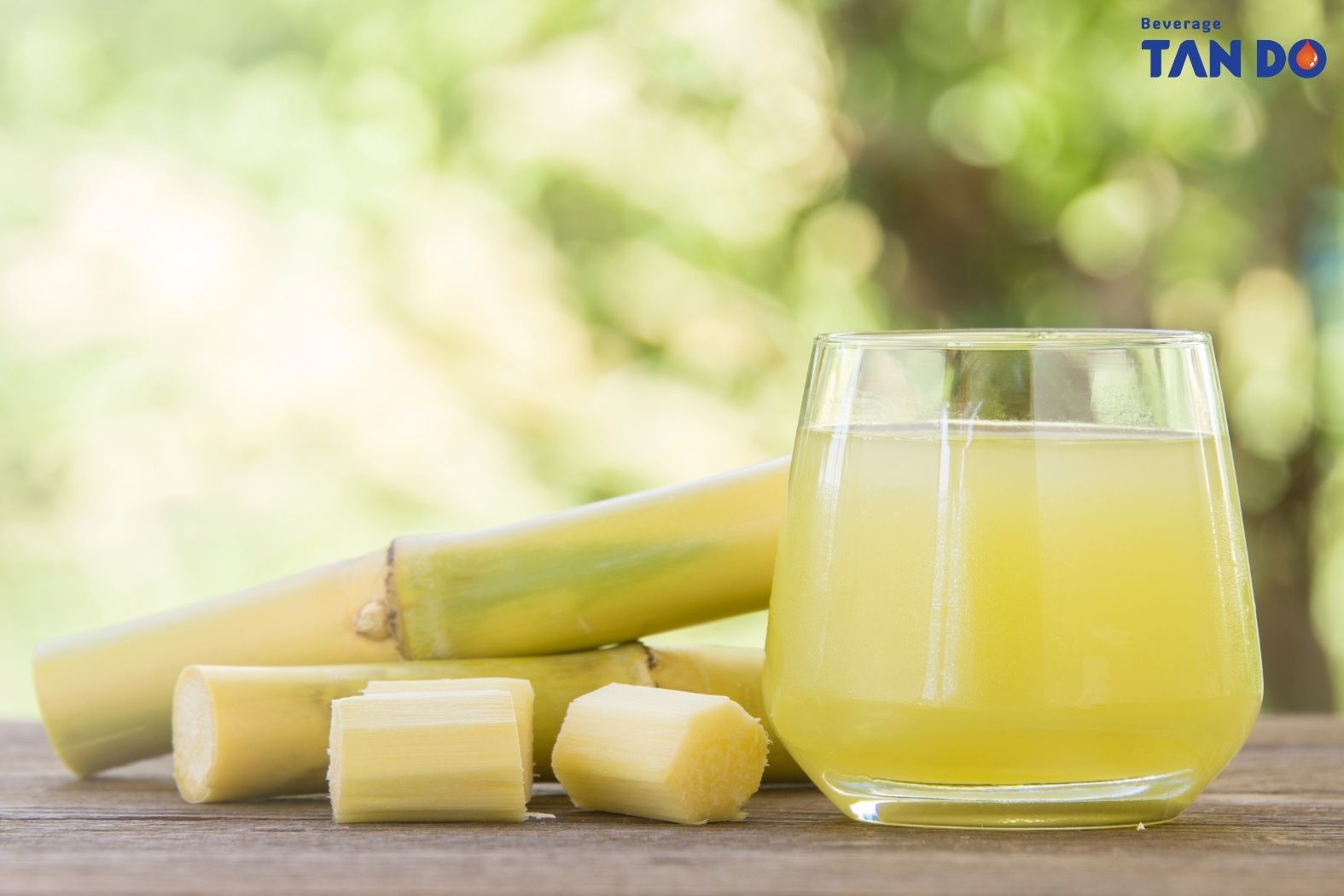
Made by extracting liquid from freshly peeled sugarcane stalks, sugarcane juice has a smooth, slightly thick texture and a clean, grassy sweetness. The juice is typically pressed using either traditional hand-operated mills or modern mechanical extractors, ensuring the liquid is as fresh as possible at the time of consumption.
How Sugarcane Juice Is Used in Beverages
Beyond being consumed as a standalone drink, juice from sugar cane plays an important role in the global sugar and beverage industries. It serves as the base ingredient for a wide range of products, including:
- Brown sugar
- Jaggery
- Molasses
- Rum
- Ethanol
- Biofuels
From a production perspective, pure sugarcane juice represents an early stage in the sugar-making process. After harvesting, sugarcane stalks are crushed to extract the juice, which is then filtered and allowed to cool. Before crystallization or refining takes place, the liquid maintains its syrup-like consistency and is considered sugarcane juice.
In beverage applications, sugarcane juice is commonly used as the primary base, blended with water and enhanced with natural flavorings such as ginger, lime, or citrus. The result is a refreshing, naturally sweet beverage that combines simplicity, tradition, and widespread appeal.

Sugarcane Juice Nutrition Facts
Sugarcane beverages provide several nutrients and minerals such as calcium, magnesium, potassium, iron, vitamins A, C, and B-complex. Typically, the nutrition per 1 cup (248g) contains:
- Water: 198 g
- Calories: 184 kcal
- Protein: 0 g
- Fat: 0 g
- Carbohydrates: 50 g
- Sugars: 50 g

Top 8 Health Benefits of Sugarcane Juice Drinks
Below are key health benefits supported by nutritional science and reputable health sources:
1. Rich in Essential Nutrients & Antioxidants
Sugarcane juice contains a range of vitamins and minerals that are important for overall health. These micronutrients play roles in metabolism, immunity, and cellular protection:
- Calcium, magnesium, potassium, and iron: Important for bone health, muscle function, and oxygen transport in the blood.
- Vitamins A, C, and B-complex: Support immune function, antioxidant defense, and energy metabolism
- Antioxidants such as flavonoids and phenolic compounds: These help neutralize free radicals, potentially protecting cells from oxidative stress.
Scientific study has measured antioxidant capacity in sugarcane extracts, showing that these compounds can scavenge free radicals and inhibit oxidative damage in laboratory models—a key mechanism in slowing cellular aging and maintaining health.
2. Supports Hydration & Electrolyte Balance
Sugarcane juice drinks are largely made up of water and naturally occurring electrolytes, which helps explain its popularity as a refreshing drink in hot and tropical climates. One of its key minerals, potassium, is essential for maintaining fluid balance, supporting nerve signaling, and ensuring proper muscle function.
When consumed fresh and in reasonable amounts, sugarcane juice may help replenish fluids and electrolytes lost through sweating, especially after physical activity or prolonged exposure to heat.
3. May Support Digestion
Traditionally, sugarcane juice has been associated with digestive comfort, and modern nutritional explanations offer some insight into this perception. Its potassium content may help balance stomach acidity, which can contribute to smoother digestion.
Some people consume sugarcane beverages to ease mild digestive discomfort or support regular bowel movement. However, it is important to note that sugarcane juice contains very little dietary fiber and should not replace fiber-rich foods such as fruits, vegetables, or whole grains.
4. Liver Support and Detoxification
Sugarcane juice is often linked to liver health in traditional dietary practices, particularly in parts of Asia where it is consumed during recovery periods. Scientifically, this interest centers on the antioxidant compounds found in sugarcane.
Research published in the journal Nutrients has shown that polyphenol extracts derived from sugarcane molasses can reduce oxidative stress and inflammation in liver tissue in animal models. Although these findings do not directly reflect the effects of drinking cane juice in humans, they help explain the potential liver-supporting mechanisms associated with sugarcane-derived compounds.
5. Immune System Support
Sugarcane juice contains vitamin C along with antioxidant compounds that are relevant to immune health. Vitamin C supports the normal function of immune cells, while antioxidants help protect the body from oxidative stress that can weaken immune responses.
When consumed occasionally as part of a balanced diet, fresh sugarcane juice may contribute to overall wellness and immune resilience, rather than acting as a targeted immune-boosting solution.
6. Bone and Teeth Health
Although direct clinical studies are limited, the minerals naturally present in sugarcane juice—such as calcium, magnesium, and phosphorus—are well-established contributors to bone mineral density and dental health.
These minerals are essential for maintaining skeletal structure and tooth strength throughout life, suggesting that sugarcane juice can complement broader dietary patterns that support bone and oral health.
7. Skin Health and Anti-aging Potential
Many people often wonder “Does sugarcane juice improve skin?”. The answer is Yes!
Research on plant-based polyphenols, including those found in sugarcane, indicates that antioxidant compounds can help reduce oxidative stress at the cellular level—a major factor in premature skin aging.
While human studies specifically focused on cane juice and skin health are limited, phenolic acids such as ferulic acid and caffeic acid have demonstrated protective effects on skin cells in other food and plant models. These compounds are known to support collagen stability and reduce damage caused by environmental stressors.
8. Diuretic Properties and Kidney Function
Thanks to its high water content and mineral composition, sugar cane drinks may have a mild diuretic effect, supporting normal urine production and fluid balance. These factors are important for maintaining healthy kidney function.
Although clinical trials directly examining sugarcane juice and kidney health are scarce, hydration and electrolyte balance are widely recognized in human physiology as key contributors to renal health. In addition, emerging research on sugarcane-derived polyphenols suggests broader metabolic activity that may indirectly interact with kidney-related pathways.

Is Sugarcane Juice Bad for You?
Sugarcane juice is a naturally sweet drink thanks to its naturally occurring sugars, which also give it a quick and refreshing energy boost. A typical 248-gram serving contains around 50 grams of sugar, so it’s best enjoyed occasionally and in reasonable portions.
While sugarcane juice does provide some minerals and antioxidant compounds, it contains very little dietary fiber. For everyday digestive and metabolic support, fiber is better obtained from whole fruits, vegetables, and other fiber-rich foods. Sugarcane juice drinks work best as a refreshing treat or seasonal beverage, rather than a primary source of nutrition.
Who Should Avoid Sugarcane Juice?
While sugar cane juice can be enjoyed as a refreshing treat, it may not be suitable for everyone:
- People with diabetes or insulin resistance, as the high natural sugar content may cause rapid spikes in blood sugar levels
- Individuals following low-sugar or low-carbohydrate diets, since sugarcane juice is high in sugars and low in fiber
- Those focused on weight management or calorie control, as frequent consumption may add excess calories
- Anyone advised by a healthcare professional to limit sugary beverages as part of a specific health plan
How to Enjoy Sugarcane Juice Safely
If you choose to drink sugarcane juice:
- Check nutrition labels on packaged products to avoid added sugars
- Keep portion sizes moderate, as sugarcane juice is naturally high in sugar
- Choose sugarcane fresh juice from high-reputation manufacturer ( without extra sweeteners or syrups)
- Enjoy it occasionally rather than as a daily drink
- Pair it with meals to help reduce rapid blood sugar spikes
- Make sure the juice is freshly prepared and handled hygienically
- In general, moderation is the best way to enjoy sugarcane juice safely.
So, moderation is the key to enjoying its benefits without unnecessary health risks.
Frequently Asked Questions
Here are some frequently asked questions about sugar cane juice:
1. Is it safe to drink sugarcane juice daily?
Yes, drinking cane juice daily can be a healthy choice due to its rich nutrient content, including antioxidants and vitamins. However, moderation is key as excessive consumption may lead to an increase in sugar intake.
2. What is the right time to drink sugarcane juice?
Sugarcane juice is commonly enjoyed in the morning or mid-morning, when the body can better utilize its natural sugars for energy. Drinking it earlier in the day may help provide a quick energy boost without feeling too heavy on the digestive system. It’s generally best to avoid drinking it late at night.
3. Is sugarcane juice a detox drink?
Sugarcane juice is often referred to as a “detox” drink in traditional diets because it supports hydration and contains antioxidants that may help the liver and kidneys perform their natural detox functions. However, it does not detox the body on its own. Since sugarcane juice is naturally high in sugar, it’s best enjoyed in moderation as part of a balanced diet rather than used as a dedicated detox beverage.
4. Is sugarcane juice good for sleep?
Sugarcane juice is not typically recommended as a sleep-supporting drink. Its natural sugar content may increase energy levels rather than promote relaxation, especially if consumed close to bedtime. For better sleep quality, it’s generally advisable to choose low-sugar, calming beverages in the evening.
Final Thoughts
Sugarcane juice drinks are unique, refreshing, and culturally rich beverage with natural sweetness and traditional appeal. It provides hydration, energy, and certain micronutrients, making it a popular choice in tropical regions.
However, its high sugar content means it should be enjoyed mindfully and in moderation. While it can be part of a balanced lifestyle for healthy individuals, it is not suitable for everyone—especially those managing blood sugar conditions.
When consumed responsibly, sugarcane juice remains a refreshing reminder that nature’s sweetness can be enjoyed wisely
You may also like:
Vietnam Juice Cane: A Profitable Opportunity for Drink Brands