Coconut Water Nutrition Facts and Health Benefits
Coconut water nutrition facts explain why this natural drink has become a global favorite for hydration, wellness, and clean-label beverages. Naturally low in calories and rich in essential electrolytes, coconut water offers a refreshing alternative to sugary drinks and artificial sports beverages.
In this guide, you’ll find:
-
A clear breakdown of coconut water nutrition facts
-
Evidence-based health benefits
-
A comparison with other popular hydrating drinks
-
Practical tips for consumers and beverage brands
Quick Coconut Water Nutrition Facts (Per 240 ml / 8 fl oz)
| Nutrient | Amount |
|---|---|
| Calories | 45–60 kcal |
| Carbohydrates | 9–12 g |
| Sugars | 6–8 g |
| Fat | 0 g |
| Protein | <1 g |
| Potassium | ~470–520 mg |
| Sodium | 40–60 mg |
| Magnesium | 15–25 mg |
| Calcium | 20–45 mg |
| Vitamin C | 2–5 mg |
👉 These coconut water nutrition facts may vary slightly depending on coconut maturity and processing methods.
In this guide, we’ll break down the coconut water nutrition info, explore the key health benefits, and show how brands can leverage coconut water’s natural advantages to create innovative and in-demand beverages.
What is Coconut Water?
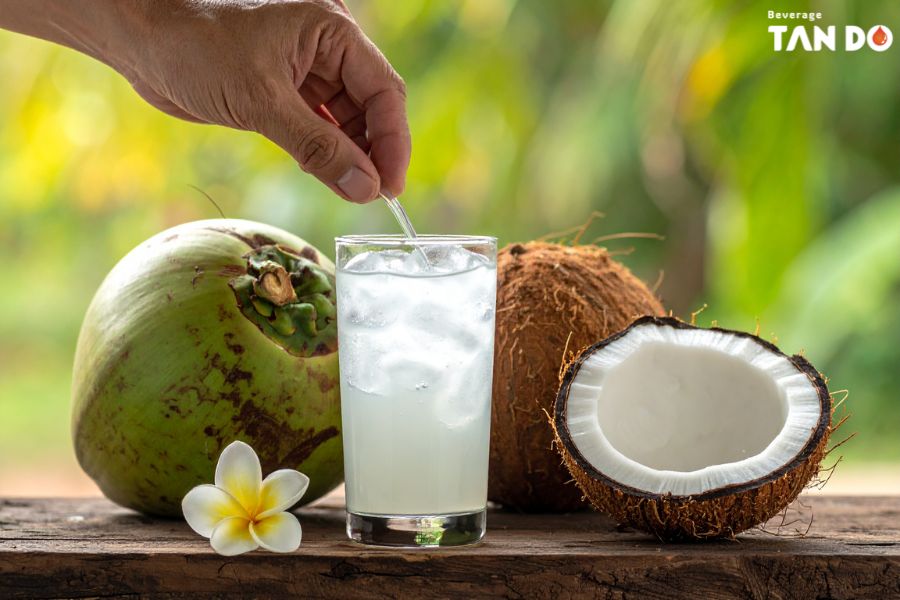
Coconut water is the clear liquid found inside young green coconuts (Cocos nucifera). Unlike coconut milk, which is made from coconut flesh, coconut water is naturally liquid and ready to drink.
Thanks to its light taste, natural electrolytes, and low calorie content, coconut water is widely consumed for:
-
Daily hydration
-
Post-workout recovery
-
Functional and clean-label beverages
Is Coconut Water Good for You?
Yes. Based on coconut water nutrition facts, this beverage provides hydration plus essential minerals without excessive sugar or artificial additives.
Electrolytes such as potassium, sodium, calcium, and magnesium help:
-
Maintain fluid balance
-
Support muscle and nerve function
-
Regulate blood pressure

This is why coconut water nutrition labels are increasingly highlighted on health-focused beverages worldwide.
Health Benefits of Coconut Water
Here are top benefits of drinking coconut water based on its nutritional info:
1. Supports Muscle Function and Recovery
Coconut water is especially rich in potassium. A single 240 ml serving provides around 15% of the daily recommended intake, helping reduce muscle cramps and support proper muscle contraction after exercise.
Compared to many sports drinks, coconut water delivers similar hydration with significantly less sugar.
2. Natural Hydration with Fewer Calories
Coconut water contains roughly 45–60 calories per cup, making it a low-calorie hydration option. Studies show it hydrates the body as effectively as conventional sports drinks, without added colors or artificial sweeteners.
3. Contributes to Bone Health
Although not a primary calcium source, coconut water still contributes small amounts of calcium and magnesium, supporting long-term bone density when combined with a balanced diet.
4. May Support Digestive Regularity
Coconut water contains potassium and natural bioactive compounds that may help promote healthy digestion. Moderate intake can support regular bowel movements, while excessive consumption may cause mild laxative effects.
5. Provides Magnesium for Metabolic Health
Magnesium plays a role in:
-
Energy production
-
Blood pressure regulation
-
Muscle and nerve signaling
Coconut water offers a gentle, food-based source of magnesium that is generally safe for regular consumption.
6. May Help Support Blood Sugar Control
Emerging research suggests coconut water may support healthier blood sugar levels when consumed in moderation. However, since it naturally contains carbohydrates, individuals with diabetes should monitor portions and choose unsweetened varieties.

Coconut Water vs. Other Hydrating Drinks
Coconut water is praised for its clean hydration—but is it really better than sports drinks or fruit juices? Let’s compare them side by side:
| Beverage Type | Calories (per 100 ml) | Sugar Content | Electrolytes | Notes / Benefits |
| Coconut Water | 19–25 kcal | Low (unsweetened) | High | Natural hydration and electrolytes, low in calories |
| Plain Water | 0 kcal | 0 | None | Pure hydration, no calories or additives |
| Sports Drinks | 28–50 kcal | Moderate to High | High | Supplies electrolytes and quick energy, often high in sugar and calories |
| Fruit Juice | 40–50 kcal | High | Low | Rich in vitamins, higher in sugar and calories |
| Soda / Soft Drinks | 55+ kcal | Very High | None | Sweetened beverage providing energy and hydration |
How to Use Coconut Water Daily
There’s no strict rule for how much coconut water you should drink. Many people enjoy 1–2 cups per day, while others reach for it only after exercise as a natural alternative to traditional sports drinks.
Here are some simple ways to incorporate coconut water into your daily routine:
- Blend it into smoothies with your favorite fruits for a refreshing, hydrating boost.
- Add a splash of pineapple juice to chilled coconut water for a tropical twist.
- Mix a coconut water lemonade for a light, low-calorie beverage.
- Use it as a milk or cream substitute in curries, soups, or sauces to add subtle flavor and hydration.
Coconut water is versatile, naturally hydrating, and easy to include in both drinks and recipes, making it a perfect option for health-conscious consumers and innovative beverage products.

Safety and Considerations
For most people, coconut water is safe and refreshing when consumed in reasonable amounts. Its high potassium content provides benefits like supporting healthy blood pressure, but excessive intake can pose risks for certain individuals:
- People with chronic kidney disease (CKD) need to be especially cautious, as their kidneys may struggle to remove excess potassium.
- In rare cases, very high consumption of coconut water has been linked to hyperkalemia, a potentially dangerous rise in blood potassium levels.
- For anyone on blood pressure medication, it’s wise to check with a healthcare provider before increasing coconut water intake, since its natural potassium may enhance the effects of these medications.
The takeaway: Coconut water is a healthy and hydrating beverage, but like all good things, it should be enjoyed in moderation. Checking coconut water nutrition facts can help you understand its calorie, sugar, and electrolyte content to better fit it into your daily routine.

FAQs about Coconut Water
1. Can you drink coconut water everyday?
Yes, 1–2 servings per day is generally safe for healthy individuals.
2. Is coconut water suitable for diabetics?
Unsweetened coconut water may be suitable in moderation. Portion control is key.
3. Can you drink coconut water on an empty stomach?
Yes, you can, but there’s no proven advantage to drinking it first thing in the morning. It won’t accelerate weight loss or boost immunity beyond what it normally offers. The best approach is to enjoy it when it fits naturally into your daily routine.
4. Is coconut water fattening?
No. Plain coconut water is naturally low in calories compared to juices and sodas.
Bring Your Brand to Life with Tan Do Coconut Water
Coconut water nutrition facts highlight why this ingredient is ideal for modern beverage innovation. With growing demand for clean-label, functional drinks, coconut water offers a versatile base for consumer-loved products.

For beverage companies ready to innovate, partner with Tan Do Beverage to transform coconut water into premium, market-ready products. From refreshing flavored drinks to functional, fortified options, Tan Do delivers consistent quality and scalability. Discover our coconut water today and give your brand the natural, health-forward edge that consumers can’t resist!