Choosing Your Beverage Factory: OEM/ODM Checklist for Global Brand Scale

    A beverage factory is more than a production site — it’s where great drink ideas become global brands. As the beverage landscape grows more competitive, distributors, wholesalers, and retailers are racing to build private label and OEM/ODM lines that stand out on crowded shelves. 

    In this essential guide, we’ll break down why choosing the right beverage manufacturer can make or break your brand’s growth — what to look for in an OEM/ODM partner, and how Tan Do helps B2B clients worldwide turn concepts into market-ready bestsellers!

    The Growing Demand for Private Label and OEM/ODM Beverages

    The beverage market has never been this competitive. Across global shelves, private-label and contract-manufactured drinks are gaining serious traction.

    According to McKinsey & Company, nearly 75% of U.S. shoppers and 85% of Europeans have “traded down” to more affordable options — and private labels drive about a quarter of that shift. Consumers now see these products as high-quality alternatives, not compromises.

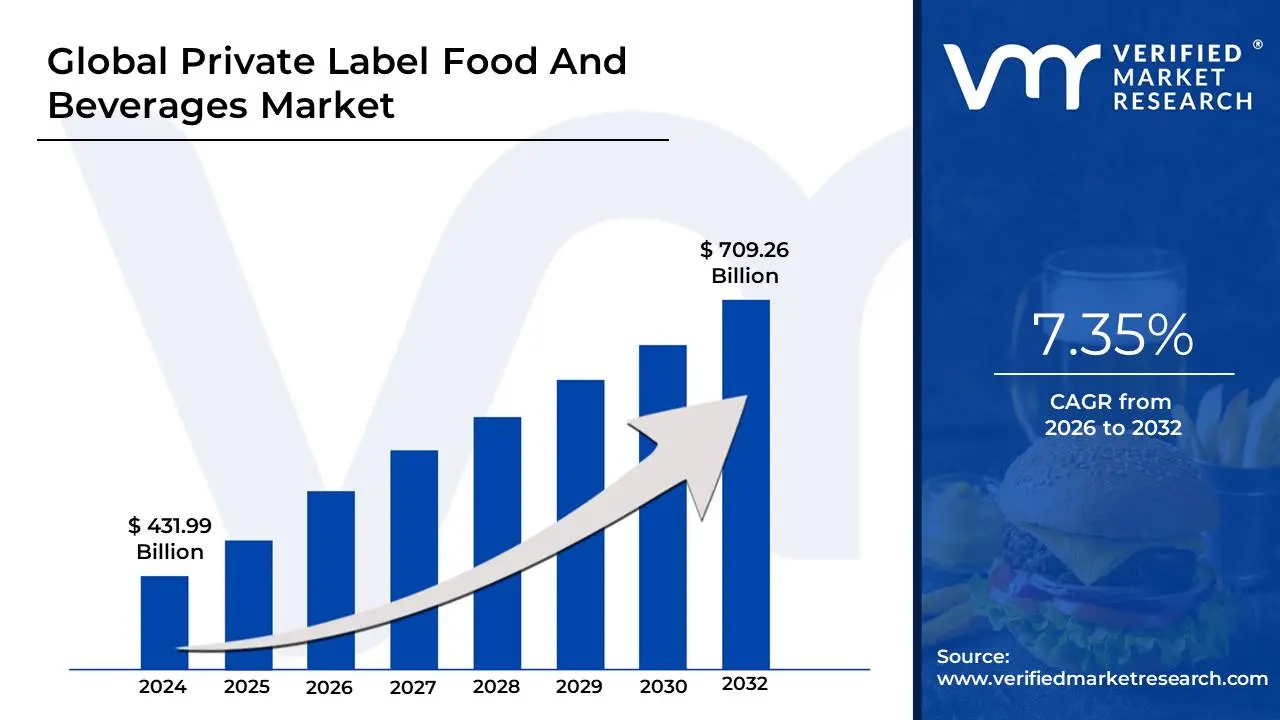
    Meanwhile, the global private label food and beverage market is valued at US $431.99 billion in 2024 and projected to reach US $709.26 billion by 2032, growing at a robust 7.35% CAGR, according to Verified Market Research.

    The Growing Demand for Private Label and OEM ODM Beverages
    Global Private Label Food & Beverages Market Size and Forecast – Verified Market Research

    For distributors and retailers, this opens huge opportunities. Launching your own beverage brand through an OEM/ODM partner helps you differentiate, protect margins, and react quickly to rising trends like plant-based, tropical, or functional wellness drinks.

    Working with a capable beverage factory also means no need to build your own facility, letting you focus on marketing, distribution, and brand growth — while your production partner ensures quality and export readiness.

    Behind Every Winning Brand: Strategic Value of the Right Beverage Factory

    When you partner with a beverage manufacturing facility, you’re not just placing an order — you’re building a supply-chain relationship. Here’s how that choice influences your brand’s success:

    Quality & Consumer Trust

    Every bottle that leaves the line carries your brand’s reputation. If taste, texture, or packaging quality changes from batch to batch, consumers notice — and trust can slip fast. A reliable beverage factory keeps quality consistent through strict controls, full traceability, and standardized production — crucial when your drinks are sold across multiple markets.

    Time-to-Market & Agility

    Speed matters. In today’s fast-moving beverage landscape, being first with a new flavor or concept can set you apart. Factories with pilot lines, flexible packaging options, and efficient testing processes help you move from idea to launch quickly — so you can capture trends instead of chasing them.

    Scalability & Cost Efficiency

    When demand grows, your beverage manufacturing company should grow with you. A partner that lacks capacity can hold your brand back, while one with modern equipment and economies of scale keeps unit costs low. That efficiency gives you more room for marketing, promotions, or competitive pricing — without cutting corners on quality.

    Export Readiness & Compliance

    Expanding internationally means dealing with different regulations, from labeling to safety certifications. A beverage manufacturer experienced in export compliance — covering the U.S., EU, Middle East, and ASEAN — can simplify documentation, reduce delays, and keep your shipments moving smoothly.

    Brand Reputation & Risk Management

    Your drink manufacturing partner affects your reputational risk. A product recall, import rejection or supply-chain disruption can damage relationships with retailers/distributors and erode trust. The right beverage factory acts proactively on risk management, ensuring raw-material traceability, contingency planning and compliance with international standards.

    Behind Every Winning Brand Strategic Value of the Right Beverage Factory

    Common Pitfalls When Choosing the Wrong Partner

    Here are some frequent issues companies face when a drink manufacturer under-delivers:

    • Inconsistent product quality: batches differ in taste or texture, leading to consumer complaints and returns.
    • Production delays: lack of capacity, ingredient shortages or poor scheduling result in missed launch windows.
    • Import rejections: incomplete documentation, foreign standards non-conformity (e.g., labelling, allergens, Kosher/Halal) cause customs holds.
    • Hidden cost surprises: raw-material inflation, packaging changes or minimum-order-quantity (MOQ) increases can erode margin.
    • Lack of innovation support: factories act purely as filler rather than beverage development partners — you miss trend opportunities (e.g., low-sugar, plant-based, functional).
    • Poor communication: transparency disappears, updates slow, decisions unclear — increasing risk of misunderstandings, mistakes.
    • Limited flexibility for private label changes: change of packaging, adaptation to retailer’s specs, SKU customization becomes difficult or costly.

    These challenges often stem from choosing a beverage manufacturer with insufficient capacity, outdated systems, or little export/brand-partner experience.

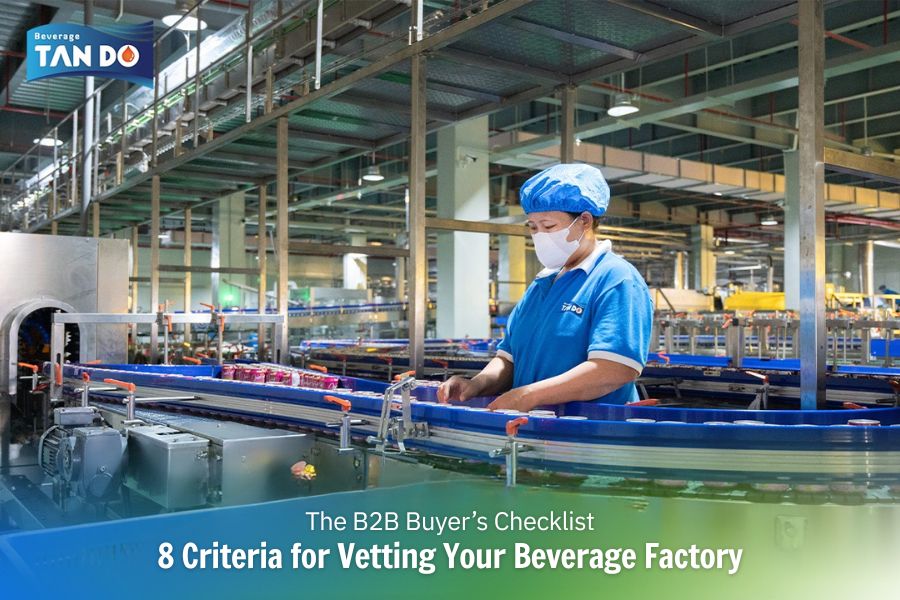
    The B2B Buyer’s Checklist: 8 Criteria for Vetting Your Beverage Factory

    Here is a practical checklist tailored for you as a distributor, wholesaler or retailer. Use this when vetting potential manufacturing partners:

    Experience and Beverage Category Fit

    • Does the beverage factory have a proven track-record in your chosen category (juice, coconut water, ready-to-drink tea/coffee, energy drinks, functional beverages)?
    • Can they share case studies or customer references in your market region?
    • Look for diversity: multiple SKUs, multiple packaging formats, multiple export markets.

    Certifications & Food Safety Systems

    • Do they hold specified certification or any international standards?
    • Are their production sites audited by third-parties with recent reports?
    • Are they compliant with export market standards (Halal, Kosher, organic as applicable)?

    Export & Regulatory Capability

    • Can they help with export documentation (CO, CI, sanitary/phytosanitary, FDA registration if U.S.)?
    • Do they have experience shipments to your target markets (and proof)?
    • Are they familiar with labelling, allergens, shelf-life stability for those markets?

    R&D and Product Development Support

    • Do they offer in-house formulation, prototyping, pilot runs?
    • Are they proactive in trend-insights (e.g., reduced sugar, botanical infusions, sustainable packaging)?
    • Can they customize flavors, packaging and adapt quickly?

    Packaging & Line Flexibility

    • What packaging formats can they handle (PET, glass, can, pouches)?
    • Can they handle multiple SKUs, variant runs, private label beverages (custom labels, shrink sleeves)?
    • Do they provide artwork support or help with design?
    • Are there options for low-MOQ runs or scalable expansion?

    Supply Chain Transparency & Raw Material Sourcing

    • Where do they source their ingredients? Are they traceable and certified?
    • Do they have long-term supplier relationships to ensure stability of price and supply?
    • How do they handle seasonal variations or supply disruptions?

    Production Capacity & Lead Time

    • What is their production capacity (bottles per hour, containers per month)?
    • Do they have warehouse/storage space and cold-chain logistics if needed?
    • What are their typical lead times — for pilot run, full production, exports?
    • Are they transparent about ramp-up timelines?

    Communication and Service Transparency

    • How responsive are they during quoting and technical discussions?
    • Do they share QA records, COAs, and batch release data?
    • What is their pilot-sample process?
    • How do they manage deviations or failings?

    Cost Structure and Terms

    • What are their MOQs and how flexible are they for small-volume launches?
    • Are pricing tiers clear for pilot vs full-scale runs?
    • What payment terms, credit terms or frameworks exist?
    • How are packaging and label costs handled?

    Using the checklist above helps you compare factories side-by-side and select one that aligns with your growth strategy rather than just price.

    The B2B Buyer’s Checklist 8 Criteria for Vetting Your Beverage Factory

    Smart Partnership Moves: How to Minimize Risks in Beverage Manufacturing

    Even with a great manufacturing partner, success comes from how you manage the relationship. A few smart habits can help you avoid surprises and keep your beverage business running smoothly:

    Due Diligence

    Before signing anything, take time to learn about your beverage factory. Ask for recent audit reports and certification scans, and if possible, visit the site (or request a virtual tour). 

    Seeing the production lines in action gives you confidence in their capabilities. It’s also a good idea to run a small test batch — that way, you can check taste, packaging, and shelf life before launching widely.

    Be Clear in the Contract

    Good contracts make good partnerships. Set clear quality benchmarks like flavor consistency, Brix levels (for juices), microbial limits, and shelf stability. Also define MOQs, pricing terms, packaging fees, and logistics roles from the start. Clarity here prevents confusion later and keeps both sides accountable.

    Start Small, Then Scale

    Don’t rush into full production right away. Begin with a pilot run to see how the market reacts and how well logistics flow. Use this phase to fine-tune formulas, packaging, and timelines — and only scale up once everything runs smoothly.

    Keep Communication Open

    Regular updates make a big difference. Set up weekly or biweekly check-ins, ask for production photos or QA certificates, and track shipping milestones. Review results together every quarter and use those insights to plan new flavors or bigger batches.

    Plan for Supply & Packaging Risks

    For drinks made with seasonal fruits or coconut water, plan ahead. Confirm where ingredients come from and whether there are backup suppliers in case of shortages. It also helps to agree on buffer stock or contingency plans — so your production stays steady, even if the supply chain gets bumpy.

    Smart Partnership Moves How to Minimize Risks in Beverage Manufacturing

    Tan Do: Your Trusted OEM/ODM & Private Label Beverage Partner

    Looking for a beverage factory that grows with your brand? At Tan Do Beverage, we bring together scale, consistency, and quality to help you expand confidently in global markets.

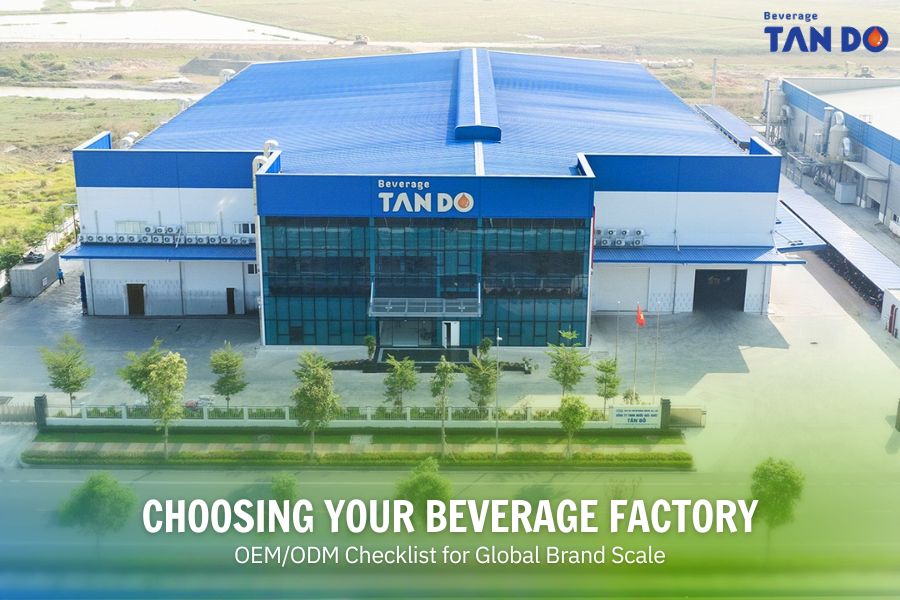
    With two modern factories (25,000 m²), six automated lines, and 300 skilled team members, we produce up to 200 million units every year, supporting 400+ global brands with trusted quality and fast, reliable delivery.

    Certified by HACCP, ISO, FSSC, BRC, Halal, and FDA, Tan Do meets the highest global standards — while keeping production efficient and cost-friendly.

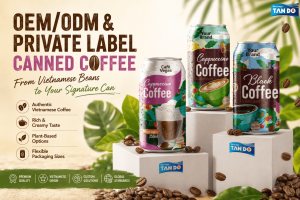
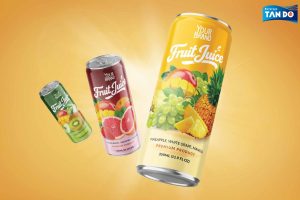
    From OEM and ODM formulation to private label customization, we take care of everything from concept to container — offering fruit juices, coconut drinks, RTD coffee and tea, and functional beverages in flexible formats like cans, PET, and glass bottles.

    Tan Do Your Trusted OEM ODM & Private Label Beverage Partner

    Learn more about our capabilities and advantages here: Tan Do Beverage Manufacturer — Key Benefits and let’s build your beverage success story together! 

      Content Protection by DMCA.com
      phuong dang

      Leave a Reply

      Your email address will not be published.

      Xác thực trượt *