What Does Taro Taste Like? A Complete Guide for Beverage Brands
Taro taste is often described as mildly sweet, creamy, and slightly nutty — somewhere between sweet potato, vanilla, and chestnut. Its smooth mouthfeel and gentle flavor make taro a favorite ingredient in milk teas, smoothies, and ready-to-drink beverages worldwide.
In this guide, you’ll learn:
-
What taro tastes like (simple, clear explanation)
-
Taro’s flavor profile and visual appeal
-
Why taro works so well in beverages
-
How brands use taro to create innovative drinks
Taro Taste at a Glance
-
Mildly sweet, not overpowering
-
Nutty and lightly earthy
-
Creamy, starchy mouthfeel
-
Subtle vanilla-like undertone
-
Naturally comforting flavor
What Is Taro? The Root Behind the Flavor
Taro (Colocasia esculenta) is a tropical root vegetable native to Southeast Asia but now cultivated across many warm, humid regions worldwide, including parts of Africa, India, and Latin America. It’s part of the Araceae family, which also includes other starchy roots like yam and cassava.
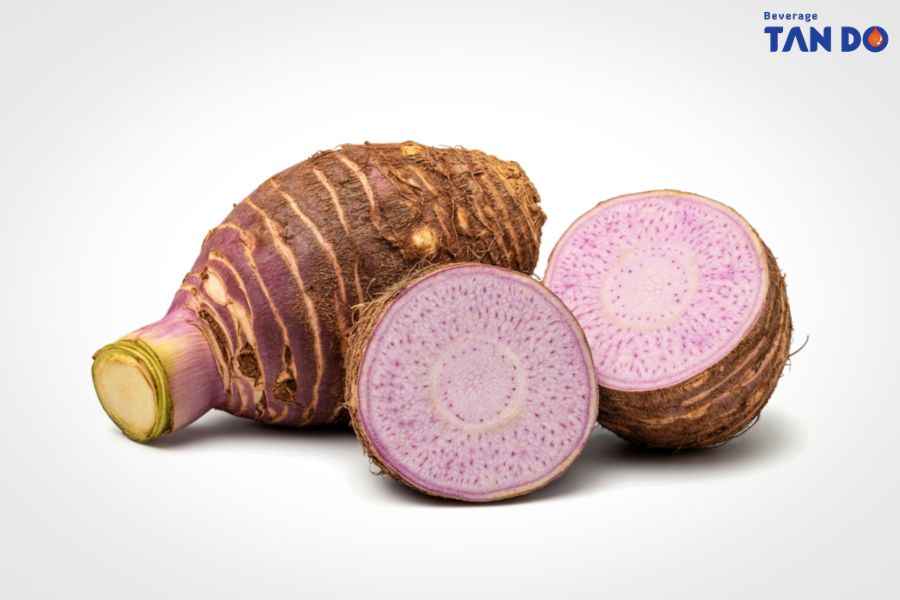
For centuries, taro has been a staple food source in Asian and Pacific diets. In recent years, it has gained global recognition thanks to its rising use in bubble tea, desserts, and health beverages.
From a manufacturing perspective, taro is a versatile raw material — easy to process into various stable forms such as frozen puree, paste, syrup, or spray-dried powder. Each form offers different benefits depending on the target market, shelf-life requirements, and product application.
So, What Does Taro Taste Like?
Taro has a gentle, creamy flavor that is easy to love and easy to blend. Unlike bold or acidic fruits, taro offers a soft taste profile that pairs beautifully with dairy and plant-based milks.
Flavor characteristics of taro:
-
Light natural sweetness
-
Nutty, chestnut-like notes
-
Smooth, creamy texture
-
Mild earthy undertone
-
Neutral base that absorbs other flavors
This balance makes taro ideal for beverages that aim to feel indulgent without being overly sweet.

Why Taro Taste Is Trending in The Beverage Industry
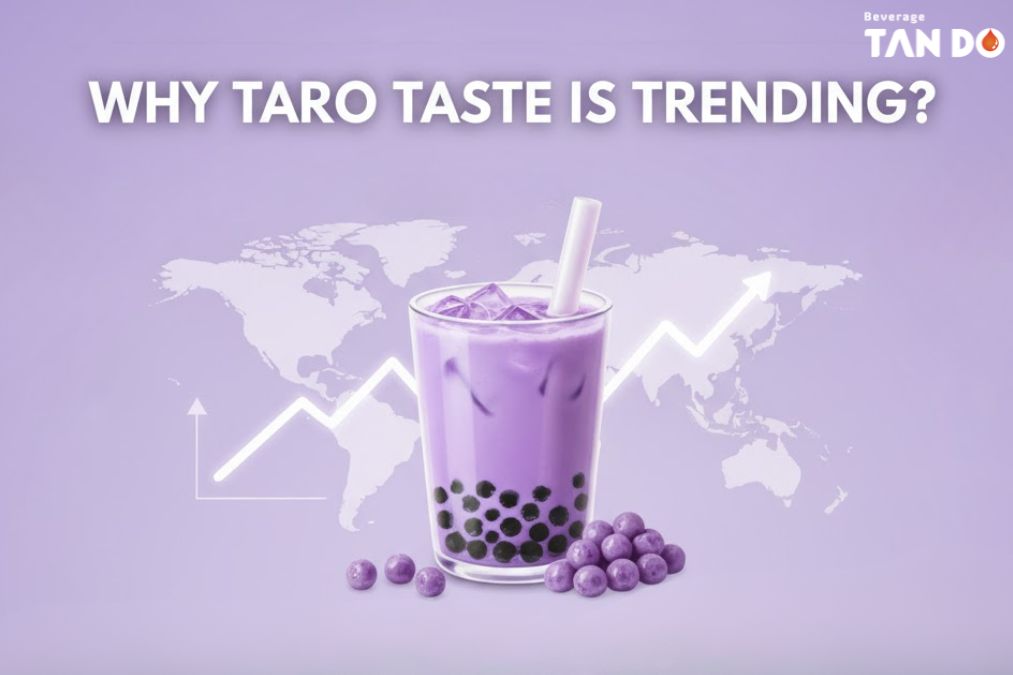
Taro taste has moved far beyond traditional use and is now a global beverage trend. Originally popularized through Asian bubble tea culture, taro drinks are now widely available in cafés and RTD formats worldwide.
Key drivers behind taro’s popularity:
-
Plant-based and naturally creamy flavor
-
Instagram-friendly purple aesthetics
-
Comfort flavor that appeals across cultures
-
Works well with reduced sugar formulations
For beverage brands, taro offers a rare combination of visual impact, flavor versatility, and consumer familiarity.
The Visual Appeal: Taro’s Signature Purple Hue
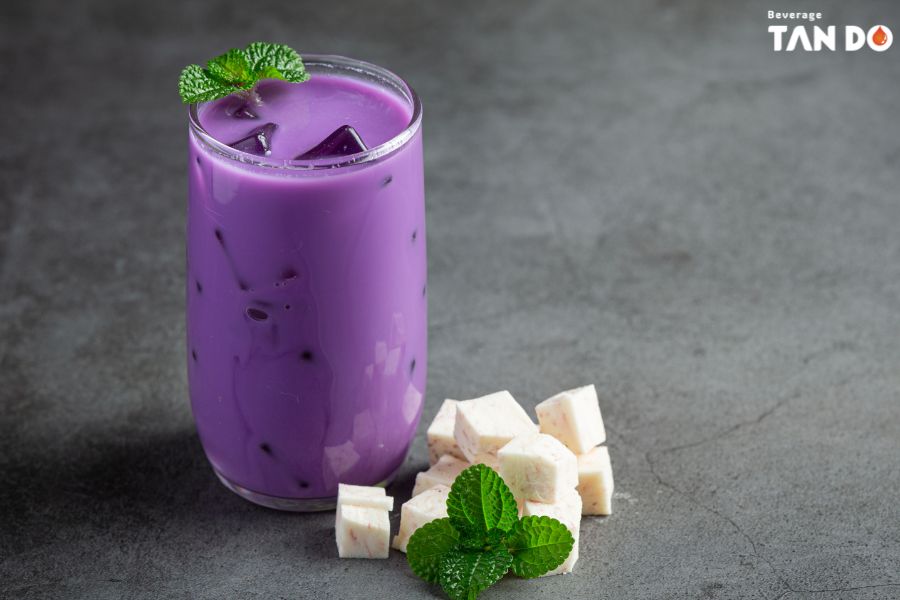
One of taro’s strongest commercial advantages is its soft purple or lilac color. While natural taro flesh ranges from off-white to pale lavender, beverage manufacturers often enhance the hue by blending taro with purple yam (ube) or natural plant-based colorants.
This pastel purple tone aligns perfectly with:
-
Social-media-driven drink culture
-
Premium café branding
-
Seasonal and limited-edition launches
Nutritional Profile: More Than Just Taste
Beyond flavor, taro provides functional nutritional value that supports clean-label positioning:
-
High in dietary fiber → digestive support
-
Contains potassium & magnesium → electrolyte balance
-
Naturally low in fat & cholesterol-free
-
Provides antioxidants → wellness appeal
This allows taro beverages to balance indulgence with health-conscious messaging.
Beverage Applications Where Taro Shines
Taro’s naturally creamy and mildly sweet taste makes it a versatile ingredient across many beverage formats. The classic taro milk tea remains a global favorite. Combining taro puree or powder with fresh milk and brewed tea, it delivers a rich, creamy experience that appeals to a broad audience.
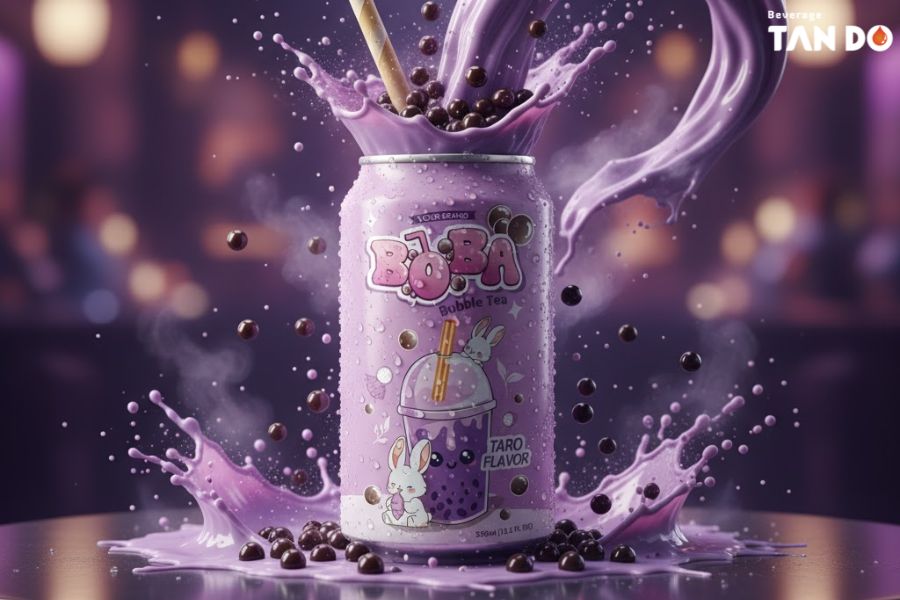
A playful twist, taro bubble milk tea, adds tapioca pearls, jelly, or popping boba for texture and fun. This style particularly resonates with Gen Z and millennial consumers who value novelty, social-media-worthy visuals, and experiential drinks. Brands can also innovate by pairing taro with flavors like brown sugar, matcha, or coffee to create seasonal or premium editions.
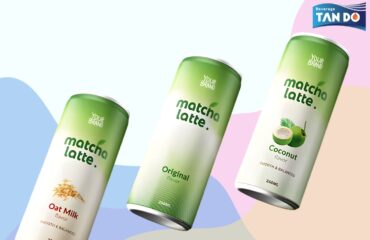
Plant-based lattes made with taro and oat, soy, or coconut milk are also an excellent choice, offering a smooth, indulgent drink with reduced sugar while aligning with clean-label and functional trends and highlighting taro’s natural flavor and color.
Taro Taste’s Global Takeover: Regions to Watch in 2025
The taro trend is truly global. Once limited to Asia, it’s now part of a rapidly expanding flavor wave across North America, Europe, and the Middle East.
Asia-Pacific: The Flavor Origin
Markets like Taiwan, Vietnam, Thailand, and Japan have long embraced taro in desserts and beverages. In these regions, the flavor represents comfort, nostalgia, and local pride. Taro-based drinks are available in both street-style bubble tea stalls and premium café chains.
North America: The “Purple Drink” Craze
In the U.S. and Canada, taro became mainstream through the bubble tea movement. Its photogenic color and soft flavor profile quickly attracted younger demographics. According to Grand View Research, the global bubble tea market exceeded USD 3.4 billion in 2023, growing at over 7% CAGR — with taro consistently ranking among the top five flavors.
Europe and the Middle East: Premium Appeal
In Western Europe, taro is positioned as an exotic, artisanal ingredient in plant-based beverages and desserts. In the Middle East, it’s increasingly used in blended drinks and chilled milk-based products. Its natural pastel hue aligns well with luxury beverage branding and café experiences.
Useful Tips for Beverage Manufacturers
If you’re planning to introduce a taro beverage line, consider the following manufacturing tips:
- Choose the right base: Taro flavor performs best in milk or coconut-based drinks.
- Balance sweetness: Its natural starch means it pairs well with light sugars or alternative sweeteners.
- Use high-quality puree or powder: This ensures consistency in flavor, color, and mouthfeel.
- Experiment with fusion: Combine taro with flavors like vanilla, brown sugar, or coffee for modern appeal.
- Leverage seasonal and limited editions: Purple drinks and desserts perform especially well in spring and summer campaigns.
Common FAQs About Taro Flavor
- What does taro milk tea taste like
Taro milk tea is smooth, creamy, mildly sweet, and slightly nutty — a comforting flavor that pairs well with milk and tea bases.
- Which taro is the best tasting
High-quality taro puree or powder with natural sweetness and minimal processing delivers the most authentic flavor for beverages.
- Does taro have caffeine
No, taro is naturally caffeine-free, making it suitable for all ages and a versatile ingredient for both functional and indulgent drinks.
Bringing It All Together!
For beverage brands, taro taste isn’t just a flavor — it’s a story ingredient that captures global curiosity and cross-cultural appeal. Whether you’re crafting a milk tea line, smoothie blend, or functional drink, taro helps your brand stand out with its natural flavor and vibrant color.
If you’re exploring taro-based beverages and want expert guidance on formulation, production, or product development, start by partnering with Tan Do Beverage — a trusted OEM/ODM private label manufacturer with decades of experience in fruit- and root-based drinks. Let’s bring your next taro-inspired product to market!