Drink trends in 2026 are no longer driven purely by flavor novelty or functional ingredients alone. Instead, one of the most dynamic shifts shaping the beverage industry centers on toppings, textures, and sensory richness that elevate drinks beyond simple refreshment.
This evolution reflects a move toward experience architecture—where visual appeal, mouthfeel, and sip-by-sip sensation influence purchase decisions and repeat consumption. As brands compete in increasingly crowded shelves, toppings are becoming a strategic tool for differentiation, premium positioning, and lifestyle relevance.
Drink Trends to Watch in 2026: From Flavor to Topping Innovation
Below, we break down the drink trends shaping 2026, from toppings and textures to the sensory details that define modern beverages:
1. Functional Toppings
In the B2B space, functional toppings are gaining traction as suppliers introduce cold foams enriched with protein or prebiotics. Instead of hiding functionality in the base liquid, brands are increasingly making wellness visible and experiential.

This shift aligns with the “better-for-you” movement, where consumers want health benefits without sacrificing indulgence. A protein- or prebiotic-enriched foam signals nourishment while still delivering the pleasure associated with creamy toppings. For brands, functional toppings offer a way to add value without reformulating the entire beverage—making them especially attractive for modular product development.
2. “Guilt-free Indulgence” Drink Trends
In 2026, RTD beverages are embracing indulgence without excess. Dessert-inspired flavors such as White Cake, Churro, and Huckleberry Cobbler are emerging as standout newcomers, bringing familiar, comforting taste cues into shelf-stable formats. For RTD brands, these flavors offer emotional appeal and premium positioning without relying on high sugar or heavy cream systems.
Texture plays a critical role in making this indulgence feel real. Rather than adding separate toppings that complicate filling, stability, and shelf life, B2B suppliers are helping brands build viscosity directly into the base liquid using soluble fibers or resistant starches. This creates a richer mouthfeel—often described as “drinkable dessert” or “drink-like-a-meal”—while maintaining clean labels and production efficiency.
For RTD manufacturers, this approach delivers indulgent satisfaction, better satiety, and functional alignment, all within formats that remain scalable, stable, and cost-effective for mass distribution.
3. Plant-Based Creams & Natural Color Innovation
In 2026, plant-based creams and natural color systems are becoming essential tools for RTD beverage innovation, driven by clean-label demand and tightening regulations on synthetic additives.
Rather than simply replacing dairy, plant-based creams are now engineered to deliver stable foam, controlled viscosity, and consistent mouthfeel in shelf-stable formats—critical for RTD coffees, teas, and functional drinks. BeverageDaily notes that consumers increasingly expect plant-based ingredients to stand on their own functional and sensory value, not just as substitutes.
At the same time, natural color innovation is accelerating as titanium dioxide faces restrictions in multiple markets. Ingredient suppliers are rolling out plant-based white solutions and vibrant botanical colors derived from sources like ube, hibiscus, butterfly pea, and sumac, allowing brands to maintain visual impact without compromising label transparency.
BevIndustry highlights that natural color systems are now designed specifically for beverage stability, light exposure, and processing resilience—key requirements for RTD applications.

Together, plant-based creams and natural colors are no longer just “nice-to-have” features. They are becoming core formulation infrastructure for RTD brands seeking to balance aesthetics, compliance, and sensory performance in 2026.
4. Aero & Effervescent Toppings
Instead of traditional foam, some manufacturers are experimenting with aero and effervescent toppings infused with ultra-light CO₂ or N₂. These toppings create micro-bubbles with a mousse-like texture that dissolves almost instantly upon sipping.
Nitro and gas-infusion techniques, which were once primarily associated with coffee and beer, are now expanding into RTD teas, energy drinks, soft drinks, and even cocktails. Nitrogen infusion creates smaller bubbles and a smoother, creamier mouthfeel compared with traditional carbonation, which helps products stand out in a crowded market while supporting clean-label positioning.
Major launches such as Nitro Pepsi have also helped mainstream nitrogen-infused textures, demonstrating that consumers respond strongly to beverages that feel lighter, creamier, and more premium than standard carbonation.
As consumers seek lighter, more refreshing sensory experiences that still feel premium, effervescent and gas-infused toppings offer a novel way to elevate RTD beverages.
5. Dairy-free Fruit Foam Toppers
Dairy-free fruit foam toppers are emerging as a key 2026 drink trend as brands seek plant-based, clean-label ways to add color, aroma, and texture without relying on dairy. Made from real fruit purées like strawberry, mango, passion fruit, or yuzu, these foams create a light, airy layer that enhances visual appeal and sensory experience while supporting vegan positioning.
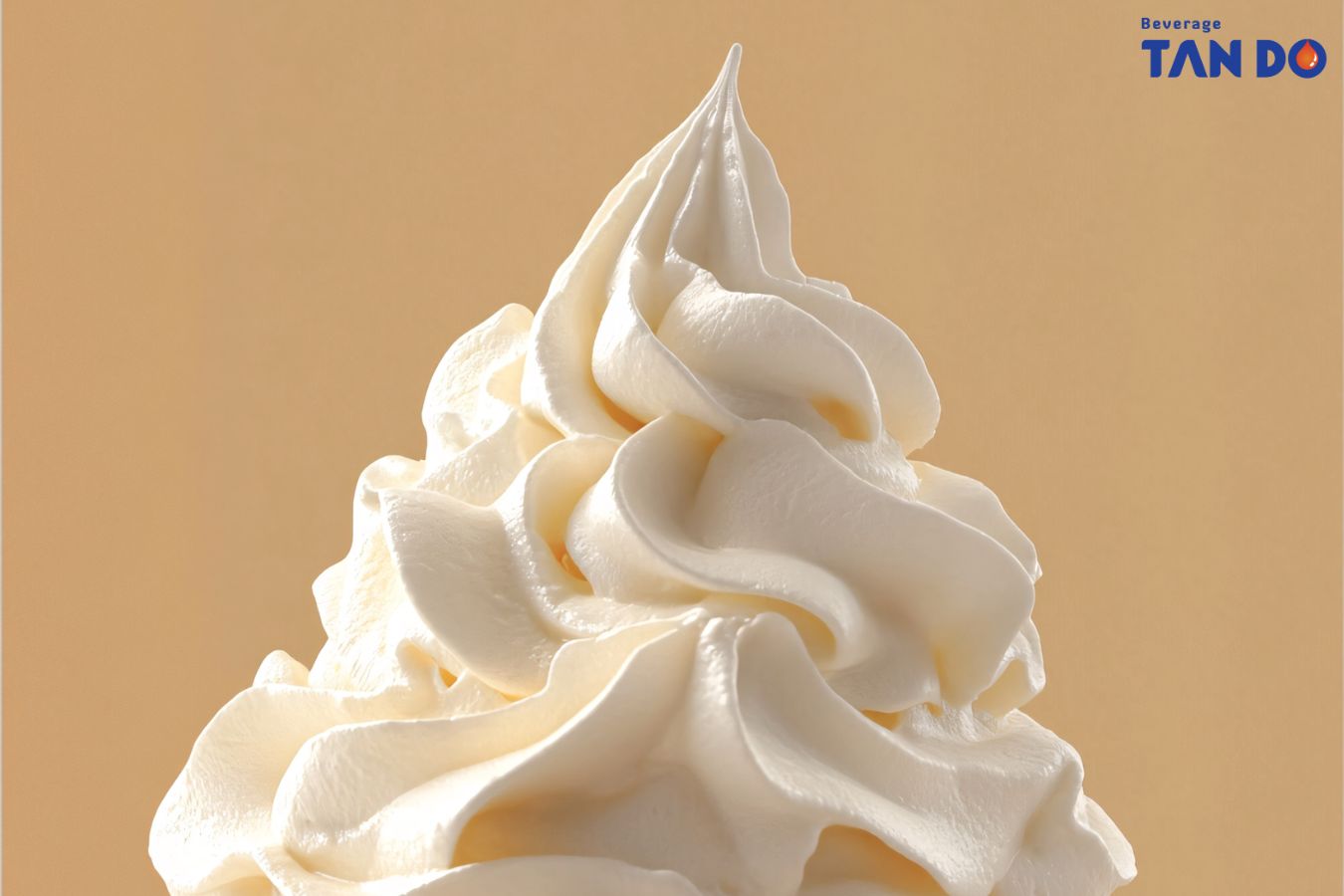
According to recent flavour and beverage trend reports, fruit-forward profiles and naturally sourced colors are among the fastest-growing segments in drink innovation, driven by demand for both Instagram-worthy aesthetics and cleaner ingredient decks.
For RTD brands, dairy-free fruit foams offer a way to elevate packaging imagery, support vegan claims, and deliver a layer of aroma and sensation without adding sugar or artificial dyes. Because these foams are typically lighter than dairy counterparts and can be stabilized for shelf life with plant proteins and gums, they are especially viable for canned and bottled formats.
6. Savory & Umami Texture Enhancers
Savory and umami texture enhancers are emerging as a niche yet one of the fastest-growing drink trends in 2026, especially in coffee, tea, and low-sugar RTD beverages. Instead of relying on sweetness, brands are experimenting with umami-driven foams and textures—such as miso-infused foam, mushroom extracts, or lightly savory botanical layers—to add depth and balance.
This approach aligns with the broader shift toward less sweet, more complex flavor profiles, as consumers develop more mature palates and seek beverages that feel culinary rather than candy-like. Umami elements also naturally soften bitterness and acidity, reducing the need for added sugar.
7. Bi-Layer and Multi-Layer Toppings
Bi-layer and multi-layer toppings are gaining momentum as brands use layered textures and flavors to turn drinks into visual and sensory experiences. Instead of a single foam, beverages now feature stacked elements—for example, a creamy base layer, a fruit gel or concentrate in the middle, and a light citrus or botanical foam on top.
This “topping architecture” allows brands to create progressive tasting moments, where mouthfeel and flavor evolve with each sip. For RTD beverages, multi-layer toppings help justify premium positioning and deliver a dessert-like experience without significantly increasing sugar or calories.
Key Takeaways for Beverage Brands in 2026
In 2026, beverage brands must look beyond flavor and ingredients to focus on how drinks are experienced. Toppings, textures, and visual layers are becoming strategic tools for differentiation, especially in RTD formats.
Brands that succeed will design beverages around real consumption moments, prioritize sensory balance over excess functionality, and build modular systems that allow innovation without sacrificing scalability or shelf stability.
To succeed in this evolving landscape, partnering with an experienced beverage manufacturer can make a meaningful difference. With nearly decades of expertise in beverage development and a global customer base, Tan Do brings both technical capability and strategic insight to the table. Beyond production, Tan Do acts as a development partner—helping brands navigate trends, optimize formulations, and lead innovation with confidence in a rapidly changing beverage market.
Dive in the benefits of partnering with Tan Do here.
Sum Up
Drink trends in 2026 make it clear that beverage innovation is no longer driven by flavor alone. Toppings, textures, and sensory design have become core tools for differentiation, premium positioning, and consumer engagement.
As drinks evolve into multi-layered experiences, brands that master foam stability, visual impact, and mouthfeel will better meet modern expectations for indulgence, wellness, and lifestyle fit. In a crowded market, sensory intelligence—not novelty—will define long-term relevance.
You may also like
Beverage Development 2026: What’s Really New in the Beverage Industry?
7 Beverage Packaging Trends Shaping Drink Markets in 2026