Private label beverages are entering a new growth phase as global consumers seek healthier, more transparent and more sustainable drink options. By 2026, private label is no longer just a cost-efficient alternative—it has become a strategic platform for innovation, speed and market adaptation.
In this blog, we’ll explore the key trends shaping private label beverages in 2026, supported by market data, industry insights and practical applications.
Why 2026 Is a Turning Point for Private Label Beverages
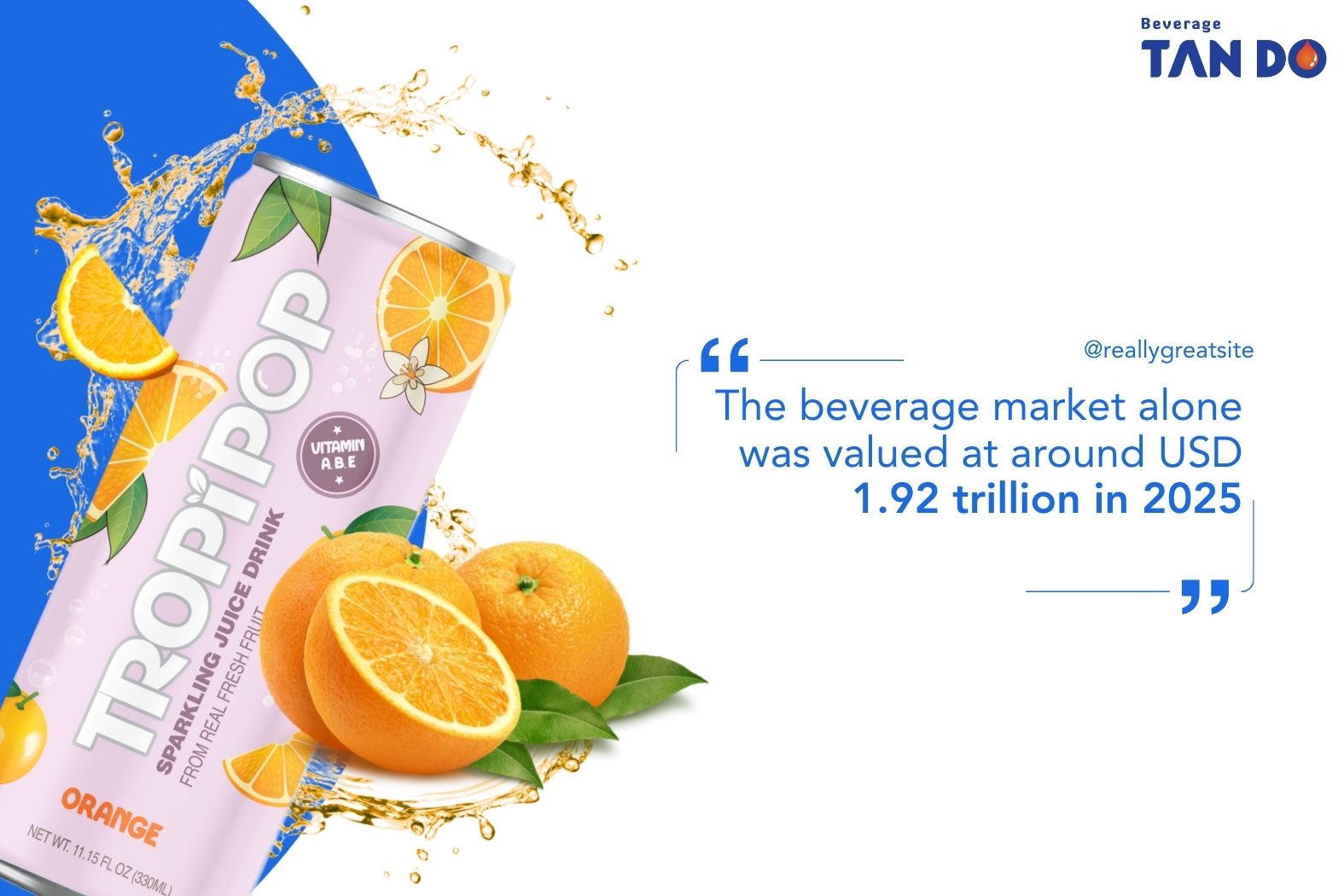
2026 is widely expected to mark a major acceleration phase for private label beverages. Global industry forecasts show that the beverage market alone was valued at around USD 1.92 trillion in 2025 and is projected to expand further in the coming years.
This shift goes far beyond marketing. It reflects a fundamental change in consumer expectations: demand for real value, transparency, health alignment and environmental responsibility.
For private label manufacturers, especially those operating under OEM/ODM models, this represents a significant opportunity to develop flexible, market-ready products tailored to different global segments with speed and efficiency.
Key Trends Shaping the Beverage Industry in 2026
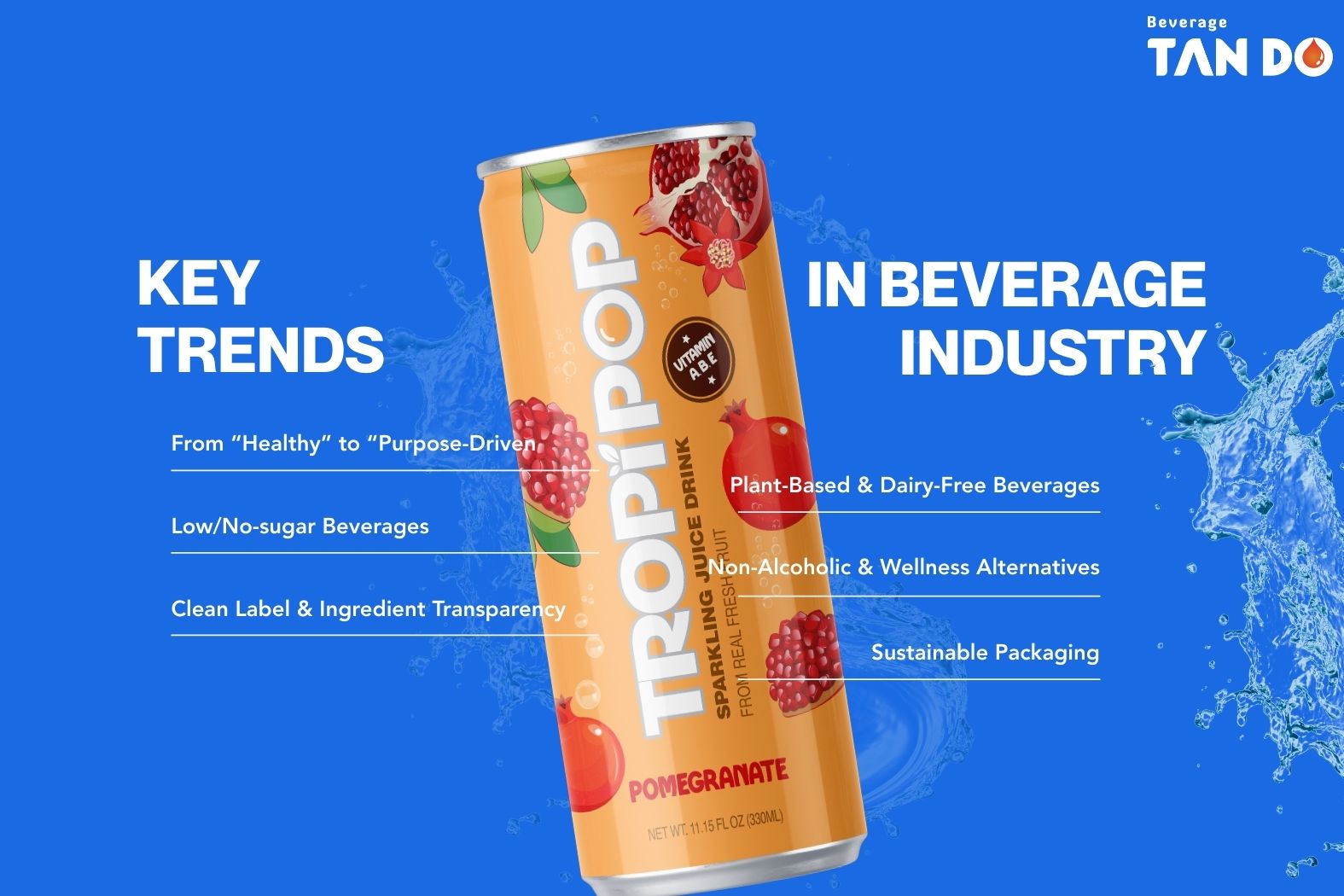
As we move closer to 2026, a number of clear trends are starting to shape the future direction of the global beverage industry:
1. Functional Beverages Move From “Healthy” to “Purpose-Driven”
Over the past few years, functional beverages have moved rapidly from niche to mainstream. Consumers are increasingly focused on specific, measurable benefits, such as digestive support, immunity, sustained energy and cognitive focus.
The global functional beverage market is estimated to exceed USD 126 billion in 2025 and is projected to grow to more than USD 204 billion by 2034, with a CAGR of approximately 4.9%.
Key functional segments include:
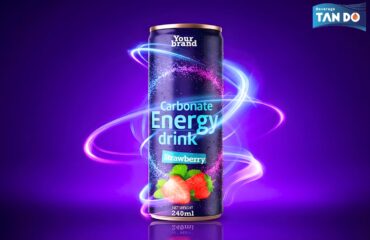
- Energy drinks and enhanced waters, accounting for roughly 32% of global functional beverage market share
- Fortified juices and plant-based protein drinks, driven by demand for natural ingredients
- Gut-health beverages and adaptogen-based drinks, supported by rising awareness of digestion and stress management
Major global brands are actively investing in functional innovations within the beverage category. For example, PepsiCo announced Pepsi Prebiotic Cola — a cola with added prebiotic fiber, lower sugar and fewer calories — which will be sold online starting in late 2025 and in retail outlets in early 2026, reflecting shifting consumer demand toward gut-friendly and wellness-oriented beverages.
For private label brands, functional beverages offer several advantages:
- Differentiation from the very first product launch, rather than competing on price alone
- Faster R&D cycles to develop multiple SKUs based on specific usage occasions, from hydration to energy and mental focus
- Strong alignment with retail chains, wellness stores and fast-growing online marketplaces
Functional beverages are no longer a short-term trend—they are becoming a core structural element of private label beverage portfolios in 2026.
2. Low-Sugar and No-Sugar Beverages Become the New Standard
The shift toward low- and no-sugar beverages is no longer limited to functional drinks. It is now reshaping the entire beverage industry.
Sugar reduction is no longer consumer-driven alone—it is policy-driven and retailer-enforced. Governments are using sugar taxes and labeling systems to influence purchasing behavior, while retailers are under pressure to demonstrate healthier assortments.
As a result, the global sugar-free beverage market is growing rapidly, with an estimated value of USD 15.6 billion in 2025, projected to reach USD 29.5 billion by 2032, at a CAGR of approximately 7.8%.
Key drivers behind this growth include:
- Increased consumer awareness of health and nutrition, especially in developed markets
- Greater attention to ingredient labels and preference for clean, simple formulations
- Regulatory pressure and marketing restrictions on high-sugar beverages
For private label brands, this trend creates a clear opportunity to position products as the “healthy default” choice, particularly in supermarkets, convenience stores and e-commerce channels. Reduced-sugar formulations, natural sweeteners such as stevia and monk fruit, and sugar-free alternatives are rapidly becoming baseline competitive requirements worldwide.
3. Clean Label & and Ingredient Transparency Drive Trust
Consumers are not just avoiding “bad ingredients”—they are actively seeking clarity and honesty. Social media education, health apps, and QR-based product transparency tools reinforce clean label trends.
Shoppers increasingly prefer private label beverages with:
- Short, simple ingredient lists
- Natural colors and flavors
- No artificial preservatives or additives
- Clear explanations of functional benefits
For private label brands, clean label positioning helps overcome historical perceptions that private label equals lower quality. Transparency, traceability and honest communication are becoming essential elements of private label success.
OEM/ODM partners are expected to act not only as manufacturers, but also as technical advisors, guiding formulation decisions and ensuring compliance with international labeling standards.
4. Plant-Based and Dairy-Free Beverages Go Fully Mainstream
Plant-based beverages are no longer a niche category. Thanks to their lactose-free profile, lower saturated fat content and environmental benefits, these products appeal to both health-conscious consumers and those motivated by ethical and sustainability concerns.
Plant-based ingredients are estimated to account for approximately 38.1% of total global beverage ingredient demand in 2025, reflecting strong momentum across regions.
The category now extends far beyond milk alternatives and includes:
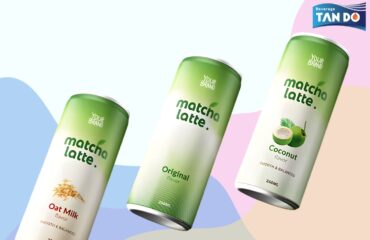
- Nut-based beverages (oat, almond, pea)
- Coconut water and tropical plant-based drinks
- Hybrid products combining plant-based bases with functional ingredients such as protein and adaptogens
Strong adoption in North America and Europe demonstrates the scalability of plant-based private label SKUs. For private label brands, this trend enables:
- Development of portfolios targeting “plant-forward” consumers
- Expansion into crossover categories such as plant-based functional drinks
- Differentiation from traditional branded beverages still focused on high-sugar sodas and juices
5. Non-Alcoholic & Wellness Alternatives Gain Momentum
While growth in traditional alcoholic beverages is slowing in many markets, non-alcoholic beverages are experiencing strong and sustained growth. According to IWSR data, global consumption of non-alcoholic beer increased by approximately 9% in 2024, with continued growth expected through 2029.
Beyond non-alcoholic beer, mocktails, botanical beverages and healthy mixers are gaining popularity—particularly among Gen Z and millennial consumers influenced by the “sober-curious” movement.
For private label brands, this trend presents opportunities to:
- Build premium non-alcoholic beverage portfolios for retail, foodservice and hospitality
- Combine social drinking experiences with functional benefits such as relaxation, sleep support and hydration
6. Sustainable Packaging Is a Market Access Requirement
Sustainable packaging is no longer optional—especially for export-oriented private label beverages. Governments and retailers are tightening regulations related to recycling, plastic reduction and carbon footprint management.
The global beverage packaging market is expected to grow at a CAGR of approximately 6.1% from 2025 to 2031, driven largely by demand for sustainable solutions, particularly in premium bottled beverages.
For private label brands:
- Eco-friendly packaging improves access to highly regulated markets such as the EU
- Packaging strategies that combine recyclability, lightweight design and logistics efficiency are becoming commercial necessities
Strategic Takeaway for Private Label Brands
From functional beverages to low-sugar formulations, plant-based innovation and sustainable packaging, the beverage industry is undergoing a fundamental transformation toward health-first, transparent, experience-driven and regionally adapted products.
For private label businesses, these are not short-term marketing trends but long-term strategic drivers that enable:
- More relevant product portfolios aligned with target markets
- Faster speed-to-market and innovation cycles
- Improved compliance and export readiness for regulated markets
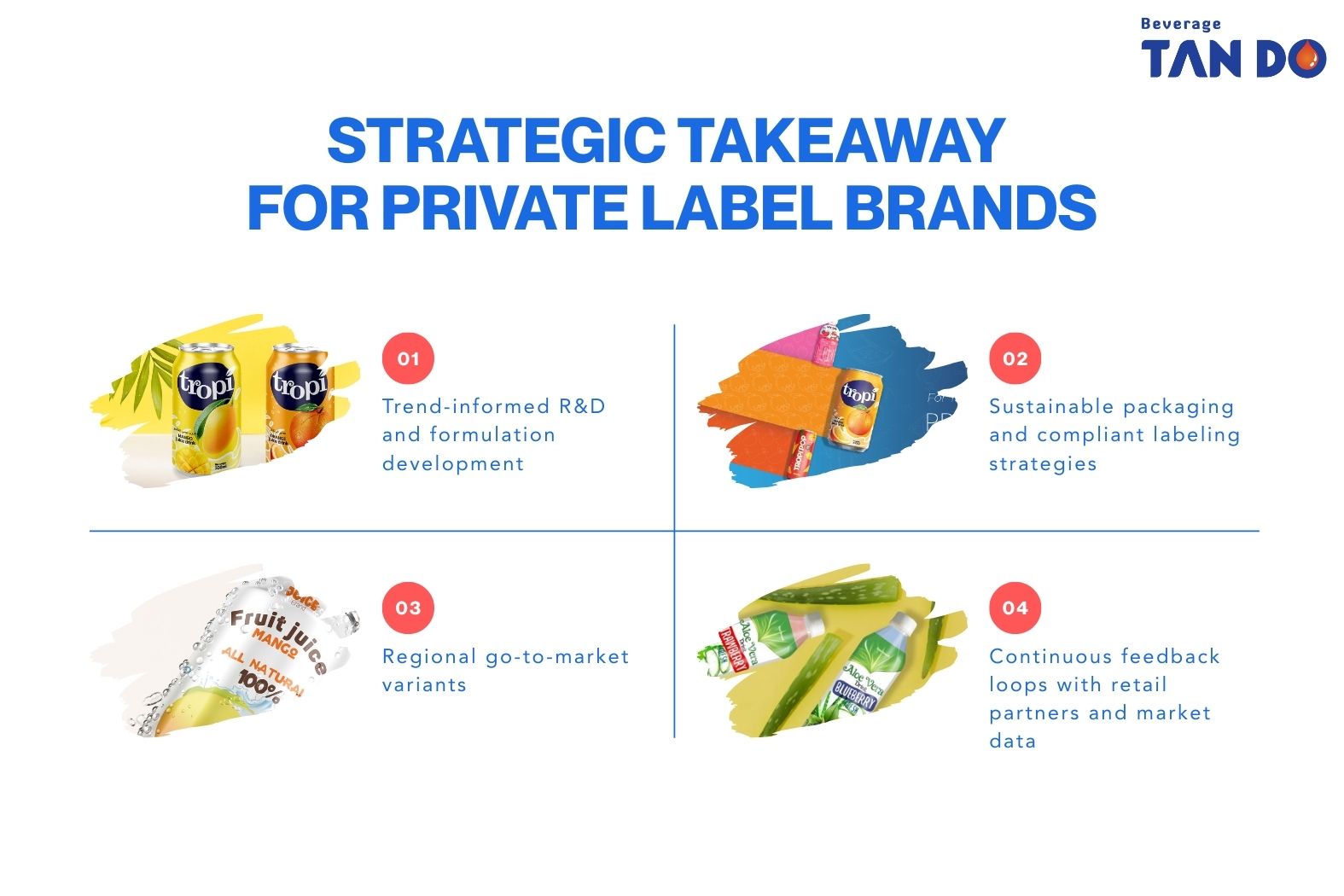
Key next steps include:
- Trend-informed R&D and formulation development
- Sustainable packaging and compliant labeling strategies
- Regional go-to-market variants
- Continuous feedback loops with retail partners and market data
Ready to Jump Into Private Label Beverages in 2026?
If you’re planning to launch or expand private label beverages in 2026, now is the time to act. Partnering with the right OEM/ODM private label manufacturer can make the difference between following the market and leading it.
Tan Do Beverage supports brands at every stage—from concept development and formulation to compliant production and export-ready packaging—helping you turn trends into scalable, market-ready products with confidence.
Start your private label journey with Tan Do Beverage today—and turn your 2026 beverage strategy into real products on the shelf!