The benefits of coconut milk beverage are undeniable, thanks to its naturally nourishing profile and positive impact on overall health. As the global shift toward plant-based beverages continues to grow, more consumers are choosing dairy-free options that align with modern wellness and lifestyle trends.
Coconut milk beverage stands out for its creamy texture, mild flavor, and versatility in everyday consumption. In this blog, we’ll explore what coconut milk is, how it’s made, and the health benefits that have made it a favorite in today’s wellness routines.
What is Coconut Milk Beverage?
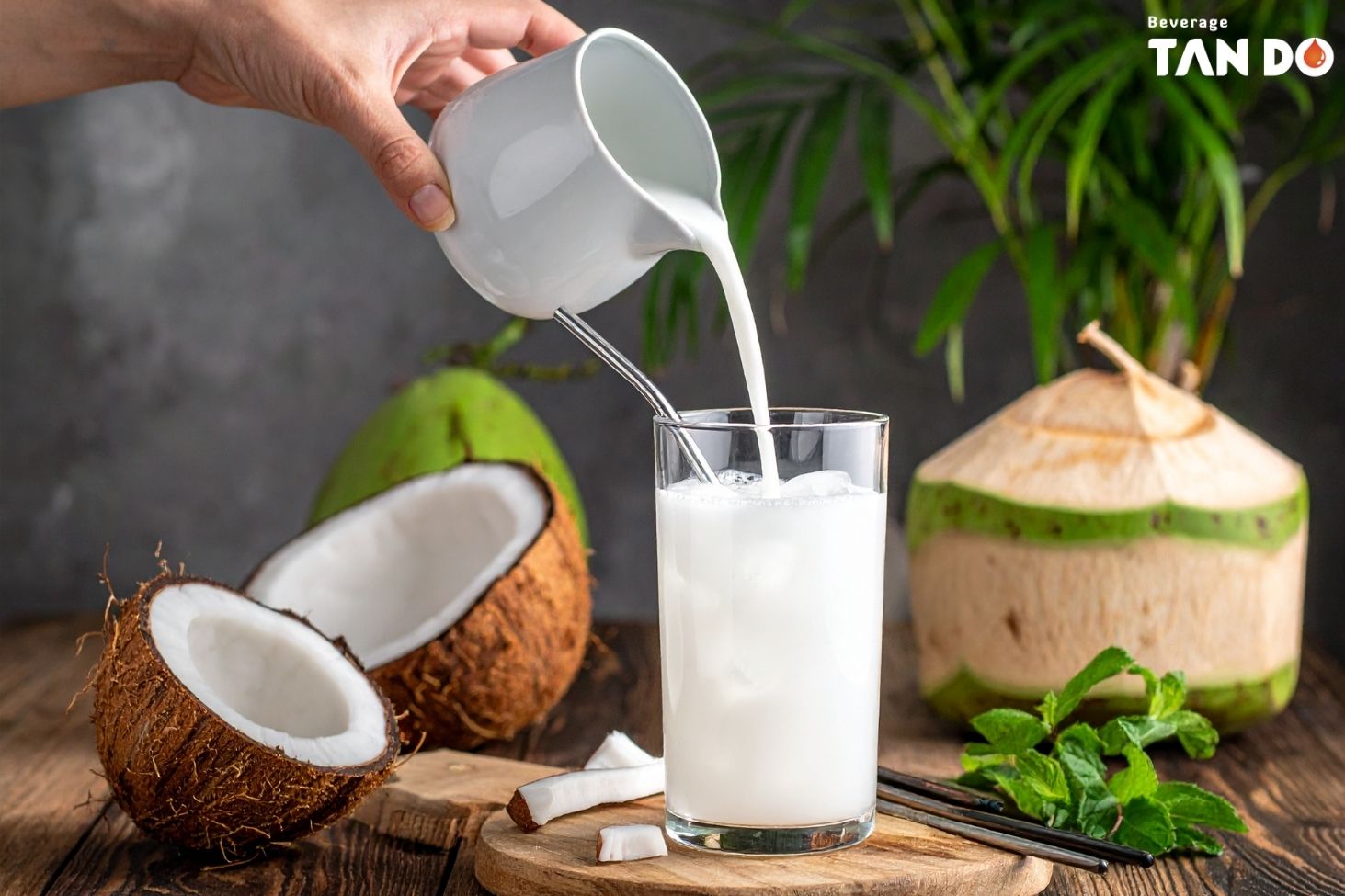
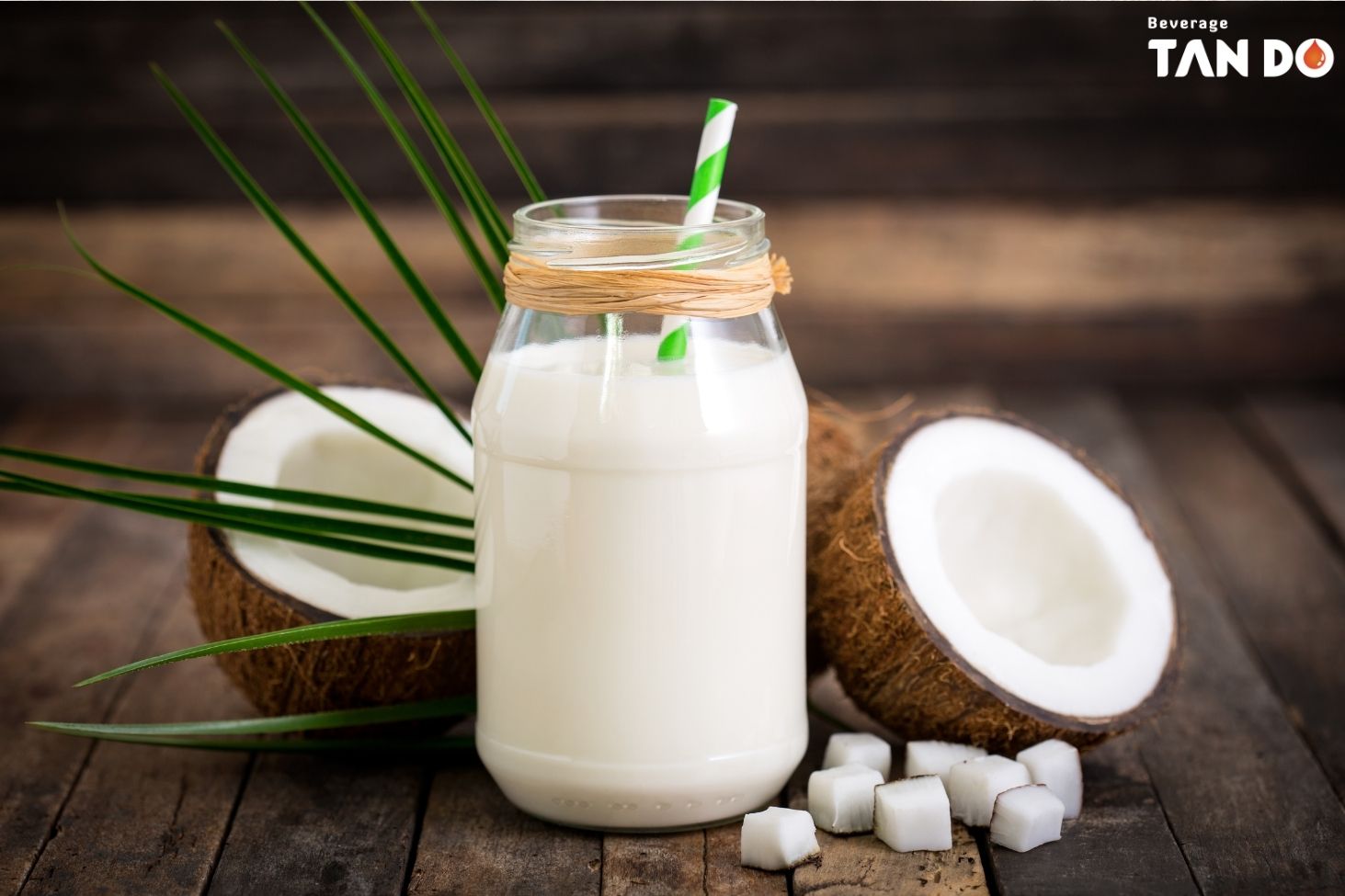
A coconut milk beverage is a creamy, naturally white drink made from the pressed flesh of mature coconuts. Traditionally, coconut meat is grated, blended with warm water, and pressed to extract the liquid—yielding a thicker first extract and a lighter second one.
In modern production, this process is optimized for quality and consistency. The coconut flesh is finely milled, pressed under controlled conditions, then filtered and standardized. Depending on the formulation, stabilizers may be used to maintain a smooth texture, and coconut milk can also be converted into powder for improved shelf life and easier transport.
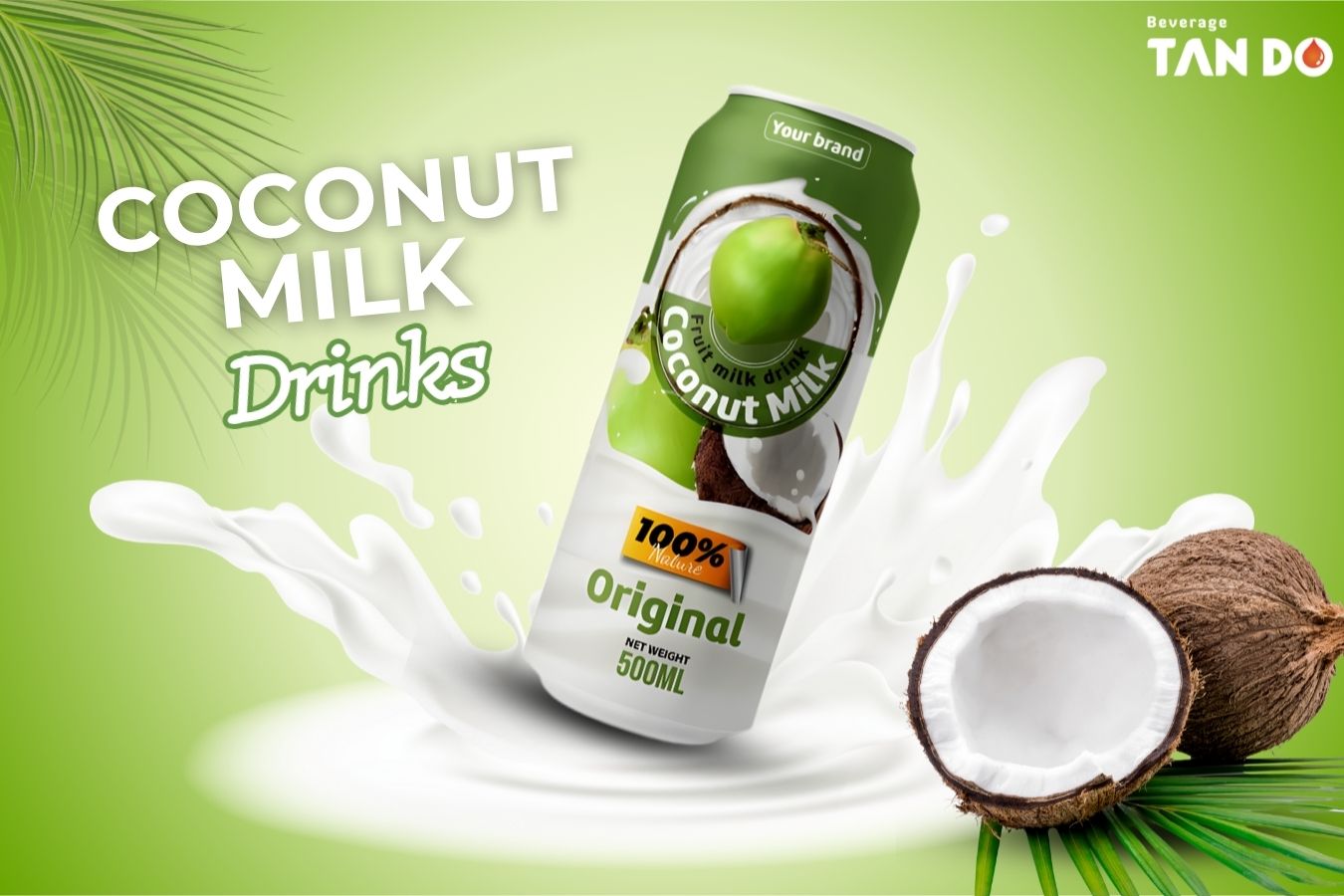
Thanks to its velvety mouthfeel and mild, nutty sweetness, coconut milk beverage is widely used in smoothies, desserts, curries, and ready-to-drink plant-based beverages. Naturally dairy-free and lactose-free, it serves as a popular alternative to dairy milk, delivering both flavor and richness across sweet and savory applications.
Coconut Milk vs Coconut Water: Are They the Same?
No — they are quite different.
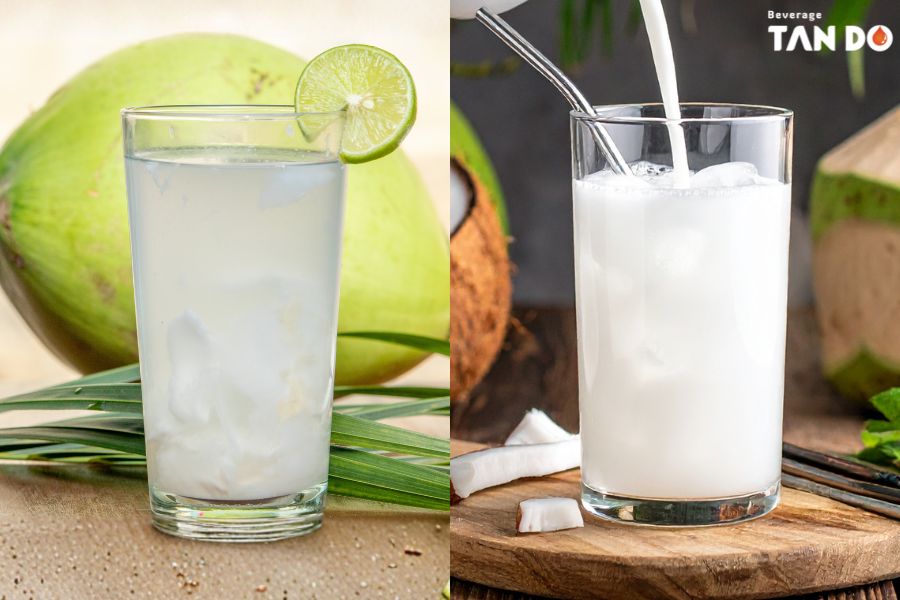
- Coconut water is the clear liquid found inside young coconuts. It is light, low in calories, and naturally rich in electrolytes, making it well suited for hydration and daily refreshment.
- Coconut milk, on the other hand, is thicker and more indulgent, better suited for recipes or beverages that require creaminess and richness. Each plays a distinct role in nutrition and beverage formulation, depending on the desired function and experience.
Each serves a distinct role in both nutrition and beverage formulation, depending on whether the goal is hydration or richness and satiety.
Learn more in our full comparison here: Coconut Milk vs Coconut Water: A Complete Comparison – Tan Do
Coconut Milk Nutritional Profile
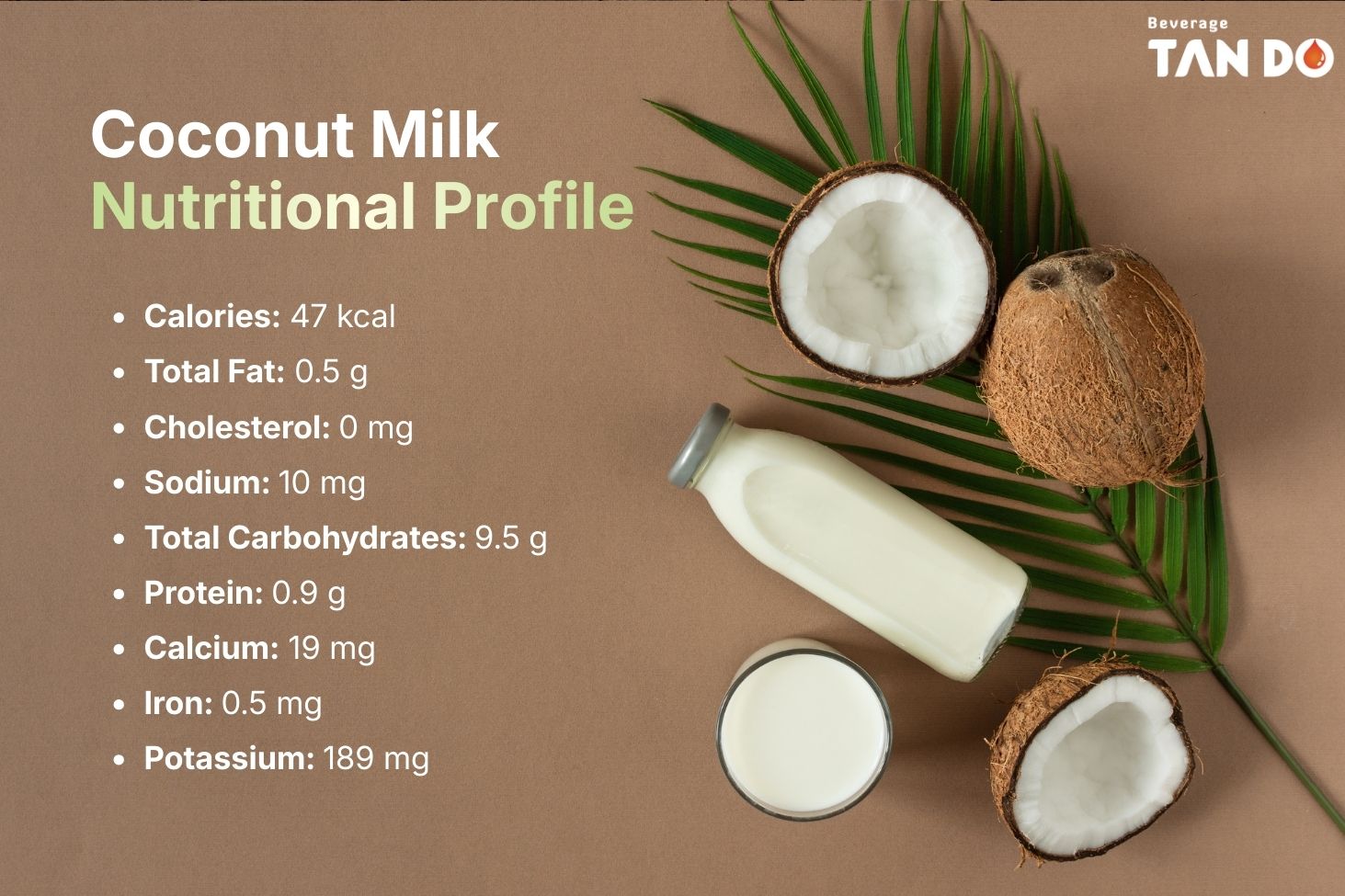
Coconut milk is one of the most energy-dense beverages that offer multiple benefits for overall health thanks to its fat content, especially medium-chain triglycerides (MCTs). Typical nutrition per 1 cup (240 mL):
- Calories: 552 kcal
- Carbs: 13 grams
- Suga: 8 grams
- Fat: 57 grams
- Protein: 5.5 grams
- Potassium: 18% of the DV
- Magnesium: 22% of the DV
- Manganese: 110% of the DV
- Sodium: 1% of the DV
- Vitamin C: 11% of the DV
- Folate: 10% of the DV
Thanks to this profile, coconut milk is often used when people want a satisfying, energy-rich plant-based drink.
Top 8 Outstanding Benefits of Coconut Milk Beverage
1. Rich in Essential Nutrients for Daily Wellness
Coconut milk beverage provides a range of essential minerals such as magnesium, potassium, manganese, copper, and iron, which play important roles in energy metabolism, muscle contraction, and nervous system function. These nutrients help support daily physical performance and overall vitality.
In addition, coconut milk contains small amounts of B-vitamins that assist in converting food into energy and maintaining healthy skin and hair. When consumed as part of a balanced diet, coconut milk can contribute to meeting everyday micronutrient needs, especially for those following plant-based lifestyles.
2. Dairy-Free, Lactose-Free & Plant-Based
One of the key coconut milk beverage benefits is that it is naturally free from lactose and dairy proteins, making it an excellent alternative for individuals with lactose intolerance, milk allergies, or sensitive digestion. It allows consumers to enjoy creamy texture and mild sweetness without discomfort.
Beyond dietary restrictions, its plant-based nature aligns well with vegan, vegetarian, and flexitarian diets, as well as consumers seeking more sustainable and ethical food choices. This versatility makes coconut milk a popular option for smoothies, cereals, coffee, and cooking.
3. Supports Heart Health When Consumed in Moderation
Coconut milk contains unique fats known as medium-chain triglycerides (MCTs), which are metabolized differently from long-chain fatty acids. Some studies suggest these fats may help increase HDL (“good”) cholesterol levels, an important marker associated with heart health.
Additionally, coconut milk is cholesterol-free and contains potassium, a mineral that supports healthy blood pressure regulation. When enjoyed in moderate amounts as part of a balanced diet, coconut milk can fit into heart-conscious eating patterns.
4. Contains Lauric Acid to Support Immune Function
One of the standout benefits of coconut milk beverage is lauric acid, a fatty acid that the body converts into monolaurin. Research suggests monolaurin may have antimicrobial properties that help the body defend against certain bacteria, viruses, and fungi.
While coconut milk is not a medical treatment, its natural fat profile may contribute to overall immune resilience when paired with healthy lifestyle habits such as proper nutrition and hydration.
5. May Support Metabolism and Energy Utilization
The MCTs in coconut milk are rapidly absorbed and used by the body as a quick energy source rather than being stored as fat. This makes coconut milk beverage appealing to active individuals or those seeking sustained energy throughout the day.
Some evidence also suggests MCTs may promote satiety, helping people feel fuller for longer. When consumed mindfully, coconut milk may support weight management goals as part of a calorie-controlled diet.
6. Provides Antioxidants That Help Protect Cells
Coconut milk contains antioxidants such as vitamin C, vitamin E (in higher-fat varieties), and manganese, which help neutralize free radicals in the body. These antioxidants play a role in protecting cells from oxidative stress linked to aging and chronic conditions.
By supporting the body’s natural defense systems, antioxidant-rich foods like coconut milk can contribute to long-term cellular health and overall well-being.
7. Gentle on Digestion and Supports Gut Comfort
The natural fats and mild fiber content in coconut milk may help promote smoother digestion and improve nutrient absorption. Many people find coconut milk easier to digest than dairy milk, especially those with sensitive stomachs.
Additionally, its creamy texture can be soothing to the digestive tract, making it a popular ingredient in light meals, beverages, and recovery drinks.
8. Contains Natural Electrolytes for Hydration
Coconut milk beverage contains electrolytes such as potassium and magnesium, which help maintain fluid balance, support muscle function, and aid nerve signaling. These minerals are especially important after physical activity or during hot weather.
When included in smoothies or functional beverages, coconut milk can contribute to hydration while also delivering flavor and nutritional value.
Potential Side Effects
Coconut milk is usually easy to digest and safe for most people when enjoyed in moderate amounts. That said, because it’s relatively high in calories and fat, drinking too much may lead to unwanted weight gain.
Despite many benefits of coconut milk beverages mentioned above, some people may still experience mild reactions. If you notice any unusual symptoms after consuming it, it’s best to seek medical advice. For personalized guidance, consider consulting your Ayurvedic practitioner or healthcare professional.
How to Choose the Best Coconut Milk Beverage?
- When choosing coconut milk beverage, always check the ingredient list and opt for products made with only coconut and water whenever possible. Look for brands that use BPA-free cans to help reduce potential chemical exposure.
- If you prefer a lighter option, unsweetened coconut milk in cartons typically contains less fat and fewer calories than canned varieties.
- For an even lower-calorie choice, light canned coconut milk offers a thinner texture and provides around 125 calories per ½ cup (120 ml).
- Finally, choose the right manufacturer. The best coconut milk begins with a trusted partner—one that understands your vision and can turn it into high-quality, market-ready products.
At Tan Do, we specialize in developing coconut milk drinks that meet international quality standards, from formulation and sourcing to packaging and large-scale production, helping your ideas move seamlessly from concept to store shelves.

Conclusion
Benefits of coconut milk beverages include a unique combination of taste, texture, and functional nutrition. Backed by growing research, coconut milk provides healthy fats, essential minerals, antioxidants, and plant compounds that support energy, immunity, metabolism, and overall wellness.
While it is not a low-calorie drink, enjoying coconut milk in balanced portions makes it a nourishing and versatile addition to modern diets and beverage innovations!
You may also like: