The history of energy drink reveals how the global demand for quick energy has evolved from traditional stimulants to a multi-billion-dollar industry. In today’s fast-paced world, energy drinks have become a go-to solution for students, professionals, and athletes seeking an instant boost in performance and focus. But behind these modern beverages lies a fascinating journey.
So today, we’ll explore how energy drinks began, who invented the first energy drink, and how the category has evolved into the global phenomenon we see today!
The History of Energy Drink
The concept of consuming substances to enhance energy and combat fatigue is far from new. For centuries, humans have turned to natural stimulants like coffee, tea, and the leaves of the coca plant to stay alert and focused. Even early iterations of iconic beverages like Coca-Cola, introduced in 1886, were initially marketed as tonics and medicinal aids, containing caffeine and even a small amount of cocaine (which was later removed in 1903).
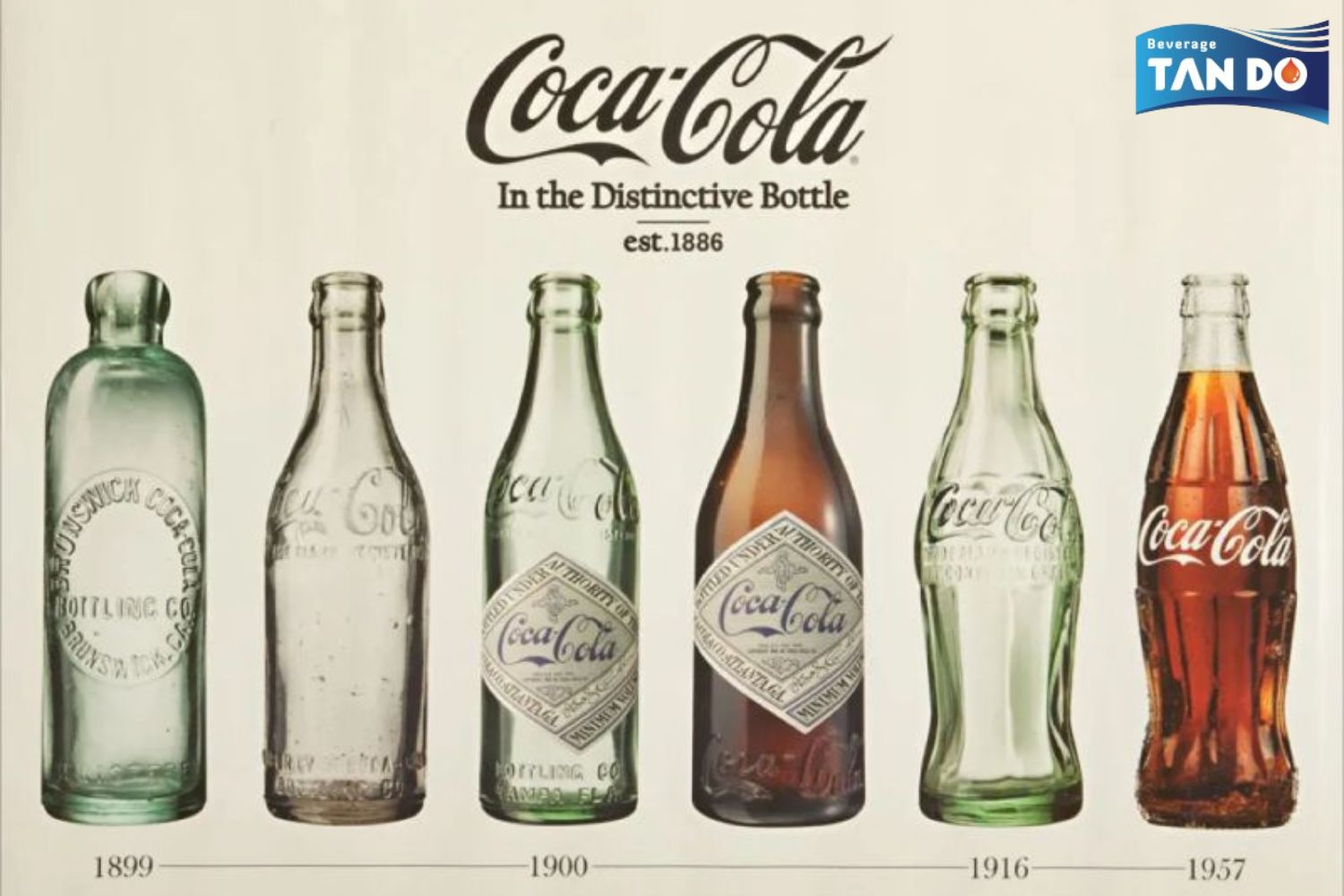
These early concoctions, however, were more about refreshment and general well-being rather than the targeted, sustained energy boost that modern energy drink brands strive to deliver.
Who Invented the Energy Drink?
If we’re talking about the first energy drink that really kicked off the modern era, we need to jet over to Japan in 1962. It was then that Taisho Pharmaceuticals launched Lipovitan-D. This little bottled drink was a game-changer, especially for folks like truck drivers and factory workers who needed to fight off serious fatigue.
Its blend of key energy drink ingredients such as taurine, niacin, and B vitamins aimed to enhance both mental and physical stamina. Unlike earlier beverages that were primarily for refreshment, Lipovitan-D marked a significant shift by focusing explicitly on boosting performance and endurance, effectively pioneering the energy drink category in post-World War II Japan.
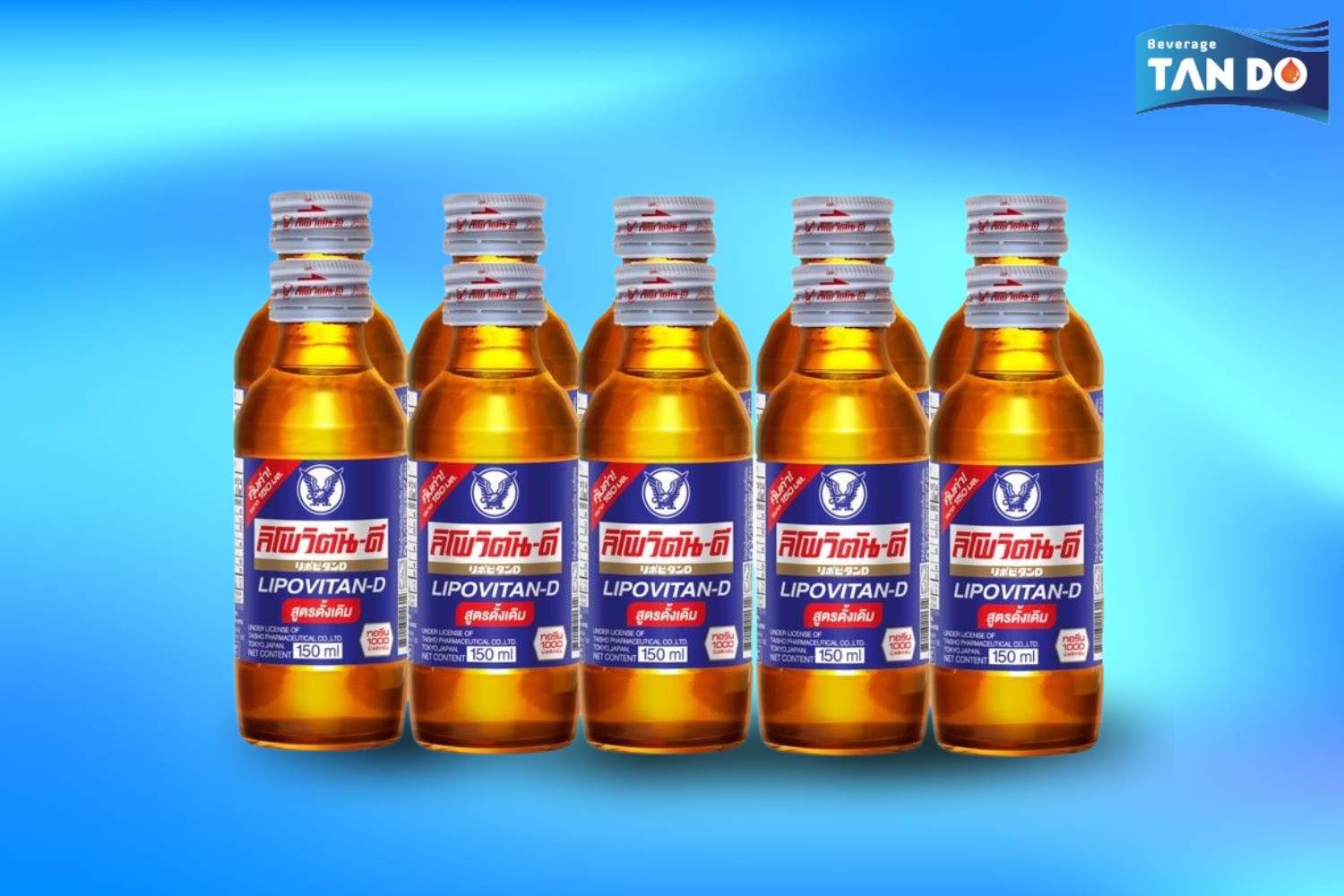
Around the same period, in Thailand, a similar product called Krating Daeng emerged in 1976. This beverage, meaning “red gaur,” would later serve as the crucial inspiration for a brand that would go on to conquer the global market.
Red Bull: The Global Phenomenon
Energy drinks reached a major turning point when Austrian businessman Dietrich Mateschitz discovered these functional tonics during a trip to Bangkok. Recognizing their potential, he collaborated with the creators of Krating Daeng in 1984. He later adapted the concept and launched Red Bull in Europe, helping bring energy drinks to global consumers.
With bold branding and marketing focused on extreme sports, adventure, and an energetic lifestyle, Red Bull quickly changed how people viewed energy drinks. What was once a niche tonic-style beverage suddenly became a global phenomenon, opening the door for many new competitors and helping turn energy drinks into a multi-billion-dollar industry.
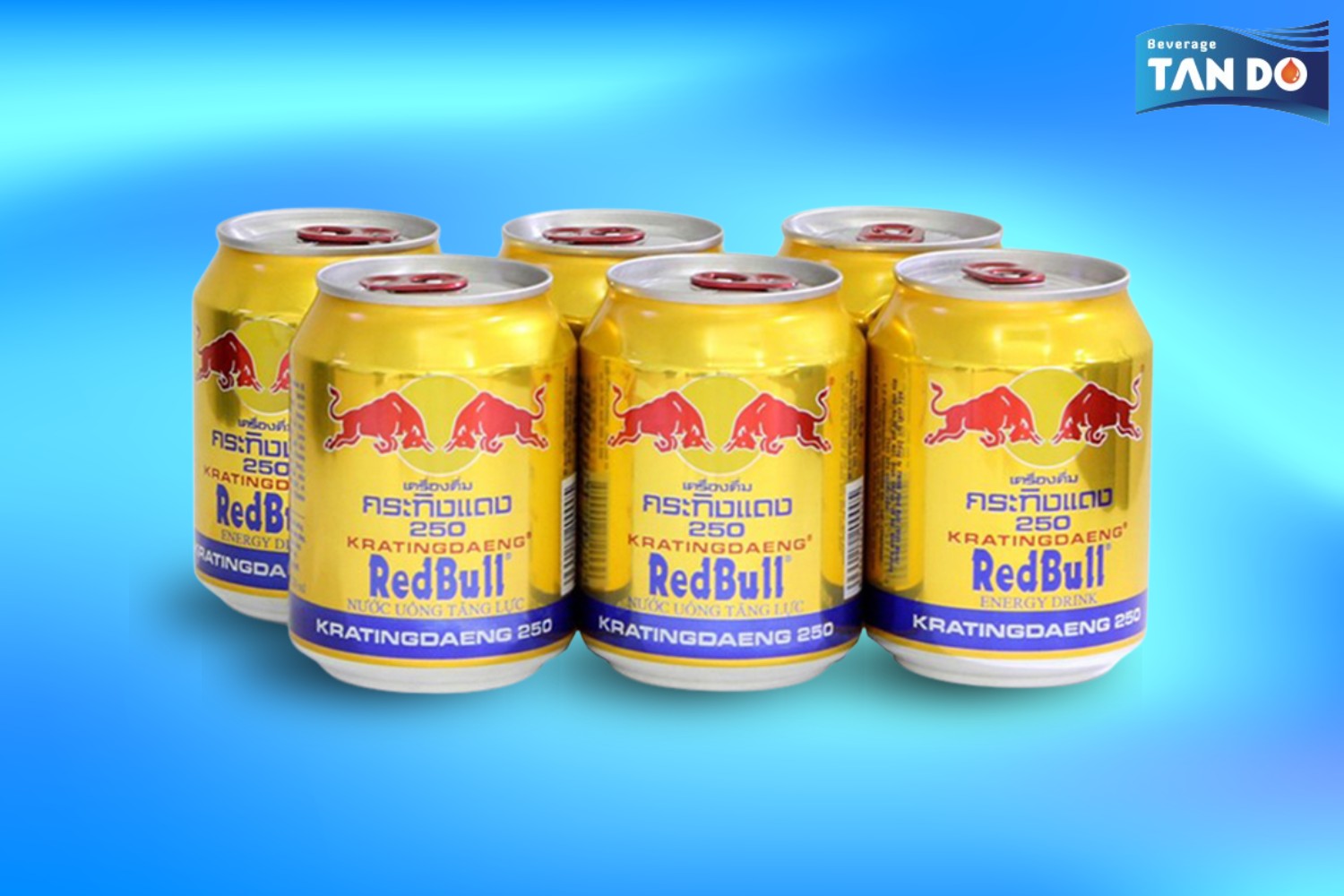
Interestingly, the idea of stimulating beverages had appeared in the United States much earlier. Drinks like Dr. Enuf, introduced in 1949, and Jolt Cola, launched in 1985, already experimented with higher caffeine formulas. However, these products never reached the global popularity that Red Bull eventually achieved.
Unpacking the Ingredients: What’s in an Energy Drink?
At their core, most energy drink ingredients are designed to provide a quick and effective boost. The primary active components typically include:
- Caffeine: This well-known stimulant is a key player in most energy drinks. Caffeine in energy drinks works by blocking adenosine, a neurotransmitter that makes you feel tired, thus increasing alertness and reducing perceived exertion. The amount of caffeine can vary significantly between brands, often exceeding that found in a cup of coffee.
- Taurine: This amino acid is another common ingredient. Taurine in energy drinks is believed to play a role in various physiological processes, including nerve transmission and muscle function. While naturally occurring in the body, its inclusion in energy drinks is thought to contribute to the overall energizing effect.
- B Vitamins: Vitamins such as B3 (niacin), B5 (pantothenic acid), B6, and B12 are crucial for converting food into energy. Their presence in energy drinks is intended to support the body’s natural metabolic processes.
- Sugar: Many popular energy drinks contain significant amounts of sugar, providing a rapid source of calories and contributing to the immediate energy surge. However, this also contributes to concerns about excessive sugar intake.
The combination of these ingredients, along with others like guarana extract, ginseng, and various artificial sweeteners or flavorings, creates the distinctive profile of a typical energy drink. When considering what’s a good energy drink, factors beyond just the caffeine content, such as sugar levels and added vitamins, often come into play for health-conscious consumers.
The Evolution of Energy Drink Brands
As energy drinks have become more popular, people are talking more about health. Concerns about high sugar and caffeine have led to a new trend: consumers, including businesses, want energy that’s more balanced and natural. They’re looking to avoid those sudden energy highs and quick crashes.
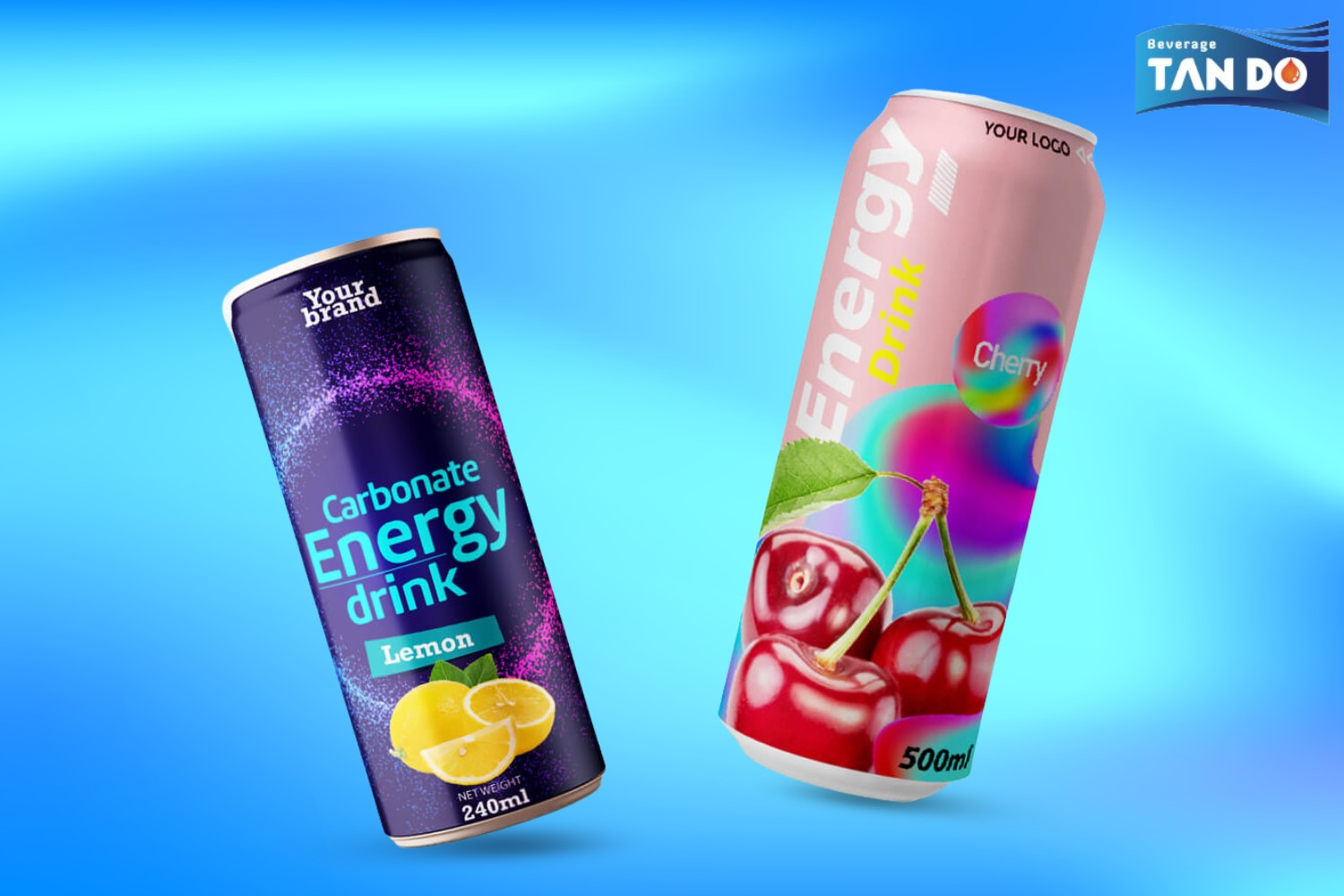
This change is opening up promising opportunities in the beverage market. Brands are looking for alternatives that focus on natural energy sources. According to Grand View Research, the global functional drinks market, including natural products, is projected to reach USD 315.89 billion by 2033. This growth is driven by increasing demand for health-conscious products.
Key natural options include:
- Fresh Coconut Water: Great for natural electrolytes and hydration
- Fruit Juices: They offer natural sugars, vitamins, and antioxidants for steady energy.
- Plant-Based Infusions: These use herbs known for boosting energy and health, like ginseng or guaraná.
The history of energy drinks is really about adapting to what people want. From old-fashioned tonics to today’s complicated drinks, people have always sought ways to perform better. But now, with health and wellness considerations becoming so important in buying decisions, the beverage industry is evolving. We’re seeing a clear move towards balanced, naturally sourced energy solutions, showing a mature market that can meet many different needs.
A Smarter Way to Create Energy Drinks
At Tan Do Beverage, it’s all about creating energy drinks that feel right for today’s consumers—cleaner, lighter, and more balanced. Instead of going heavy on formulas, the focus is on keeping things simple, transparent, and enjoyable to drink.
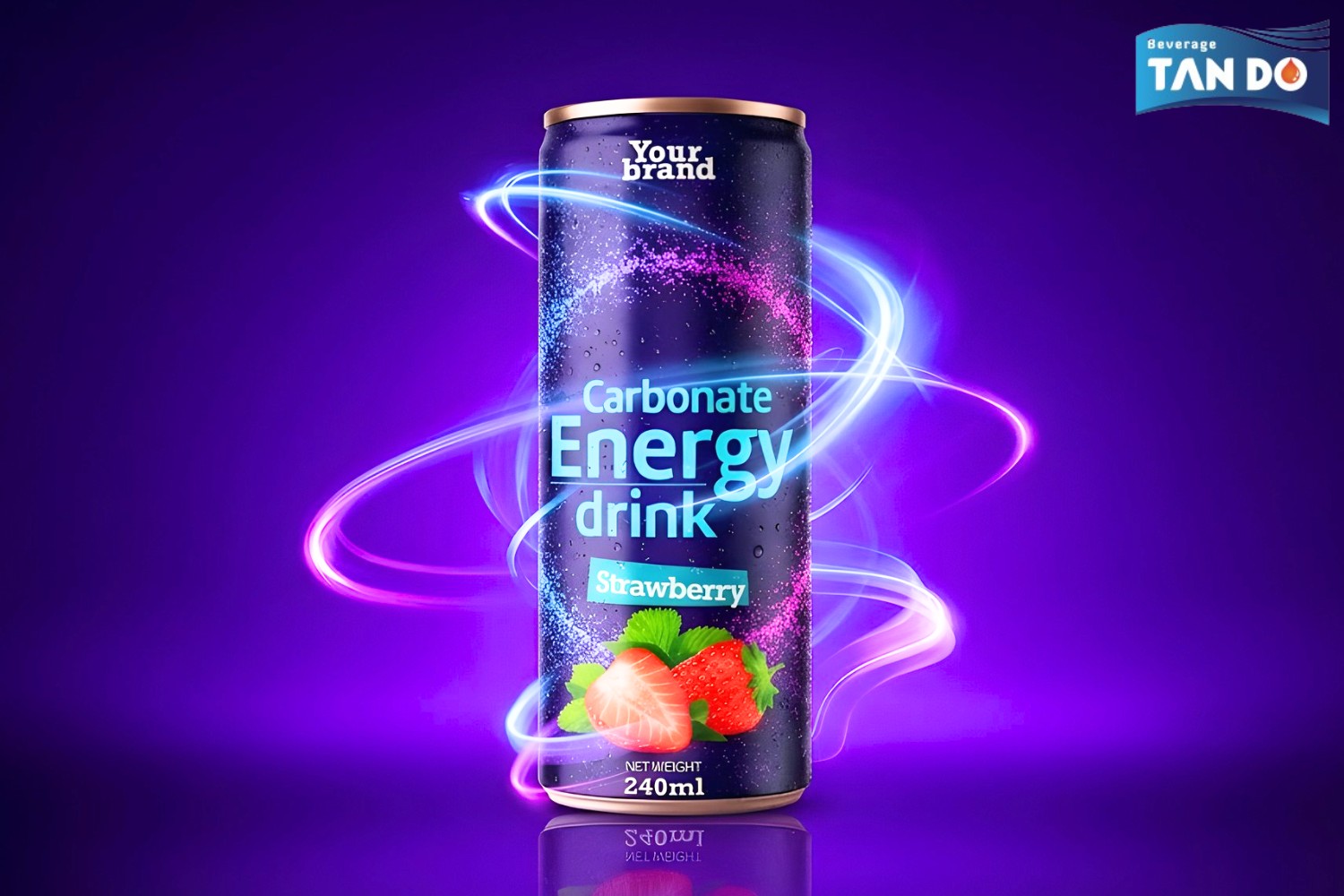
This approach follows the growing clean label trend, where people are leaning toward less sugar, fewer artificial ingredients, and a more natural feel overall.
With nearly 30 years in the beverage industry, we help brands create energy drinks that not only perform well, but also connect better with what consumers actually want today.
Summary
The history of energy drink shows how our need for quick energy has grown from simple natural stimulants into a global industry. From early tonics to Lipovitan-D and the rise of Red Bull, energy drinks have come a long way. Today, people are looking for options that feel lighter, more natural, and better for their overall well-being.
As the market continues to grow, brands have a great opportunity to innovate and stand out. Looking to develop your own energy drink? Now is the perfect time to create products that truly connect with today’s consumers.