In recent years, prebiotic drinks have emerged as one of the most dynamic trends in the functional beverage market. Far from being a passing fad, prebiotic drinks are gaining traction as consumers increasingly prioritize digestive health, overall wellness, and beverages that combine both taste and function.
But what does prebiotic actually mean? From our perspective as a beverage manufacturer, this isn’t a short-term hype cycle. It reflects a deeper global shift: consumers want drinks that do more than refresh — they want drinks that support their health.
What are prebiotic drinks?
Prebiotic drinks are formulated with prebiotic fibers, which are non-digestible carbohydrates that feed beneficial gut bacteria.
Unlike probiotics (which add live bacteria), prebiotics help nourish the good bacteria already living in the gut. These fibers travel to the colon, where they are fermented by beneficial microbes. This process produces short-chain fatty acids (SCFAs), compounds associated with:
- Better digestive balance
- Improved bowel regularity
- Support for immune function
While research is still developing, specific prebiotic fibers such as inulin and resistant dextrin have been clinically studied for digestive support.
The rise of prebiotic beverages
“Prebiotic” has quickly become one of the most powerful keywords in beverage innovation.
Across global markets, brands are launching prebiotic sodas, sparkling waters, teas, and juice-based functional drinks to meet rising demand for digestive wellness. According to Innova Market Insights, 23% of consumers globally are actively seeking prebiotics in food and beverages, and prebiotic drink launches have increased by 13% worldwide.
This surge reflects a broader shift toward gut health awareness. Consumers increasingly understand the link between digestion, immunity, and overall well-being. As a result, beverages that combine low sugar, added fiber, and functional positioning are gaining strong shelf presence.
The appeal is clear: consumers want convenient, tasty drinks that support long-term wellness without feeling medicinal.
For beverage brands and manufacturers, “prebiotic” works because it connects three powerful trends at once: functional health, sugar reduction, and everyday convenience. The brands that succeed will be those that balance credible science with great taste and scalable production.
Why are prebiotic drinks so popular?
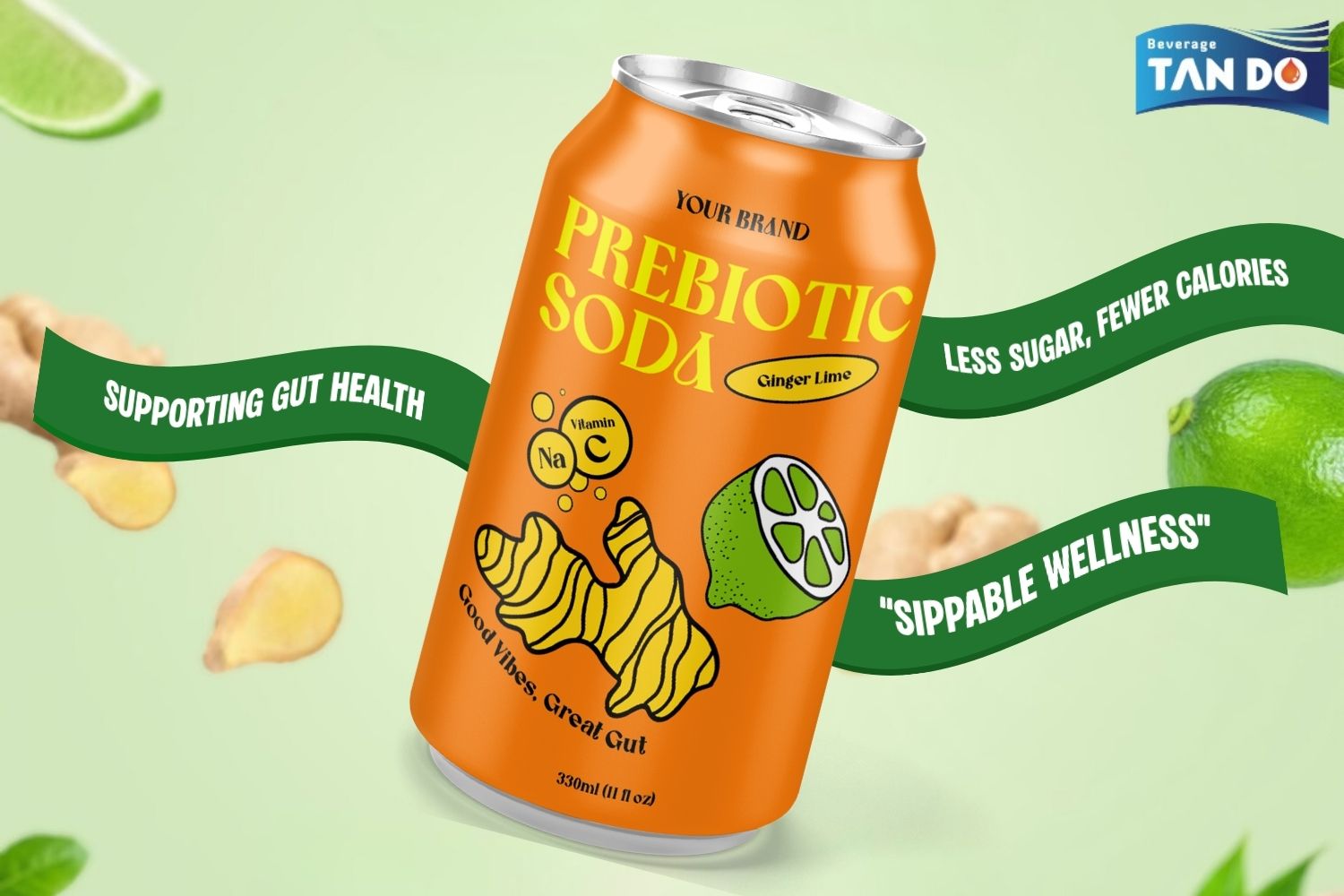
Supporting gut health
Gut health has become a major driver in the global wellness market. According to market insights, nearly one in four consumers actively seek foods and beverages that support digestive health. This shift is fueled by growing awareness of the gut microbiome’s role not only in digestion, but also in immunity, inflammation control, and metabolic balance.
Prebiotic fibers such as inulin and resistant dextrin are fermented by beneficial gut bacteria, producing short-chain fatty acids (SCFAs) that are associated with improved bowel regularity and gut barrier function. While research is still evolving, clinical evidence supports the role of certain prebiotic fibers in promoting microbiome diversity and digestive comfort.
For consumers, prebiotic drinks offer a simple and convenient way to support gut health without relying solely on supplements.
Less sugar, fewer calories
One of the biggest practical appeals of prebiotic drinks is their lower sugar and calorie content compared to traditional sodas. For example, a regular soda can contain around 35–40g of sugar per serving, while many prebiotic sodas contain only 3–5g of sugar and significantly fewer calories.
With rising concerns about obesity, blood sugar control, and long-term metabolic health, consumers are increasingly looking for “better-for-you” beverage swaps. Prebiotic drinks provide carbonation and flavor similar to soda, but with added fiber and reduced sugar — positioning them as a functional upgrade rather than just another soft drink.
“Sippable wellness” fits modern lifestyles
The concept of “sippable wellness,” highlighted by ingredient experts at BENEO, reflects a broader shift toward beverages that deliver health benefits in an enjoyable format. Today’s consumers want products that combine taste, convenience, and functionality.
Consumers today don’t want to choose between taste and health. With fruity flavors like lemon, berry, ginger, and tropical blends, prebiotic beverages deliver both. They’re convenient, ready-to-drink, and fit easily into busy routines.
Top flavor trends in prebiotic beverages
Flavor matters just as much as function. A drink can promise gut health benefits, but if it doesn’t taste good, consumers won’t buy it again.
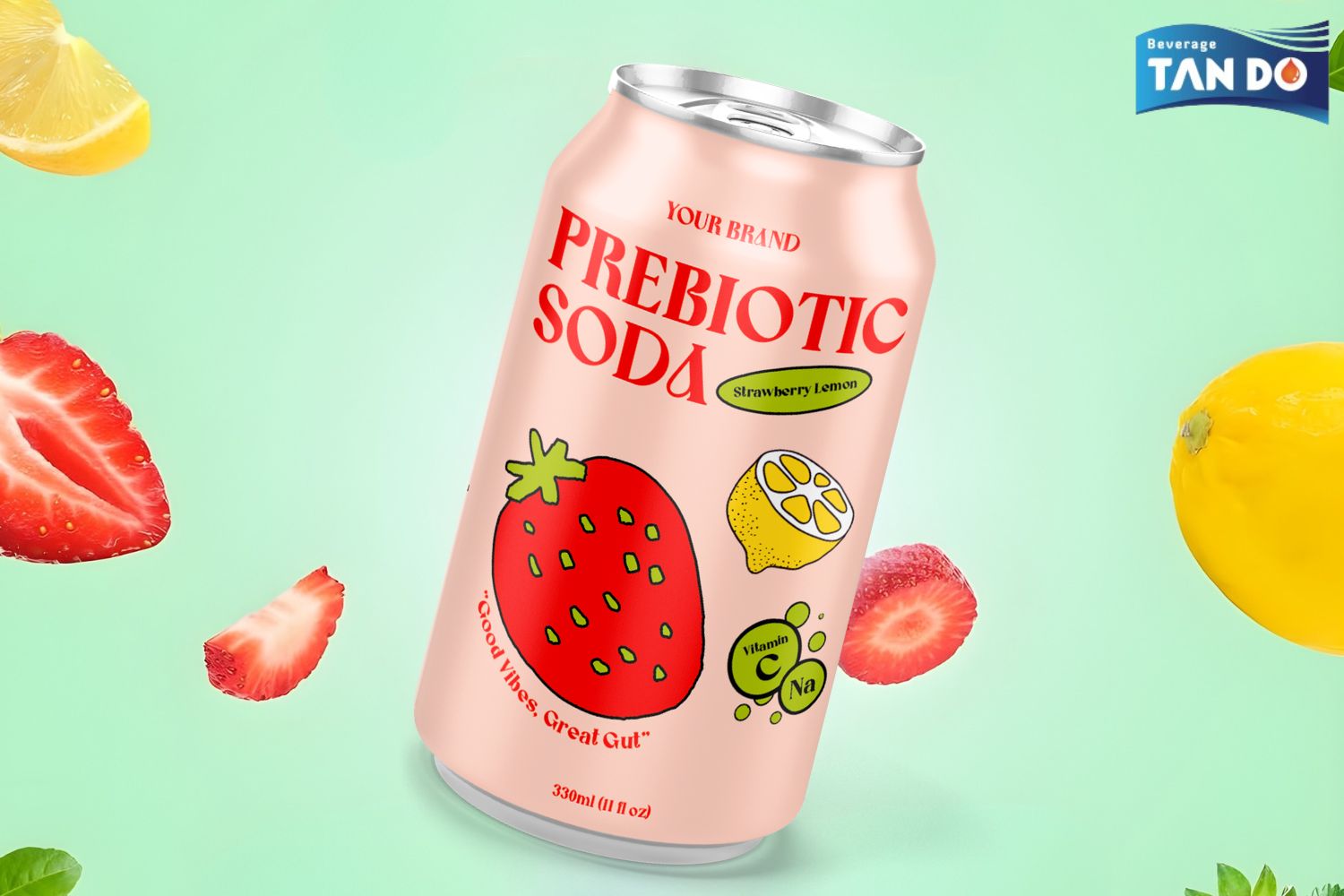
According to Innova Market Insights, lemon, strawberry, ginger, peach, raspberry, and lime are leading flavors in new prebiotic beverage launches. Citrus and berry profiles dominate because consumers associate them with freshness, lightness, and wellness.
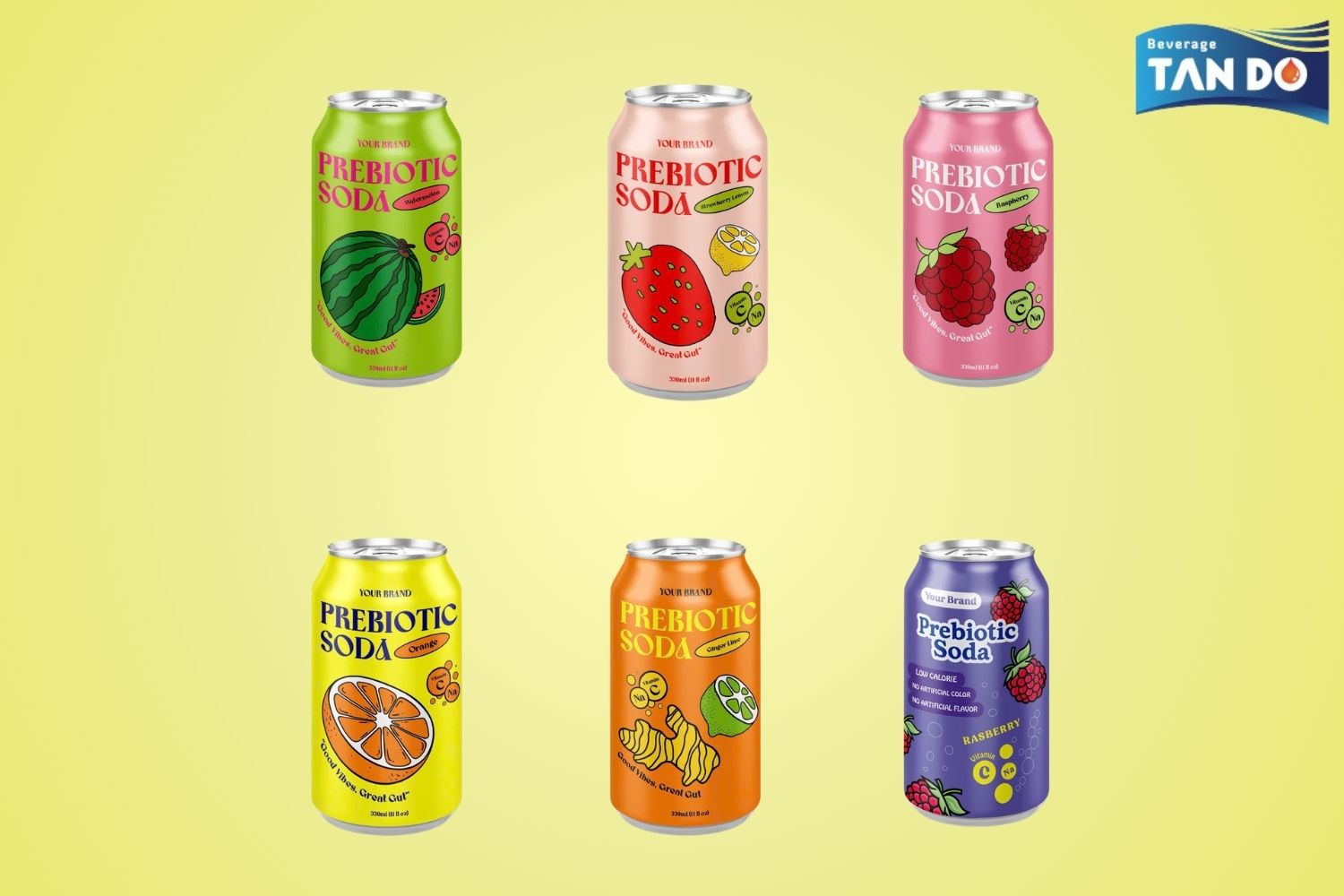
Lemon stands out the most. It is strongly linked to gut health, immunity, and low-calorie benefits, making it easy to position in the functional drink space. It also pairs well with carbonation and fiber ingredients like inulin.
For manufacturers, the key is simple: choose flavors that already feel healthy and refreshing to consumers. When taste and health messages align, the product becomes much easier to scale and succeed in the market.
Limitations and Considerations
While prebiotic drinks are growing fast, it’s important to stay realistic and science-based.
First, while certain prebiotic fibers can support gut bacteria in controlled studies, there is still limited high-quality evidence showing that prebiotic drinks alone can meaningfully “improve the microbiome” in everyday life. Experts continue to work on clearer definitions and better scientific criteria for what qualifies as a true prebiotic effect.
Second, too much prebiotic fiber can cause side effects for some people. Common short-term symptoms include bloating, gas, cramps, or diarrhea, especially for those with sensitive digestion or conditions like IBS. This is because fermentable fibers can produce gas as gut bacteria break them down.
Nutrition experts agree that fruits, vegetables, legumes, and whole grains remain the foundation of gut health because they naturally provide prebiotic fiber and essential nutrients.
Prebiotic drinks can support a healthy diet, but they should complement balanced eating habits, not replace them.
Strategies for Beverage Brands
The prebiotic beverage market is growing quickly, creating real opportunities for brands that want to enter the functional drink space. For many companies, turning ideas into successful products requires strong formulation expertise, scalable production capacity, and strict regulatory compliance.
This is where OEM, ODM, and private label partnerships become a strategic advantage.
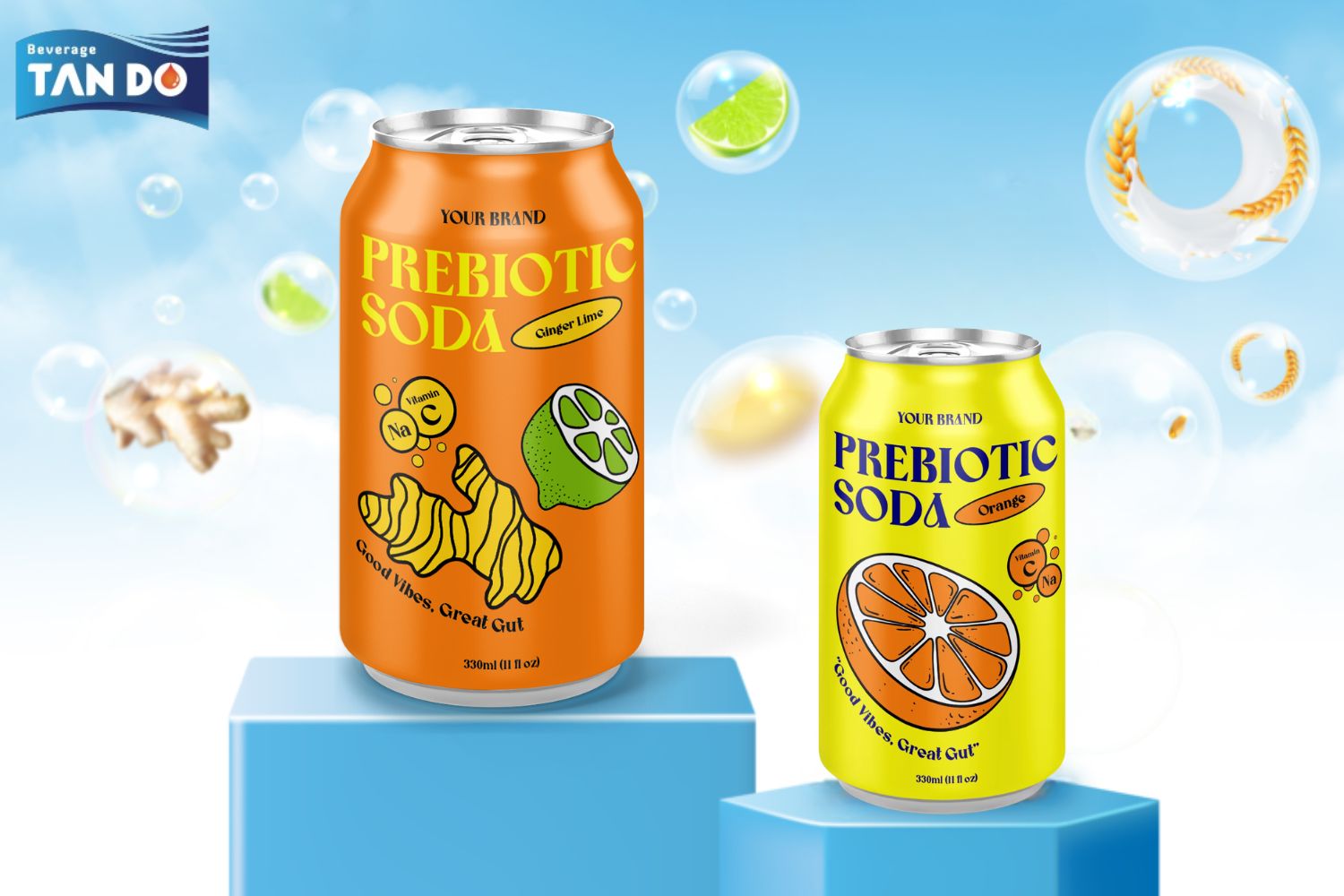
At Tan Do Beverage, we support brands through:
- Customized prebiotic drink formulation
Flavor development aligned with market trends
Pilot batch testing and product optimization
Flexible packaging options
Scalable mass production
Export-ready quality and compliance standards
With the right manufacturing partner, brands can launch innovative functional beverages faster and compete more effectively in global markets.
Sum up
Prebiotic beverages are more than a short-term trend. They reflect a broader shift toward digestive wellness, lower sugar choices, and convenient functional drinks. For brands, the opportunity is clear — but success depends on balancing science, taste, and scalable production.
By focusing on credible formulations, appealing flavors, and responsible communication, beverage companies can build long-term growth in this fast-evolving functional category.