Matcha green tea bubble tea is quickly becoming a standout trend in the global ready-to-drink market. By blending premium Japanese matcha with the fun, modern appeal of bubble tea, this drink perfectly matches today’s demand for healthier and visually appealing options.
For B2B brands, it’s a great way to diversify product lines, attract younger consumers, and tap into high-margin opportunities. Curious why matcha green tea bubble tea is booming? Read the full article to find out!
What is Matcha Boba Tea?
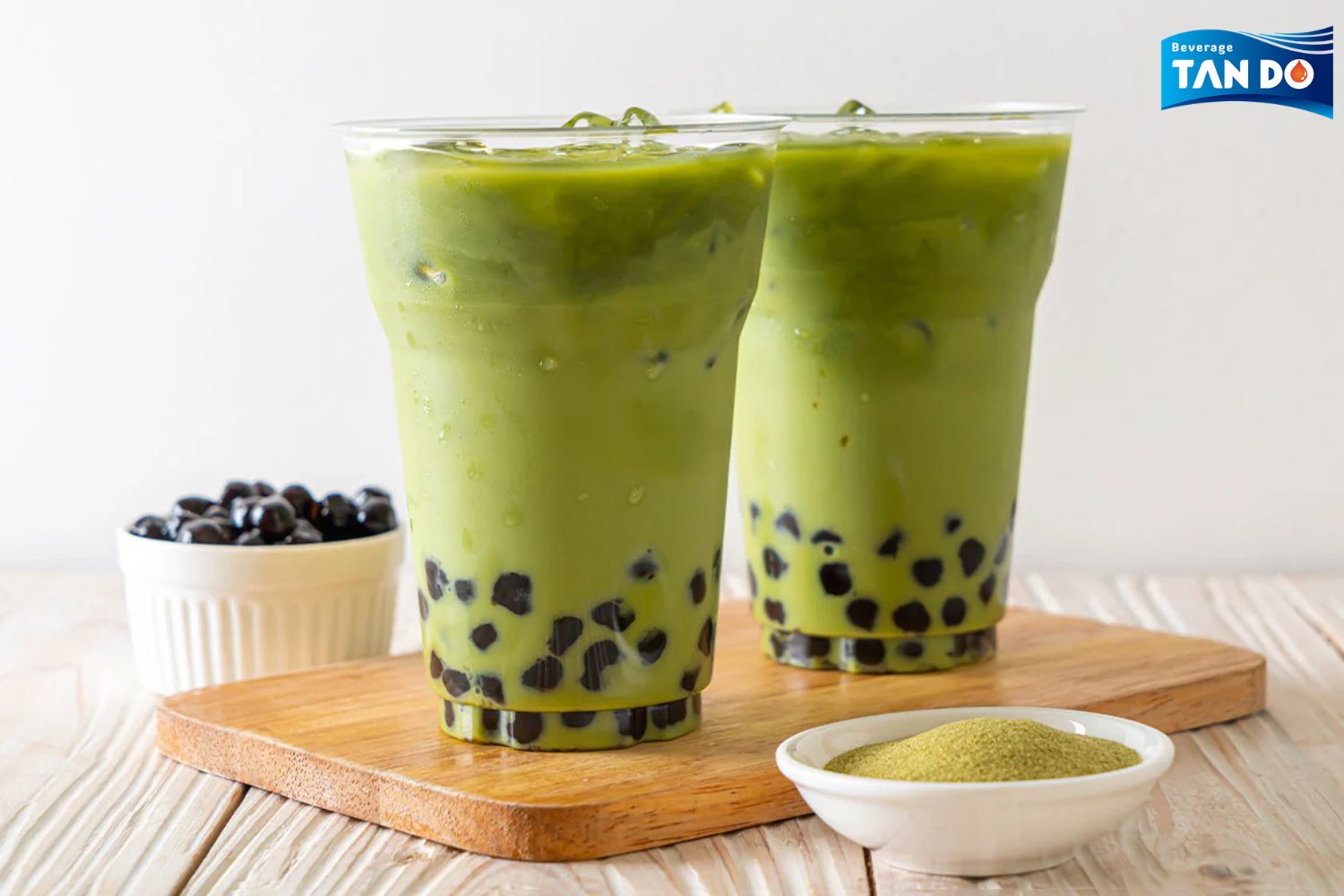
Matcha green tea bubble tea, also commonly referred to as matcha boba tea, is a modern specialty beverage that combines finely milled Japanese matcha green tea with chewy tapioca pearls (known as boba) and a creamy base of dairy or plant-based milk.
Unlike traditional brewed green tea, consumers drink matcha in its whole form. They ingest the entire ground tea leaf, resulting in a more concentrated flavor and nutrient profile.
The drink typically balances the earthy, slightly bitter-sweet taste of matcha with the smooth, velvety texture of milk, and the playful, chewy bite of tapioca pearls, creating a multi-sensory drinking experience that appeals to both casual tea drinkers and dedicated boba fans.
The Origin of Matcha and Bubble Tea: A Cross-Cultural Fusion
The Ancient Roots of Matcha
Matcha’s story dates back over 1,200 years to 9th-century China, where Buddhist monks brewed powdered tea as part of their meditation rituals. The practice was later introduced to Japan by the Zen monk Eisai, who is credited with founding the Japanese tea ceremony tradition.
Over centuries, Japanese tea masters refined the process of growing, harvesting, and processing matcha. Tea plants are shaded from direct sunlight for 20–30 days before harvest to boost chlorophyll and amino acid content. They are then steamed immediately after picking to preserve color and nutrients, dried, and finally stone-ground into an ultra-fine powder.
Today, Uji, a region in Kyoto, Japan, is a gold standard for premium matcha production, with strict quality controls and generations of artisanal production expertise.
The Birth of Bubble Tea
Bubble tea, by contrast, is a far more modern invention, originating in the 1980s in Taichung, Taiwan. Local tea shop owner Lin Hsiu Hui is credited with the original idea, when she added leftover tapioca pearls (traditionally used in sweet desserts) to a cup of iced tea as a fun, textural addition.
The drink quickly gained popularity across Taiwan. It spread to other parts of Asia in the 1990s, then expanded globally in the early 2000s. What started as a simple street drink has grown into a global cultural phenomenon. Today, it features dedicated boba shops, fan communities, and annual bubble tea festivals around the world.
The Fusion That Created Matcha Bubble Tea
Specialty beverage shops first developed matcha bubble tea recipes in the early 2010s. They experimented with blending traditional Japanese matcha with Taiwanese bubble tea formats.
The combination quickly became a hit. It blended matcha’s refined, health-focused image with the fun, shareable appeal of boba tea. Over the next decade, the trend spread from major cities in the U.S., Europe, and Australia to emerging markets across Southeast Asia, Africa, and South America. It became a staple on menus at cafes, quick-service restaurants, and convenience stores.
Key Ingredients in Matcha Green Tea Bubble Tea
Premium Matcha Powder
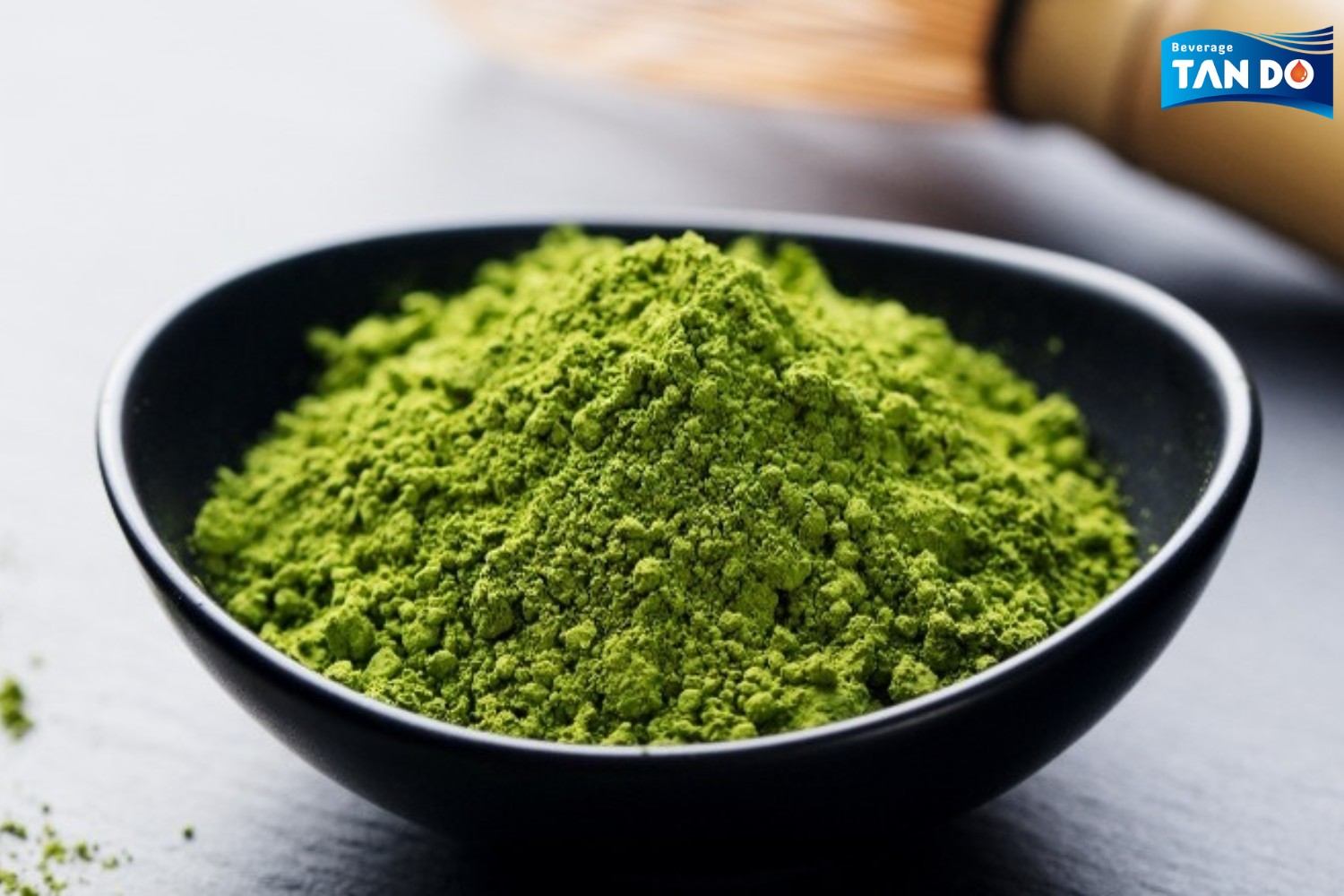
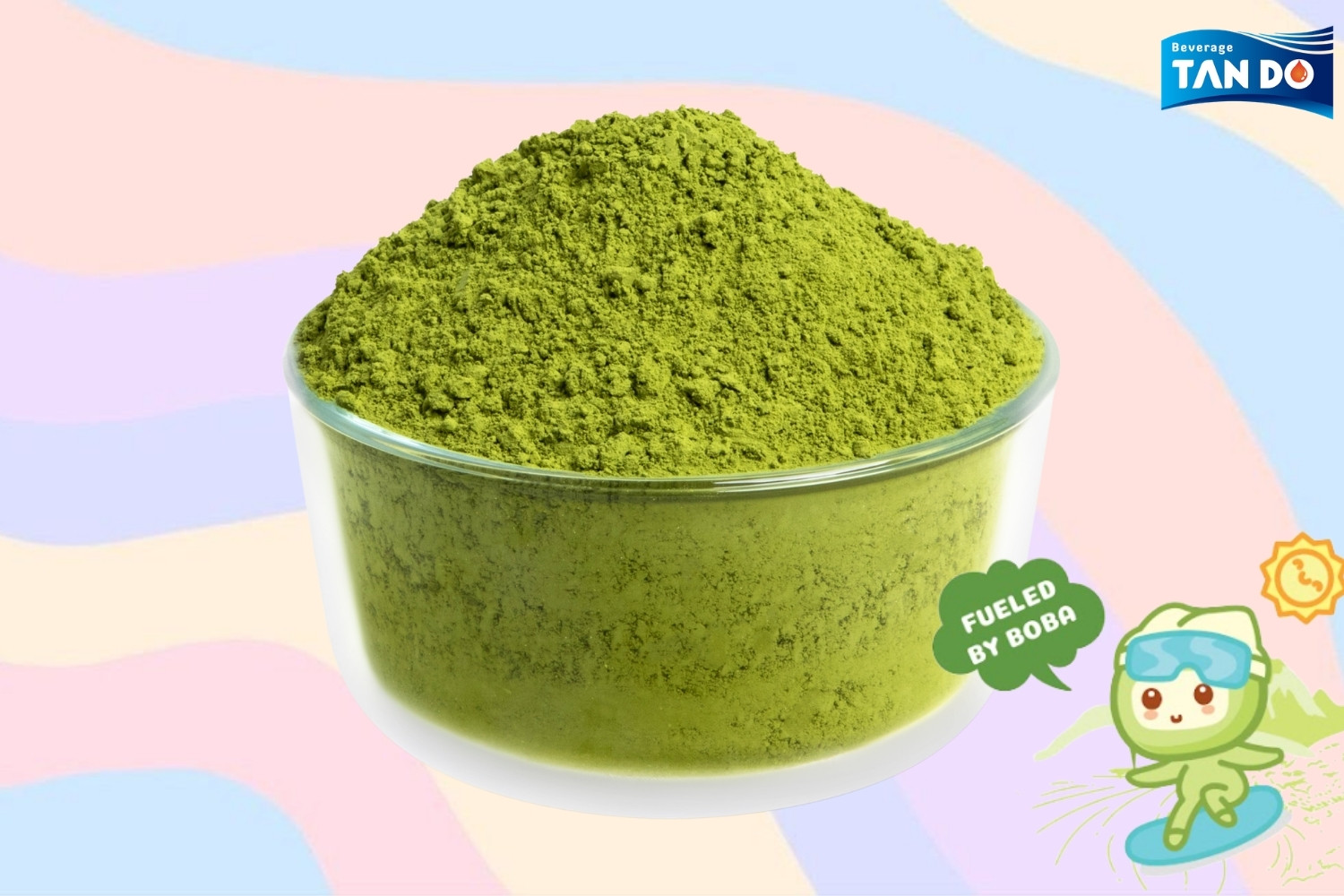
The foundation of any high-quality matcha bubble tea is premium-grade matcha powder. The quality of the matcha directly impacts the flavor, color, and consumer perception of the final beverage. The three main grades of matcha used in beverage production are:
- Ceremonial grade: The highest quality matcha, made from the youngest, most tender tea leaves, with a bright green color, smooth earthy flavor, and minimal bitterness. Ideal for premium specialty drinks and lattes.
- Culinary grade: A more affordable option with a slightly stronger, more bitter flavor, perfect for blended drinks, frozen desserts, and baked goods where the matcha taste is paired with sweet or creamy ingredients.
- Industrial grade: A budget-friendly matcha option used for mass-produced ready-to-drink beverages, where flavor and color are standardized for consistent batch production.
Tapioca Pearls (Boba)
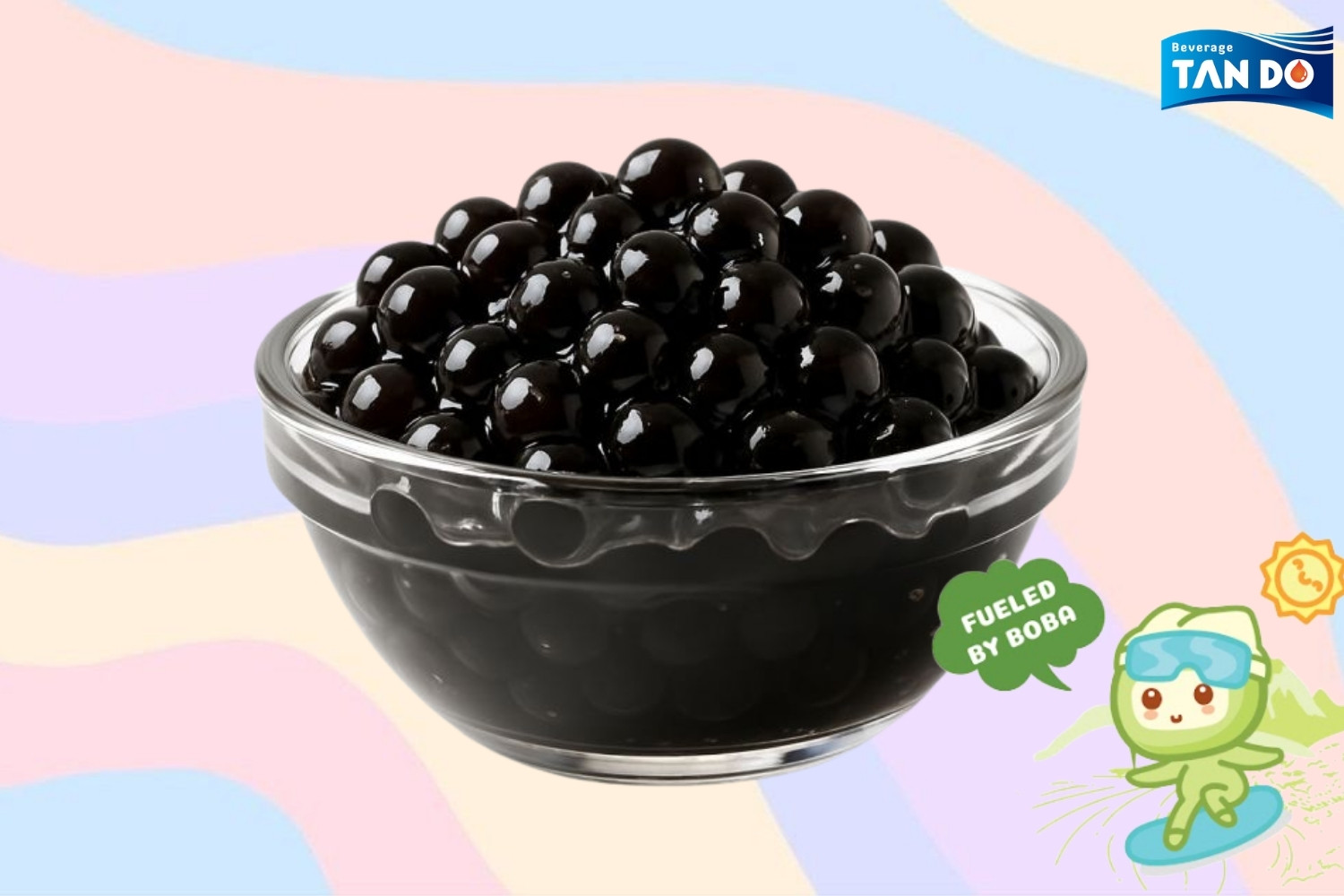
Tapioca pearls are the signature textural element of bubble tea, made from the starch of the cassava root. For B2B clients, choosing the right tapioca pearls is key to delivering a consistent, enjoyable product. Common pearl options include:
- Large black pearls: The classic 10mm boba, with a chewy, elastic texture that holds up well in iced or hot drinks
- Small white pearls: A sweeter, softer alternative that dissolves slightly faster than black pearls
- Flavored pearls: Infused with matcha, taro, or brown sugar to add an extra layer of flavor to the beverage
- Popping pearls: A fun, burstable alternative to traditional tapioca pearls, filled with fruit juice or flavored syrup
Cream and Sweetener Bases
The cream and sweetener components of matcha bubble tea can be adjusted to suit different consumer preferences and market demands. Popular options for B2B production include:
- Whole milk or condensed milk: Creates a rich, creamy base that balances the bitterness of matcha
- Plant-based milks: Oat milk, almond milk, and coconut milk are increasingly popular for vegan and lactose-free product lines
- Liquid sweeteners: Fructose syrup, brown sugar syrup, honey, or low-calorie sweeteners like stevia to control sweetness levels without adding granular sugar
Health Benefits of Matcha Green Tea Bubble Tea
Concentrated Nutrient Profile of Matcha
Unlike brewed green tea, which only extracts a small portion of the tea leaf’s nutrients, matcha contains the full spectrum of compounds found in the entire tea leaf. The key health benefits of matcha include:
- High levels of EGCG: A powerful antioxidant that is 137 times more concentrated in matcha than in regular brewed green tea, according to the U.S. Department of Agriculture. EGCG has been linked to reduced inflammation, improved heart health, and reduced risk of certain cancers.
- L-theanine amino acid: A unique compound that promotes calm, focused alertness without the jittery side effects of caffeine. When paired with matcha’s natural caffeine, L-theanine creates a sustained energy boost that lasts for 3-6 hours.
- Vitamins and minerals: Matcha contains vitamin C, vitamin K, folate, potassium, and manganese, all of which support overall immune and bodily function.
Balanced Health Benefits of Matcha Bubble Tea
When paired with the other ingredients in bubble tea, matcha delivers a balanced beverage that offers both functional health benefits and enjoyable sensory experience.
For consumers, matcha bubble tea is a better alternative to sugary sodas and artificially flavored energy drinks. It provides natural caffeine, antioxidants, and a satisfying texture. When properly formulated by B2B manufacturers, it avoids excessive added sugar.
Targeted Health Messaging for B2B Clients
For B2B partners, highlighting the health benefits of matcha bubble tea can help differentiate your product from competitors. Marketing angles that resonate with conscious consumers include:
- Gluten-free and vegan options: Made with plant-based milks and gluten-free tapioca pearls
- Low-calorie and low-sugar formulations: Using reduced-calorie sweeteners and natural ingredients
- Functional beverage variants: Adding adaptogens, collagen, or protein to create targeted health-focused drinks
Business Opportunities in Matcha Bubble Tea: Why Your Brand Should Invest
Rapid Global Market Growth
According to Grand View Research, the global bubble tea market is projected to reach over $8 billion by 2033, while the matcha tea market is expected to grow steadily. Key factors include:
- Rising demand for functional beverages: Consumers are increasingly willing to pay premium prices for drinks that offer health benefits beyond basic hydration
- Social media-driven popularity: Matcha green tea bubble tea’s bright green color and shareable texture make it a viral hit on Instagram, TikTok, and other social platforms, driving organic word-of-mouth marketing
- Expansion into new markets: The trend has spread beyond major cities in North America and Europe to emerging markets in Southeast Asia, the Middle East, and Latin America, where disposable incomes are rising and demand for specialty beverages is growing
High Profit Margins for B2B Manufacturers
Matcha green tea bubble tea typically delivers higher profit margins than traditional brewed tea or soda. This comes from its premium pricing and relatively low production costs.
For B2B partners, it means stronger returns on investment. This is especially true when producing private label or custom formulations for foodservice operators and retail brands.
Versatility Across Multiple Sales Channels
Matcha bubble tea can fit nearly every sales channel, making it a versatile addition to any beverage product portfolio:
- Specialty boba cafes: The largest sales channel for matcha bubble tea, with dedicated shops offering custom formulations and toppings
- Quick-service restaurants (QSRs) and fast-casual dining: A popular menu add-on for cafes, burger joints, and Asian fusion restaurants
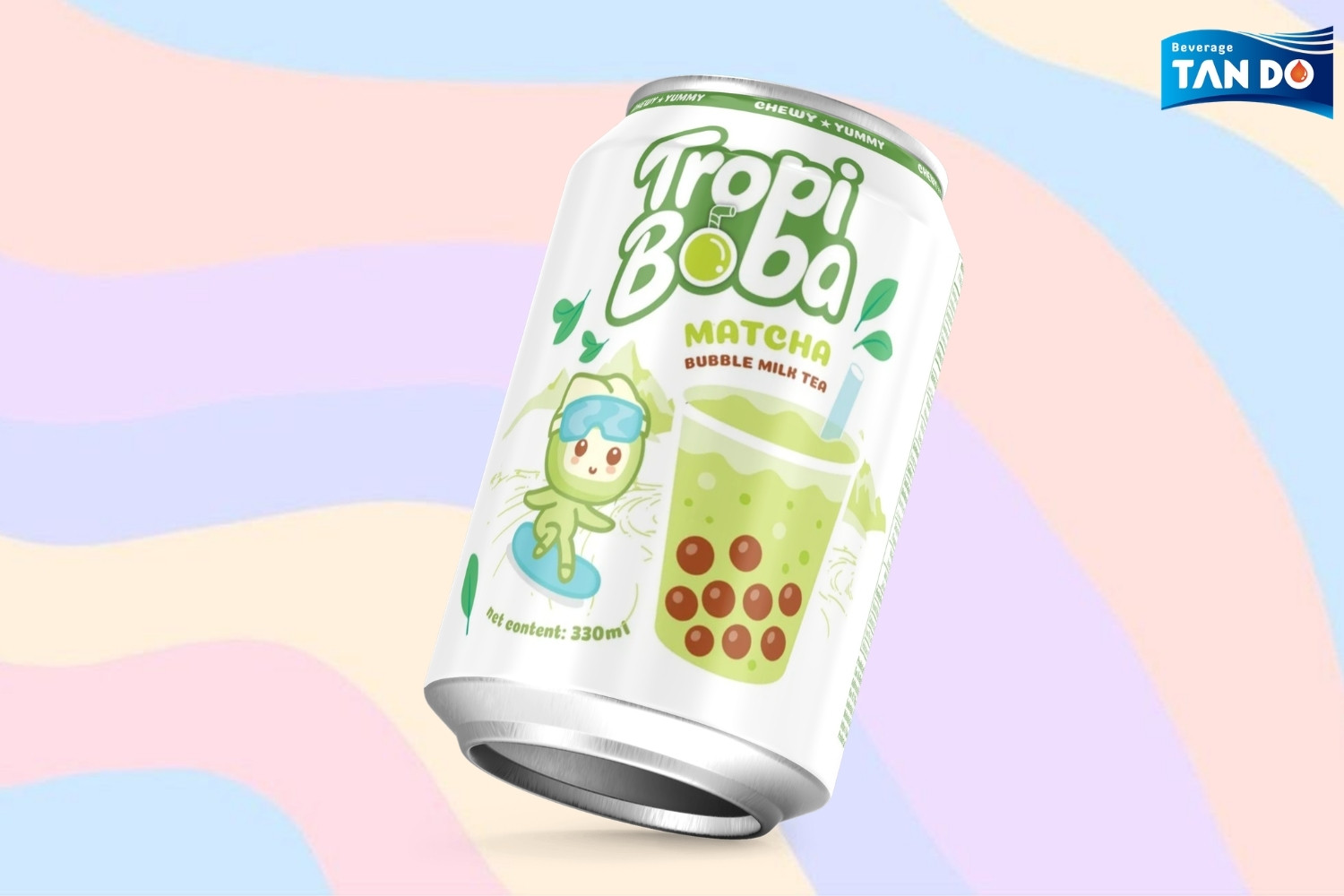
- Convenience stores and gas stations: Ready-to-drink matcha bubble tea in single-serve bottles or cans is a fast-growing segment for on-the-go consumers
- Grocery stores and supermarkets: Private label matcha bubble tea powder and mix kits allow consumers to make the drink at home
Brand Differentiation and Customer Loyalty
Adding matcha bubble tea to your product line helps your brand stand out in a crowded market. It attracts younger, more discerning consumers and supports long-term customer loyalty. Many consumers visit boba shops and buy matcha bubble tea weekly or even daily. This creates strong recurring revenue streams for B2B partners.
Partner with Us to Create Premium RTD Matcha Boba Tea!
For businesses looking to launch high-quality matcha green tea bubble tea, Tan Do Beverage offers a streamlined, end-to-end development process tailored to every target market.
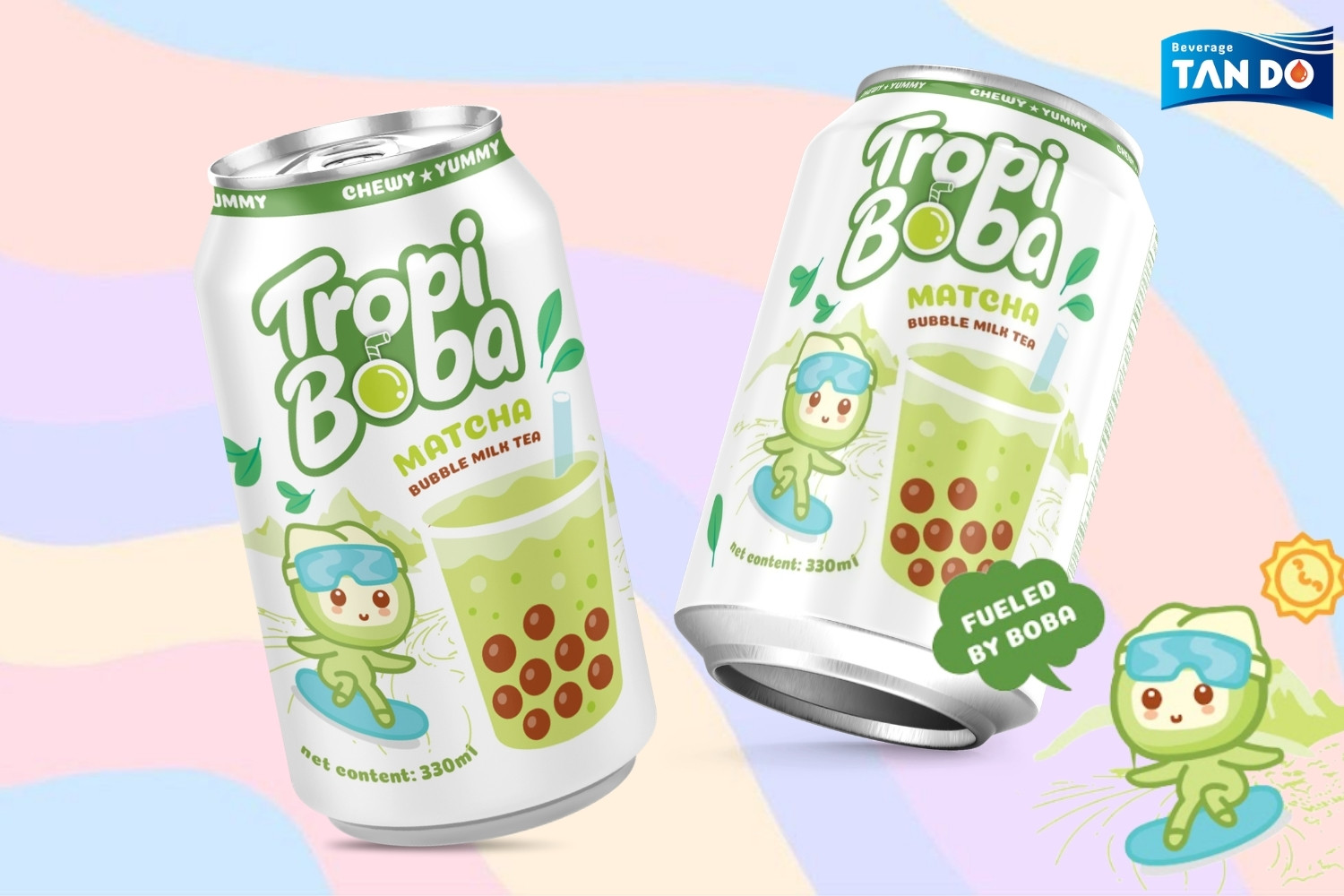
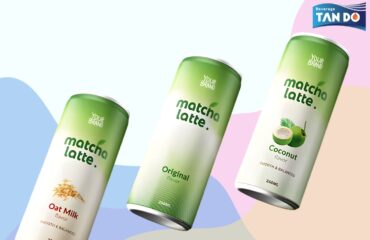
Our R&D team develops customized formulations that balance matcha flavor, milk base, and regional taste preferences while ensuring product stability and consistency. We provide flexible packaging solutions, with aluminum cans as the most popular choice. Let’s bring your premium RTD matcha latte to life — Start your product journey with Tan Do Beverage!