Mangosteen benefits are gaining attention as more research highlights the health potential of mangosteen (Garcinia mangostana). Known as the “Queen of Fruits,” mangosteen is a tropical fruit native to Southeast Asia. It is sweet, slightly tangy taste and nutrient-rich profile.
In recent years, researchers have studied mangosteen for its antioxidant, anti-inflammatory, and metabolic effects. This blog will break down what science actually supports, using evidence from academic studies and health research.
What Makes Mangosteen Unique?
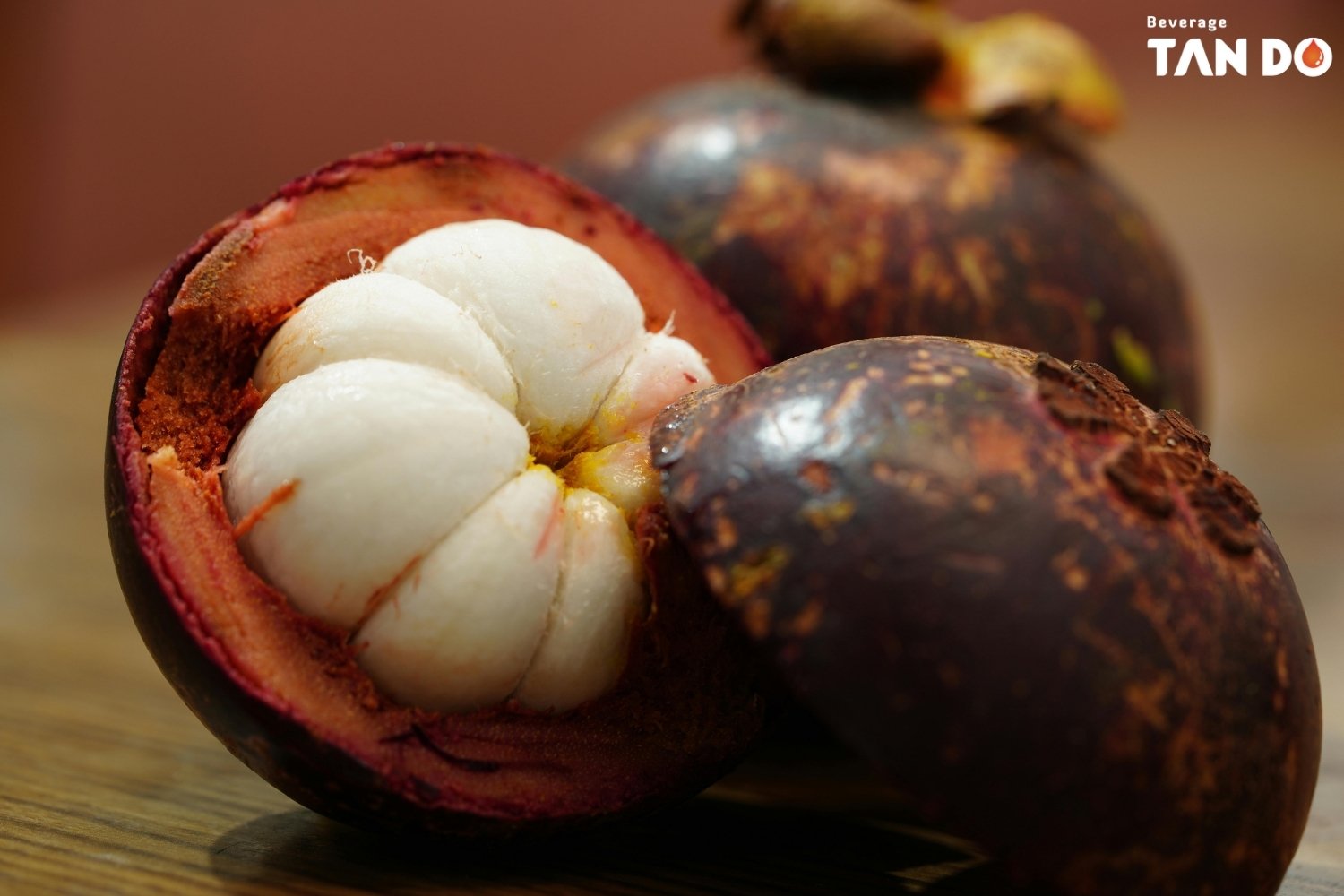
What makes mangosteen stand out is its high content of xanthones, which are powerful plant compounds rarely found in common fruits. These xanthones, especially alpha-mangostin and gamma-mangostin, are mainly found in the fruit’s purple rind but also appear in smaller amounts in the edible flesh.
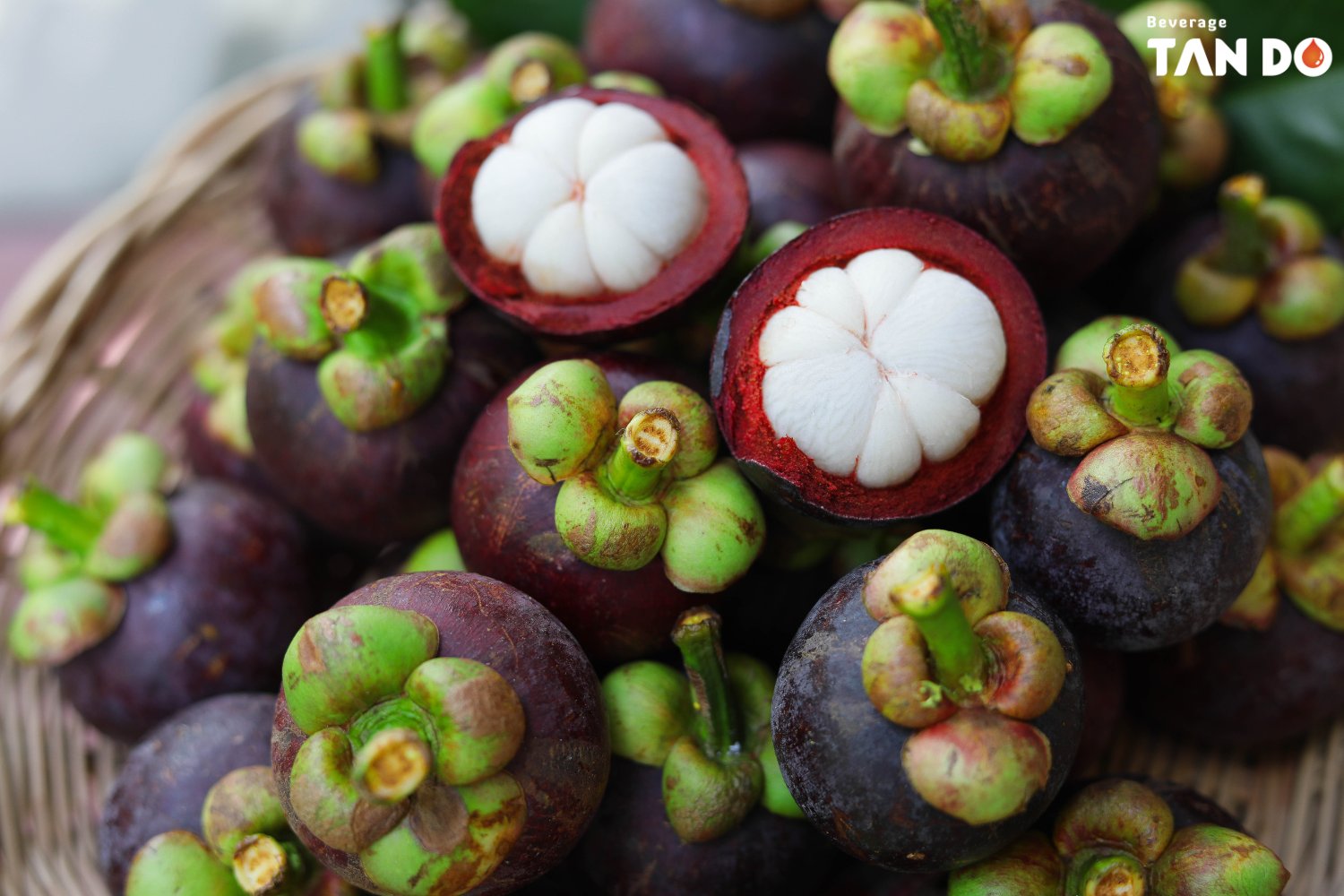
Scientific analysis confirms that mangosteen contains a rich mix of natural antioxidants, including phenolic compounds and flavonoids, which help protect cells from damage caused by oxidative stress .
In simple terms: mangosteen is packed with bioactive compounds that actively interact with the body, not just basic vitamins or sugars.
The Nutritional Profile of Mangosteen
While mangosteen is not extremely high in calories or protein, it provides a broad spectrum of vitamins, minerals, fiber, and bioactive compounds.
According to nutrition data, a 1-cup (approximately 196-gram) serving of canned, drained mangosteen contains:
- Calories: 143
- Carbohydrates: 35 g
- Fiber: 3.5 g
- Vitamin C: ~6% DV
- Folate (Vitamin B9): ~15% DV
- Thiamine (B1): ~9% DV
- Riboflavin (B2): ~8% DV
- Copper: ~15% DV
- Manganese: ~9% DV
- Magnesium: ~6% DV

These vitamins and minerals in mangosteen fruit offer multiple benefits in immune function, energy metabolism, DNA and cell production, wound healing, and nerve signaling, making mangosteen a nutrient-dense option despite its relatively low calorie count .
Additionally, the diet tends to be low in fiber for many people; one cup of mangosteen provides nearly 12.5% of the daily value for fiber, which contributes to gut health and digestion.
6 Mangosteen Benefits Backed by Science
1. Powerful Antioxidant Protection
One of the most robust findings in academic research is mangosteen’s antioxidant capacity. Both fruit extracts and isolated xanthones demonstrate strong free-radical scavenging activity in multiple experimental systems.
For example, extracts from mangosteen leaves, rinds, and branches show high antioxidant activity when tested with standard assays (DPPH and CUPRAC), with results strongly correlated to their phenolic content.
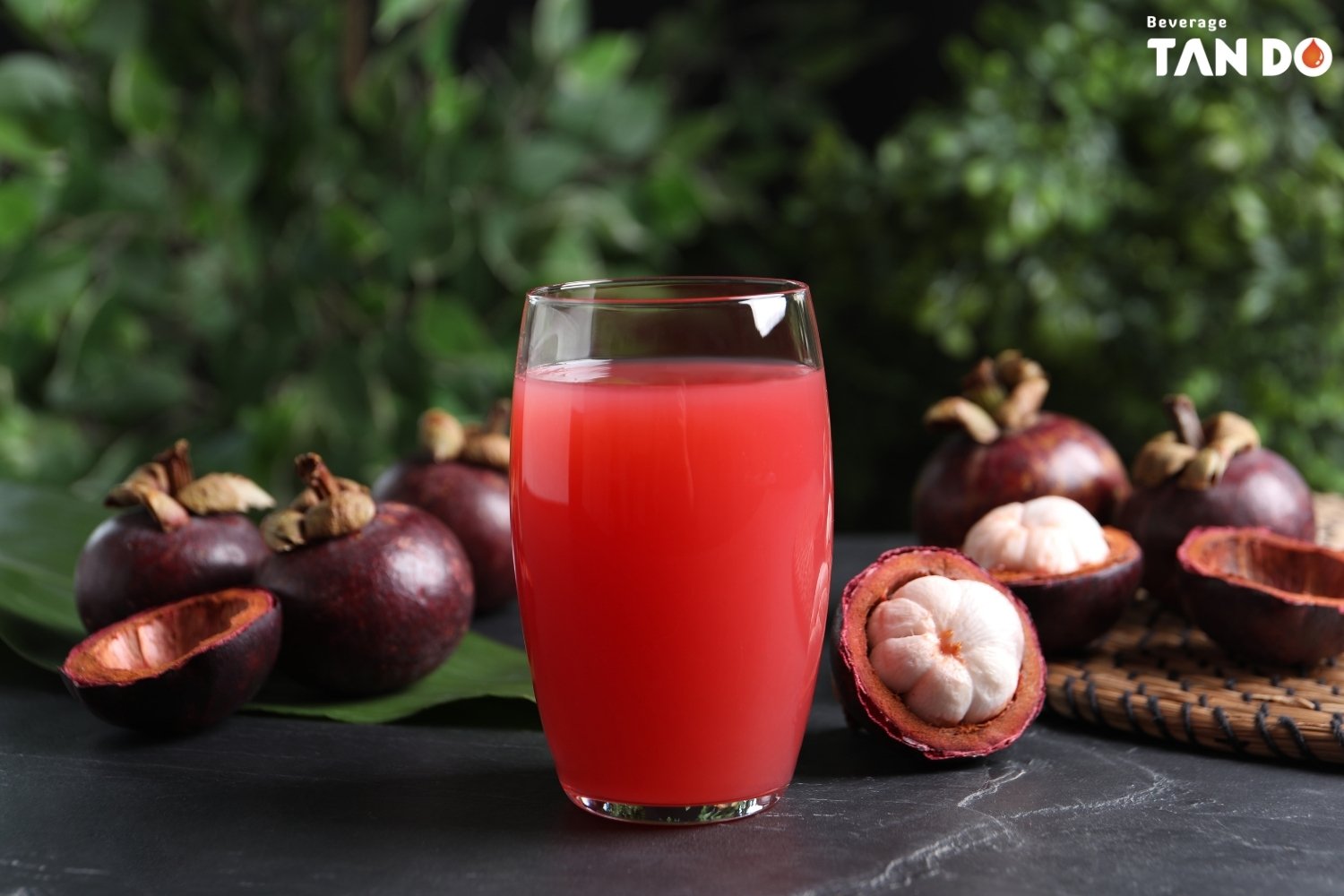
In a human clinical trial, daily consumption of a mangosteen-based beverage for 30 days significantly increased plasma antioxidant capacity by about 15% compared with a placebo, and also reduced levels of C-reactive protein (CRP), a marker of systemic inflammation — without adverse effects on liver or kidney function.
These findings suggest that mangosteen’s antioxidant effects are not limited to cell culture models; they may translate into measurable biological effects in humans.
2. Anti-Inflammatory Benefits
Chronic inflammation is linked to many long-term health problems, including metabolic and neurological disorders. Research on the anti-inflammatory benefits of mangosteen shows that this tropical fruit contains natural compounds that may help reduce inflammation in the body.
Studies using murine macrophage cells (RAW 264.7 macrophages) found that key mangosteen compounds, such as alpha-mangostin and gamma-mangostin, can lower the production of nitric oxide and other inflammatory substances when inflammation is triggered.
Animal research supports these findings. In diabetic rat models, extracts from mangosteen peel significantly reduced major inflammatory markers, including IL-6 and TNF-α. At the same time, they increased the activity of the body’s own antioxidant enzymes, helping cells better protect themselves.
A systematic review of neuroprotective studies reported that mangosteen extracts and xanthones consistently reduced inflammation and oxidative stress. TThese effects link closely to key inflammation pathways, including NF-κB and COX-2, which play an important role in chronic inflammation.
3. Metabolic Health and Obesity-Related Effects
Metabolic disorders like obesity and type 2 diabetes are driven in part by oxidative stress and inflammation. Preclinical evidence indicates that mangosteen and its constituents may influence metabolic health markers.
Animal studies show that mangosteen extract, alone or in combination with other botanical extracts such as curcumin, can reduce oxidative stress, improve glucose metabolism, and ameliorate features of dyslipidemia in high-fat diet-induced obese rats.
Another review on the anti-obesity activity of xanthones suggests that these compounds may exert anti-adipogenic effects — potentially reducing fat accumulation and associated metabolic dysfunctions — though mechanisms are not yet fully established.
4. Potential Anti-Cancer and Chemopreventive Activity
While human clinical evidence is limited, a substantial body of in vitro and animal research supports a potential anticancer role for mangosteen xanthones. Scientific literature often highlights these findings when discussing the broader benefits of mangosteen.
Preclinical studies show that xanthones can slow cancer cell growth and trigger cell death in several tumor models, including breast, gastric, colorectal, and liver cancers. These effects are linked to their ability to reduce oxidative stress, support detoxification pathways, and regulate key cancer-related signaling processes.
These effects highlight the chemopreventive potential of mangosteen bioactives, although translation to clinical practice requires robust human research.
5. Cardiometabolic Biomarkers and Liver Protection
Beyond metabolic syndrome, research also suggests broader systemic benefits. Studies using obese rodents show that mangosteen supplementation can increase antioxidant enzyme activity (e.g., superoxide dismutase) and reduce lipid markers like LDL cholesterol and triglycerides, potentially indicating cardioprotective properties.
Certain xanthone derivatives also protect the liver. They boost antioxidant defenses such as glutathione and SOD and help regulate stress-response pathways like NRF2 in cell models.
6. Neuroprotective Potential: Stress and Inflammation Modulation
Oxidative stress and long-term inflammation play a major role in neurodegenerative diseases.
A systematic review of studies on mangosteen and its xanthones found consistent reductions in oxidative damage and inflammatory markers in neuroinflammation models. These findings suggest potential neuroprotective effects that may be relevant to conditions such as Alzheimer’s disease, although human studies are still limited and needed to confirm these benefits from mangosteen.
Animal models of diabetes-related cerebral inflammation also show that mangosteen pericarp extract lowered inflammatory markers and enhanced antioxidant activity in brain regions affected by disease.
Safety, Side Effects, & Precautions
Mangosteen fruit itself is generally safe for most people when consumed as part of a balanced diet. However, concentrated supplements or extracts may carry risks.
According to medical sources:
- Mangosteen may cause digestive side effects such as constipation, nausea, bloating, or diarrhea in some people .
- Compounds in mangosteen may slow blood clotting, which could be problematic for individuals with bleeding disorders or those taking blood-thinning medications .
- Safety in pregnancy and breastfeeding is not well studied, so caution or avoidance is often advised .
As with any supplement or diet change, it’s best to consult a healthcare professional, especially if you have a medical condition or take medication.
How to Eat Mangosteen
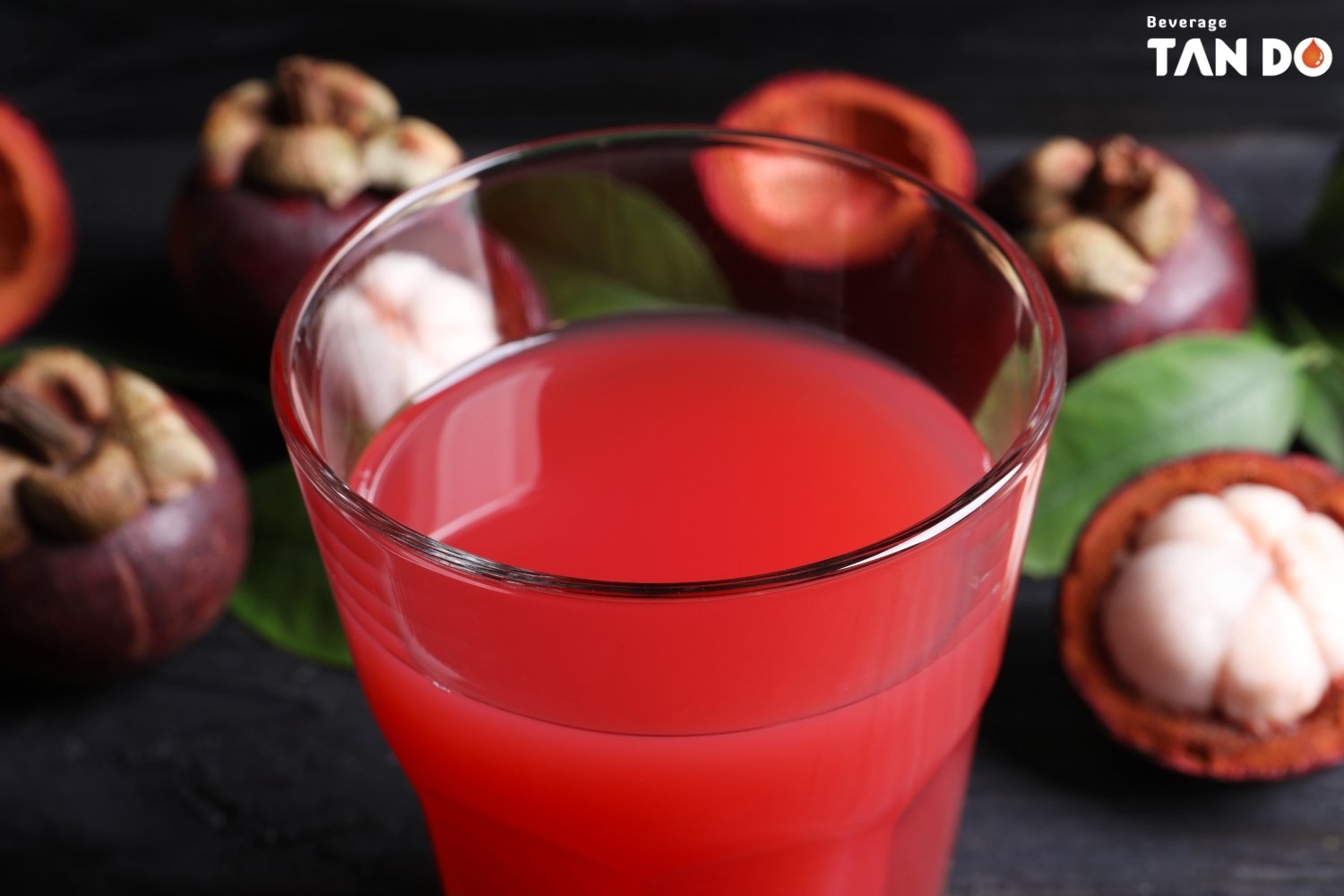
You can eat mangosteen fresh, blend it into smoothies or juices, add it to salads, or consume it in powder or extract form. To eat fresh:
- Look for fruit with a smooth, deep purple rind.
- Slice around the fruit gently with a knife.
- Open and remove the juicy white segments inside — these are sweet and edible .
Frozen and canned mangosteen is easier to find in many regions, but added sugars may reduce its health benefits.
Conclusion
Mangosteen is a tropical fruit rich in nutrients, fiber, and unique bioactive compounds. Many mangosteen benefits are linked to its high content of xanthones, which have been widely studied for their antioxidant and anti-inflammatory effects. Early research also suggests potential support for metabolic health. Although more large-scale human studies are still needed to confirm these findings.
Enjoyed fresh or as part of beverages and balanced meals, mangosteen can be a flavorful, nutritious addition to a health-focused diet. Its rich phytonutrient content complements the modern consumer’s desire for natural, plant-based foods with functional value
You may also like:
Unlock the Powerful Grape Juice Benefits for Overall Health
Top 10 Apple Juice Benefits You Should Know