


According to ScienceDirect, its naturally high acidity (pH 2–3), abundant vitamin C, and antimicrobial properties make it a powerhouse for both flavor and function.
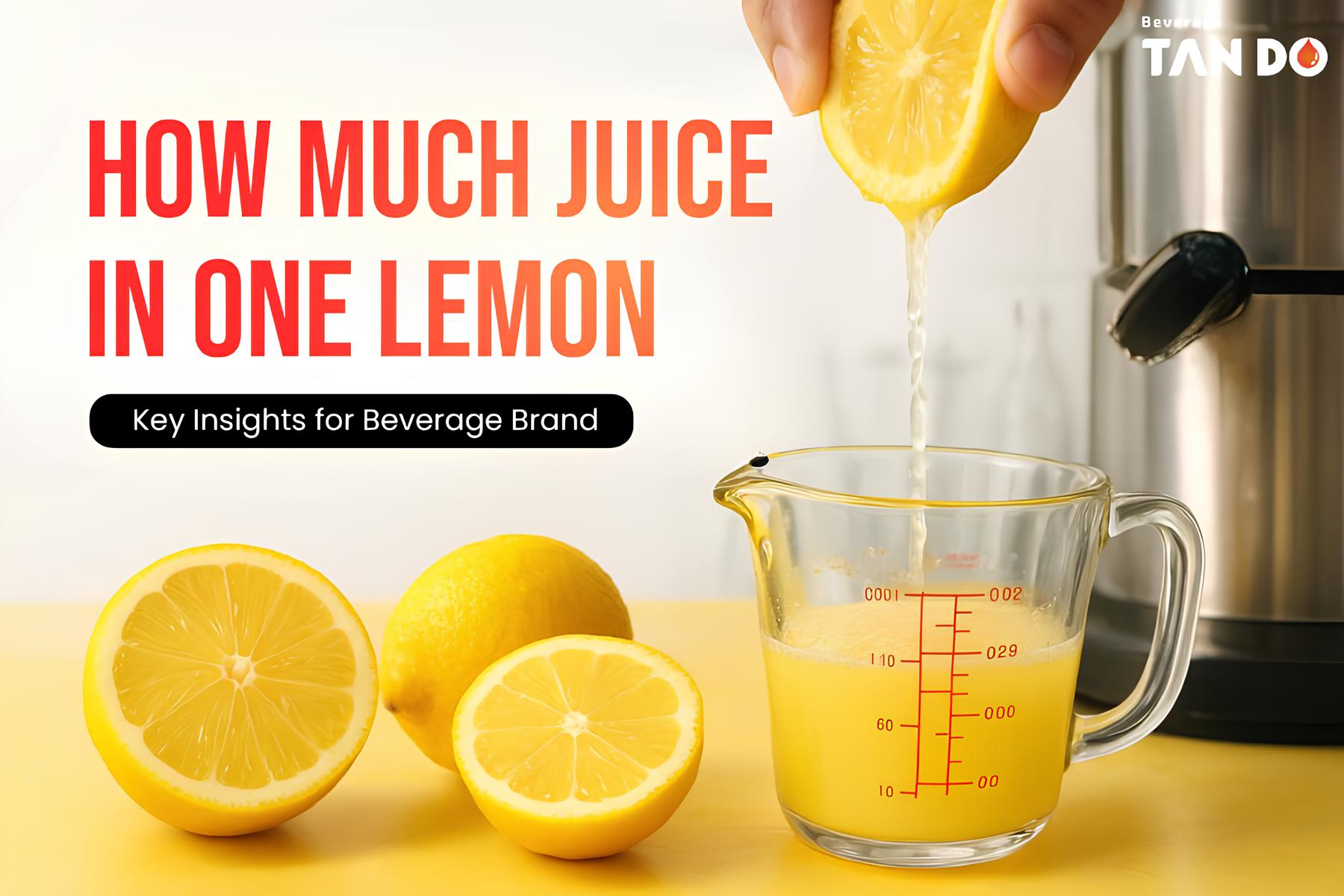
Updated on 08/10/2025
How Much Juice in One Lemon: Key Insights for Beverage Manufacturers
How much juice in one lemon — it sounds simple, but the answer can vary more than you’d think. Lemons aren’t uniform; their size, juiciness, and even temperature all affect how much juice they yield. For beverage manufacturers, these differences matter.
In this guide, we’ll explore how much juice is in one lemon, what impacts yield, and why understanding this can help brands improve consistency, efficiency, and product quality in beverage production!
Why “One Lemon” Matters More Than You Think
When it comes to lemons, no two are exactly the same. To define how much juice in one single lemon, we need to consider factors like size, juiciness, ripeness, and even temperature — all of which can significantly affect how much juice you get from each fruit.
For everyday consumers, that might not matter much. But for beverage brands, juice manufacturers, and distributors, those differences can make a real impact — on flavor consistency, production costs, and raw material efficiency.

Every liter of lemon juice you produce depends on how efficiently you extract, source, and standardize your fruit. Even small variations can influence:
- Raw material costs (fewer lemons = lower input cost)
- Production consistency (stable acidity, flavor, and color)
- Supply chain efficiency (accurate sourcing and forecasting)
For consumers, a few drops don’t make a difference. But for you — the manufacturer, distributor, or private label brand — every lemon counts.
How Much Juice in One Lemon: Quick Facts for Beverage Brands
On average, a medium lemon yields about 30–45 ml of juice — that’s roughly 2–3 tablespoons. Larger lemons can deliver up to 60 ml, while smaller ones might give you 25 ml or less.
This may sound minor — until you scale it up. When producing thousands of liters of lemon juice or blended beverages, that variation could represent hundreds of extra lemons and significantly higher sourcing costs. According to Goodnature, juice yield can vary by lemon size:
To make 1 cup (240 ml) of lemon juice, you’ll need about:
- 4 large lemons
- 5 medium lemons
- 8 small lemons

These values can vary depending on size and pressing technique. Meanwhile, Honest & Rare reports yields ranging between 45–70 ml per fruit, depending on ripeness and variety.
What Affects Lemon Juice Yield?
The juice content of lemons is influenced by several factors — some natural, some operational. Knowing these helps beverage manufacturers predict output more accurately and fine-tune sourcing or processing parameters.
Fruit Size and Variety
Different lemon varieties have different juice-to-pulp ratios:
- Eureka and Lisbon lemons are the most common varieties in stores. They’re similar in juiciness but differ in rind thickness — Eurekas have a slightly thicker peel.
- Meyer lemons, on the other hand, are smaller, sweeter, and less acidic. They yield less juice per fruit but offer a floral, gourmet flavor.
Ripeness
The ripeness level will determine how much lemon juice will be extracted in one lemon.
The ripeness level at harvest can determine up to a 20% difference in juice yield. Ripe lemons (bright yellow, slightly soft) have higher fluid content, while underripe fruit contains tougher fibers and less extractable juice.
Commercial suppliers usually classify lemons by ripeness grade to maintain consistency in extraction and sensory quality.
Temperature & Handling
Cold lemons (below 10°C) tend to yield less juice because their internal membranes stiffen, making it harder for liquid to flow. Industrial producers often warm lemons gently before pressing to loosen the pulp and improve flow — a technique also noted by Goodnature.
Rolling lemons under gentle pressure or preheating them slightly can increase yield by 15–20% compared to cold fruit.
Why Juice Yield Matters for Beverage Manufacturing
For B2B beverage companies, “how much juice is in one lemon” isn’t just a fun fact — it’s a key part of cost control and quality assurance:
- Product Consistency: Consumers expect every bottle of lemon drink to taste the same. Consistent juice yield ensures uniform Brix levels, acidity, and flavor balance across batches.
- Profit Margins: When working with bulk raw materials, even a 5% change in juice yield can affect cost margins across thousands of liters. Precise yield forecasting helps optimize both purchasing and production costs.
- Supply Chain Efficiency: Reliable suppliers with standardized extraction processes allow manufacturers to plan logistics and production more efficiently — especially important for exporters and OEM partners operating in multiple markets.
- Sustainability & Waste Reduction: Better extraction efficiency means less fruit waste. For eco-conscious brands, this directly contributes to sustainability targets and lower carbon footprints per liter of beverage produced.
Tips to Get the Most Juice in One Lemon
Maximizing lemon juice yield isn’t just about pressing harder — it’s about understanding the science behind the fruit.
According to food science research published on ScienceDirect, juice extraction efficiency depends on factors like cell structure, pH, and processing temperature. Here’s how to make every drop count:
- Use room-temperature lemons: Cold fruit reduces juice flow because its cell membranes tighten. Allowing lemons to reach around 20–25°C before extraction softens the tissue and improves liquid release.
- Roll before juicing: Gently rolling the lemon on a countertop breaks down internal membranes, which can increase juice yield by up to 20%.
- Pre-cut smartly: Cutting across the equator (not lengthwise) exposes more juice sacs, leading to better extraction with mechanical or manual juicers.
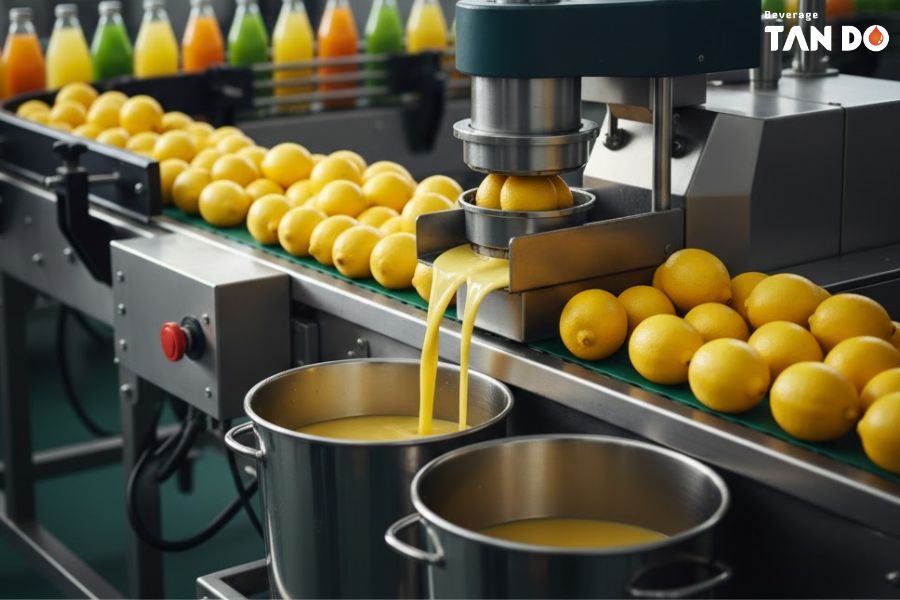
- Apply consistent pressure: Industrial reamers or pneumatic presses maintain uniform force, ensuring maximum yield without damaging flavor compounds.
Avoid over-extraction: Excess pressure can release bitter limonoids from the peel and albedo. Controlled juicing keeps the flavor bright, clean, and ideal for beverages. - Filter strategically: Fine filtration or centrifugation enhances clarity and reduces sediment — a key step for premium lemon beverages and concentrates.
In large-scale juice production, these small details translate into measurable gains — higher yield, better flavor consistency, and lower raw material costs.
Uses for Lemon Juice in the Beverage Industry
Lemon juice is far more than a kitchen staple — it’s a cornerstone ingredient in global beverage innovation.
Here’s how lemon juice is used across the beverage industry:
- Flavor enhancer: Lemon juice adds a clean, tangy note that balances sweetness in fruit blends, carbonated drinks, and teas.
- Natural preservative: Thanks to its citric acid, it extends shelf life by inhibiting microbial growth and preventing oxidation — especially useful in RTD (ready-to-drink) juices and concentrates.
- Functional ingredient: Beyond flavor, lemon juice offers antioxidant and immune-boosting properties that appeal to wellness-focused consumers.
- pH regulator: In formulations, lemon juice helps stabilize color and texture in beverages with plant-based proteins or botanicals.
- Base for new formulations: Many brands use it as a base for low-sugar detox drinks, sparkling waters, and vitamin-enriched juice blends.
In short, lemon juice combines taste, function, and versatility — making it one of the most valuable natural ingredients for beverage manufacturers worldwide.
Partnering with Tan Do Beverage
As one of Southeast Asia’s leading private label beverage manufacturers, Tan Do Beverage provides end-to-end solutions for international partners seeking to launch or expand their lemon-based drink lines:
- Flexible MOQ (minimum order quantity) options.
- Custom flavor development and packaging design.
- Certifications for international export (FDA, HALAL GCC, HALAL JAKIM, FSSC 22000).
- Support for distributors entering new beverage categories.
By collaborating with a private label manufacturer like us, brands can focus on market growth while leaving production, certification, and export logistics to experts.

Learn more about Tan Do’s Private Label Fruit Juice Solutions and see how we turn natural ingredients into global beverage success stories.
Final Thoughts
So, now you definitely know how much juice in one lemon. It’s not just about numbers — it’s about knowing your product, your ingredients, and how to make them work smarter for your brand. Lemons represent freshness, balance, and creativity — the essence of every great beverage.
Whether you’re crafting a new juice drink or optimizing your current product line, every drop of lemon juice tells a story of precision, passion, and potential. So go ahead — slice, squeeze, and savor the zest of opportunity with Tan Do Beverage.


RELATED ARTICLES
Trophy Energy Drink: Unleash Your Inner Winner
Energy drink continues becoming one of the fastest-growing beverage categories in today’s market. Consumers now want products that feel bold, refreshing, and connected to their active lifestyles. That’s why we introduce Trophy Energy Drink, a brand-new premade formula created for OEM, ODM, and private label partners. The concept combines dynamic flavors, energetic branding, and strong […]
Tropi Smoothie Beverages: The New Wave of RTD Refreshment
Smoothie beverages are becoming a growing trend in the global beverage market as consumers increasingly look for convenient, fruit-forward, and ready-to-drink options. Inspired by this demand, Tropi Smoothie was created to deliver tropical flavors, smooth texture, and refreshing enjoyment in a modern PET bottle format. Developed by Tan Do Beverage’s R&D team, Tropi Smoothie offers […]
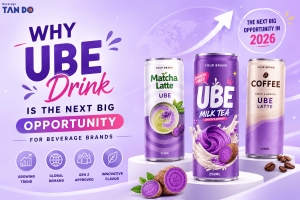
Why Ube Drink Is the Next Big Opportunity for Beverage Brands
As of May 2026, vibrant purple ube drink has gone from a regional Southeast Asian staple to a global viral phenomenon, appearing on cafe menus, grocery store coolers, and social media feeds worldwide. After years of matcha and brown sugar boba dominating beverage trend cycles, ube offers brands a sustainable, high-margin ingredient that balances social […]
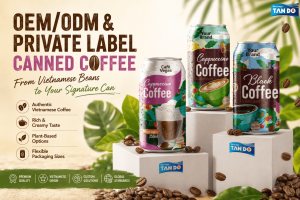
Canned Coffee Drinks: Flexible OEM & ODM Solutions for Global Markets
As global demand for convenient beverages continues to rise, canned coffee drinks have become one of the fastest-growing categories in the beverage industry. Canned Coffee Drinks offer flexible OEM and ODM manufacturing solutions for global B2B partners. In today’s fast-paced world, consumers seek convenient, flavorful, café-style beverages they can enjoy on the go. RTD coffee […]
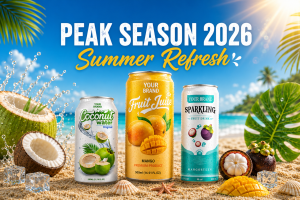
Best Summer Drinks for Peak Season Stock-Up
In 2026, the summer drinks market is defined by a combination of refreshment, functionality, visual appeal, and convenience. Summer is no longer just a seasonal sales spike, it has become a key opportunity for beverage brands to stand out and connect with consumers. So in this blog, we will explore key summer beverage consumption trends, […]

Sports Drink Market: Market Size, Trends & B2B Opportunities
The global sports drink market has grown beyond professional athletics into a fast-expanding functional beverage category driven by health-conscious consumers, fitness culture, and hydration trends. For beverage brands, importers, private label buyers, and OEM clients, understanding market size, consumer behavior, product innovation, and packaging trends is essential to staying competitive. This blog explores key market […]
No Sugar Juice Doesn’t Have to Taste Bad – Here’s Why!
Have you ever opened a bottle of no sugar juice, taken the first sip, and felt disappointed enough to stop drinking? Many consumers today share this experience when trying no sugar juice products on the market: thin taste, sharp acidity, lack of natural fruit flavor, and a quickly fading freshness. These experiences have led to […]
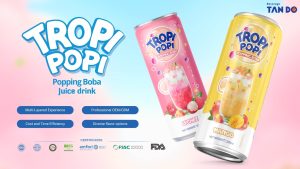
Tropi Popi Popping Boba Drink: A Burst of Tropical Delight
Great ideas often start with simple moments. Tropi Popi Popping Boba Drink was inspired by the joy of popping boba gently bursting on the tongue, releasing a wave of fruity flavor. Tan Do Beverage turned that feeling into a vibrant drink that blends tropical fruit juice with a playful texture. More than just a beverage, […]
6 Vietnamese Tea Varieties Ideal for RTD Drink Line
Vietnamese tea dates back thousands of years to the Hung Kings era, evolving from a simple daily drink into a key agricultural industry. Today, Vietnam ranks 7th globally in production and 5th in exports, supported by large cultivation areas and a well-developed supply chain. This strong foundation makes Vietnamese tea ideal for RTD beverages. So, […]
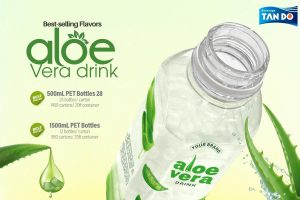
Aloe Vera Drink: List of Best-selling Flavors in 2026
In 2026, Aloe Vera drink transcended their status as an “exotic functional beverage” to become one of the fastest-growing refreshment trends worldwide. With their unique texture, clean-label appeal, and perceived health benefits, aloe drinks are now a mainstream category across Asia, Europe, and North America. This guide explores why Aloe Juice Drink are popular, a […]