In today’s fast-moving world, high caffeine drinks have become an essential part of daily life. They help people stay alert, focused, and productive throughout the day. While coffee remains a classic choice, it is no longer the only option available.
If you’re looking for a strong and effective dose of this natural stimulant, there are several beverages known for delivering a serious caffeine kick. So what drinks have the most caffeine boost today? Let’s explore!
Why caffeine drinks continue to grow
The rising popularity of high caffeine drinks reflects changing consumer habits worldwide.
- Busy lifestyles and longer working hours
- Growth of RTD coffee and functional beverages
- Increased focus on performance and productivity
- Innovation in clean-label and plant-based caffeine sources
As a result, high caffeine drinks are no longer niche products—they are core drivers of growth in the beverage industry.
Top high caffeine drinks you should know
1. Espresso coffee
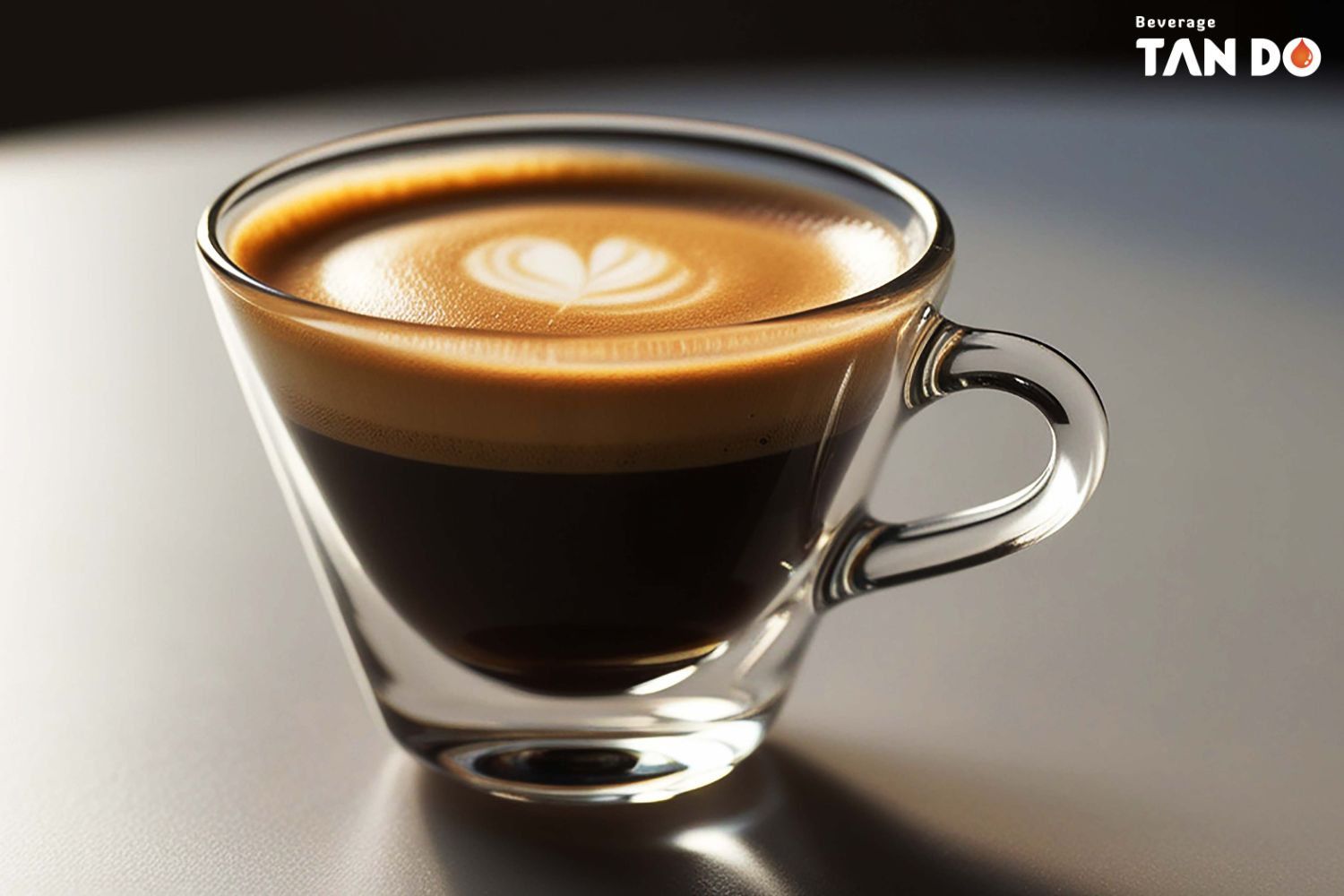
Espresso is one of the most high caffeine drinks available. A 240 ml serving can deliver approximately 240–720 mg of caffeine, placing it among the strongest caffeine sources. Brewed by pushing hot water through finely ground coffee under high pressure, espresso offers a bold, full-bodied flavor.
Because the extraction process is fast and efficient, much of the caffeine is preserved in the final cup. This makes espresso a go-to choice for those seeking a fast, powerful energy boost.
2. Black coffee
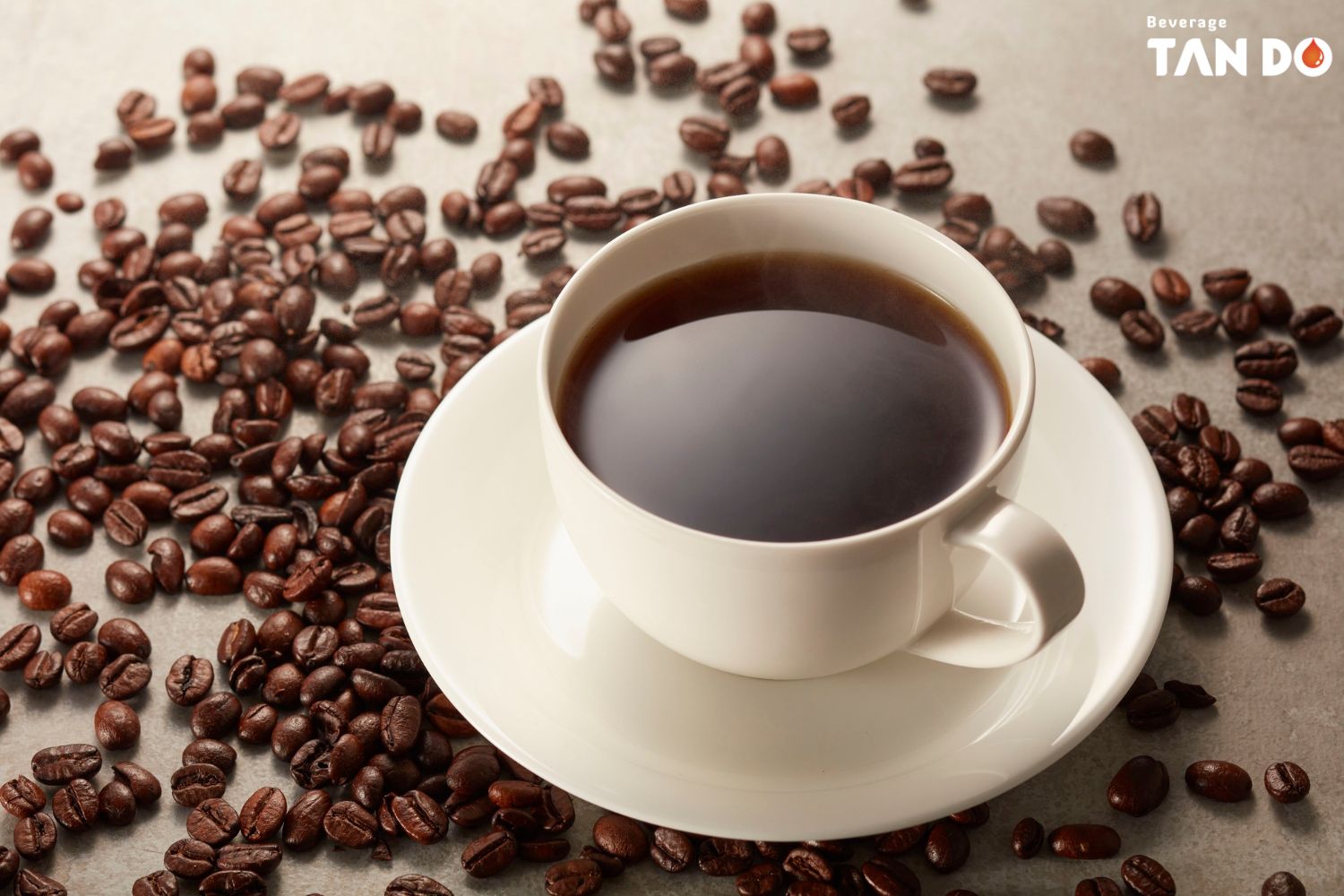
For coffee purists, black coffee remains the ideal choice. A standard 240 ml cup typically contains 70–140 mg of caffeine, with an average of around 95 mg. Free from milk or sugar, black coffee delivers caffeine in its purest form, allowing its stimulating effects to come through clearly. Whether prepared using a drip brewer or modern cold brew techniques, black coffee provides a reliable and sustained boost in alertness throughout the day.
3. Energy drinks
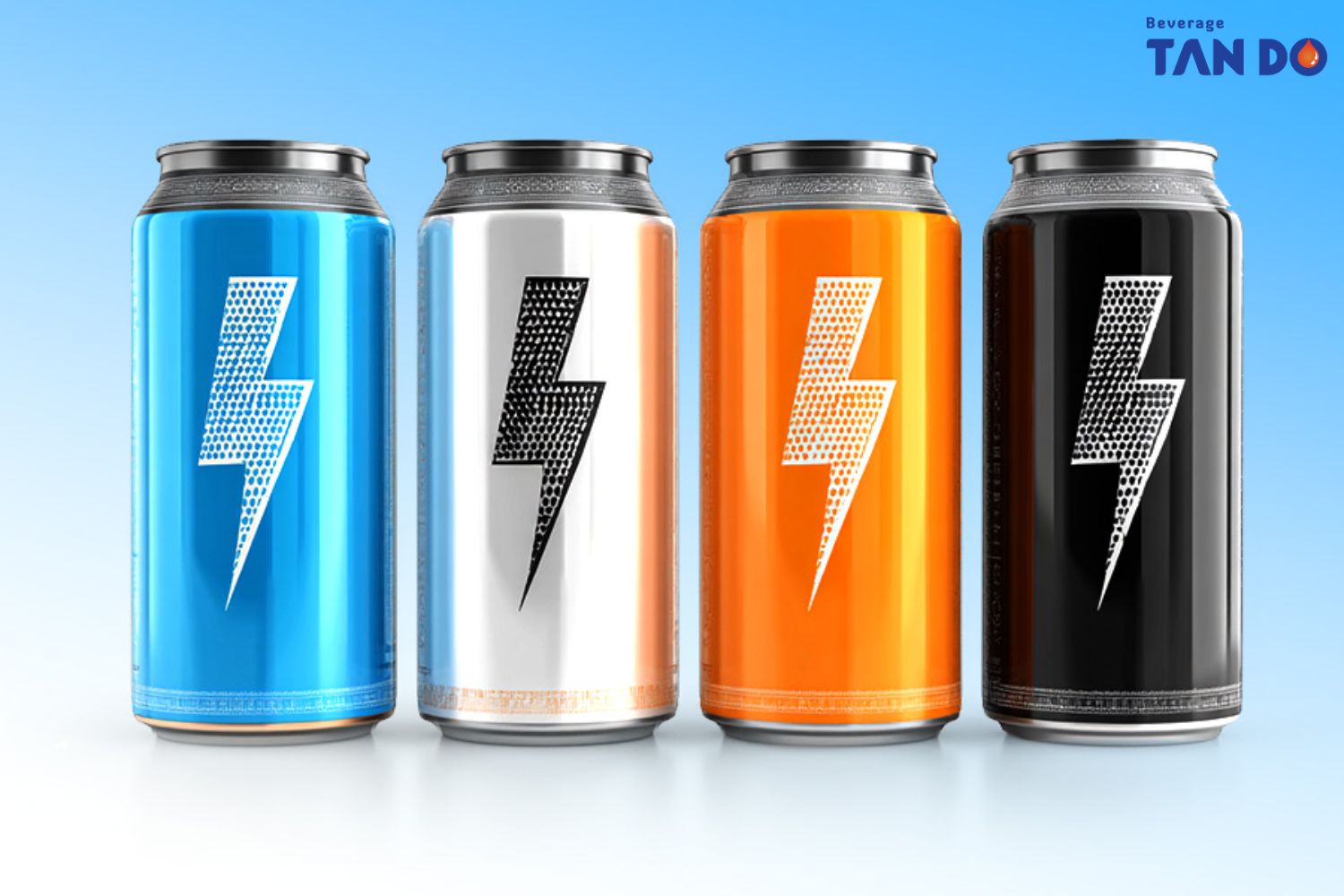
Popular energy drinks such as Prime, Red Bull, Monster, and Rockstar are engineered to deliver a rapid energy boost and heightened alertness. A typical 330 ml can of these beverages contains roughly 50–160 mg of caffeine, often paired with other compounds like taurine, guarana, and B-vitamins that are believed to support energy metabolism and mental performance.
While caffeine is the main stimulant, manufacturers also include sugars or sweeteners to improve taste and provide quick fuel, though this can add extra calories and impact metabolic health over time.
4. Green tea
Green tea is among top popular drinks that contains high caffeine worldwide, known for its smooth caffeine content and health benefits. An 8-ounce (230-ml) cup of green tea contains around 30 to 50 milligrams of caffeine, offering a milder lift compared with coffee but enough to enhance focus and alertness.
Compared with other caffeinated beverages such as coffee or energy drinks, green tea contains less caffeine but delivers longer-lasting stimulation thanks to natural compounds like L-theanine, which help reduce jitters and promote calm concentration.
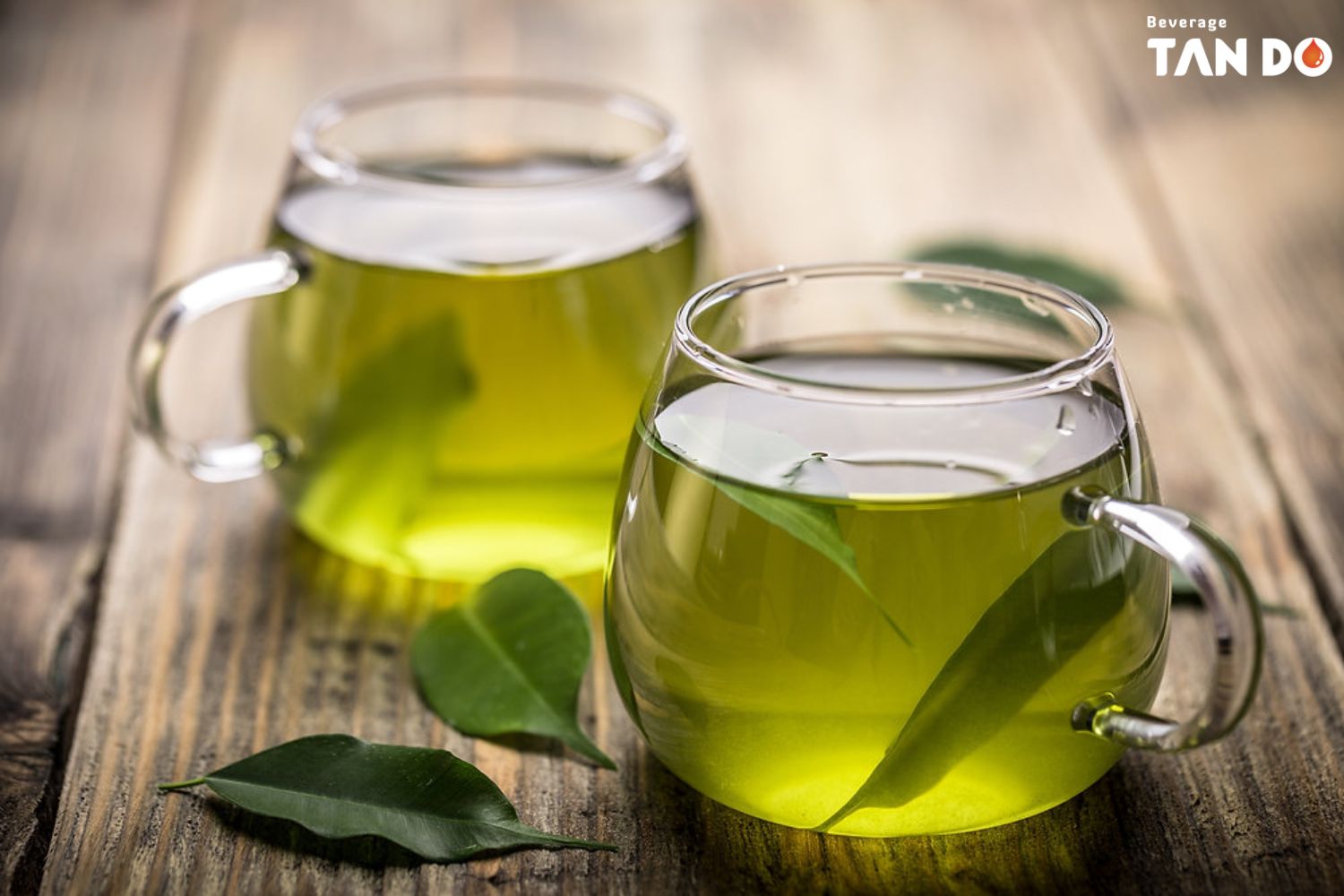
Caffeine levels can vary depending on the tea variety and brewing method. In general, bagged green teas, matcha, longer steeping times, and hotter water lead to higher caffeine extraction. As a result, green tea is often chosen by consumers who want balanced, steady energy without overstimulation.
5. Black tea
Black tea is a classic caffeinated beverage made from fully oxidized Camellia sinensis leaves, giving it a rich flavor and a higher caffeine content than most other teas. An 8-ounce (237 g) cup of black tea typically contains about 47.4 mg of caffeine, making it noticeably stronger than white tea but still milder than coffee.
The exact amount of caffeine can vary based on tea type, leaf size, and brewing method—longer steeping and hotter water generally increase the caffeine extracted into the cup. Black tea also contains L-theanine and antioxidants, which may help promote calm alertness and support overall wellness while delivering a steady, sustained energy boost.

5. Soda drinks
Carbonated sodas, including cola, citrus-flavored, and other caffeinated soft drinks, generally don’t deliver as much caffeine as coffee or energy drinks, but they still provide a mild stimulant effect along with refreshment.
For example, a 12-ounce (355 ml) can of classic cola like Coca-Cola (330-355ml) contains about 30–34 mg of caffeine, while Coke Light often has around 42 mg per can. Other varieties such as Mountain Dew can be higher, typically around 54-55 mg per 12-ounce serving.
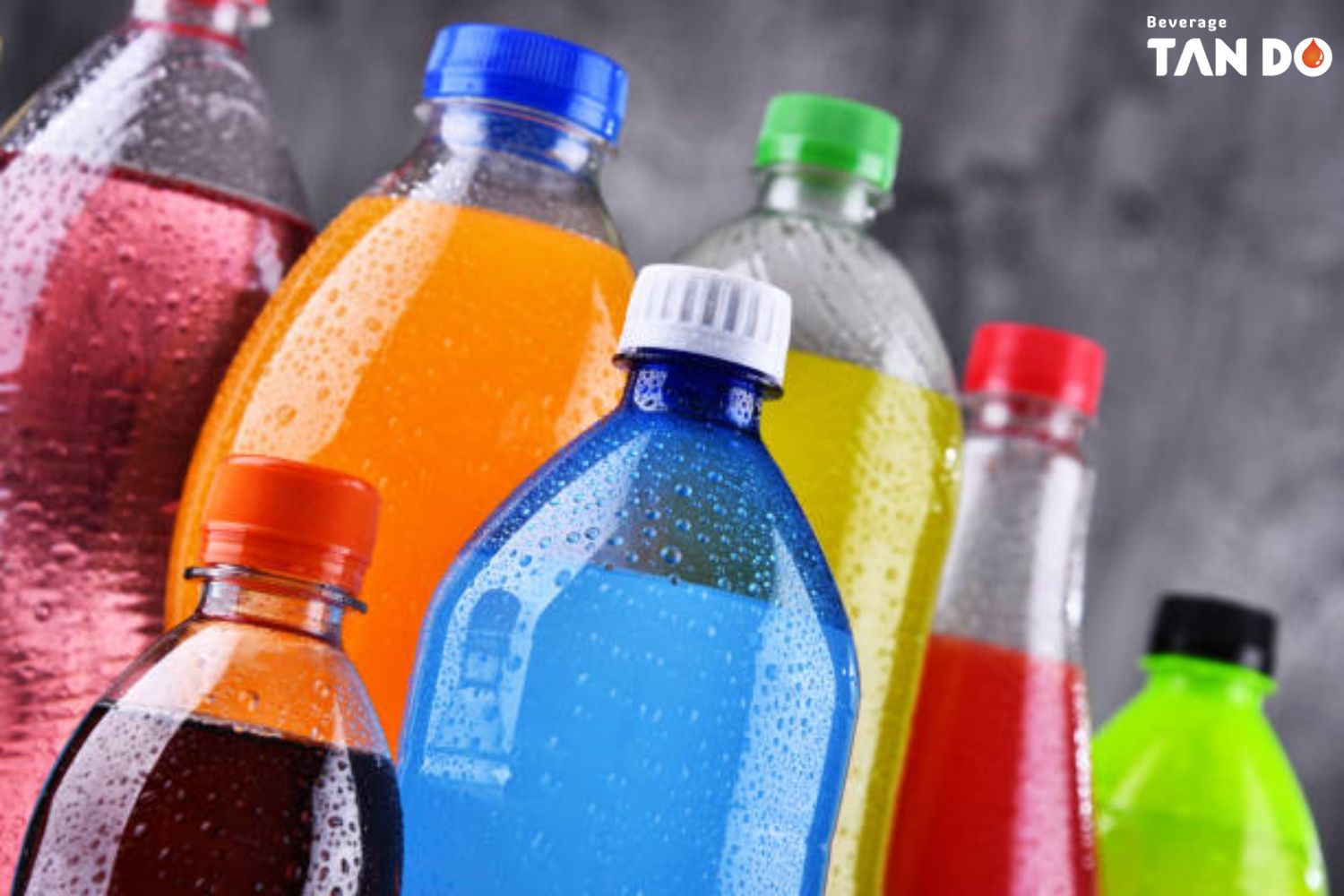
This makes sodas a popular choice for a light energy boost, especially for those who prefer a refreshing taste over strong or bitter drinks. However, many sodas contain added sugars or sweeteners, which increase calorie intake. Consuming them in large amounts may work against health and weight-management goals.
6. Caffeinated sparkling water
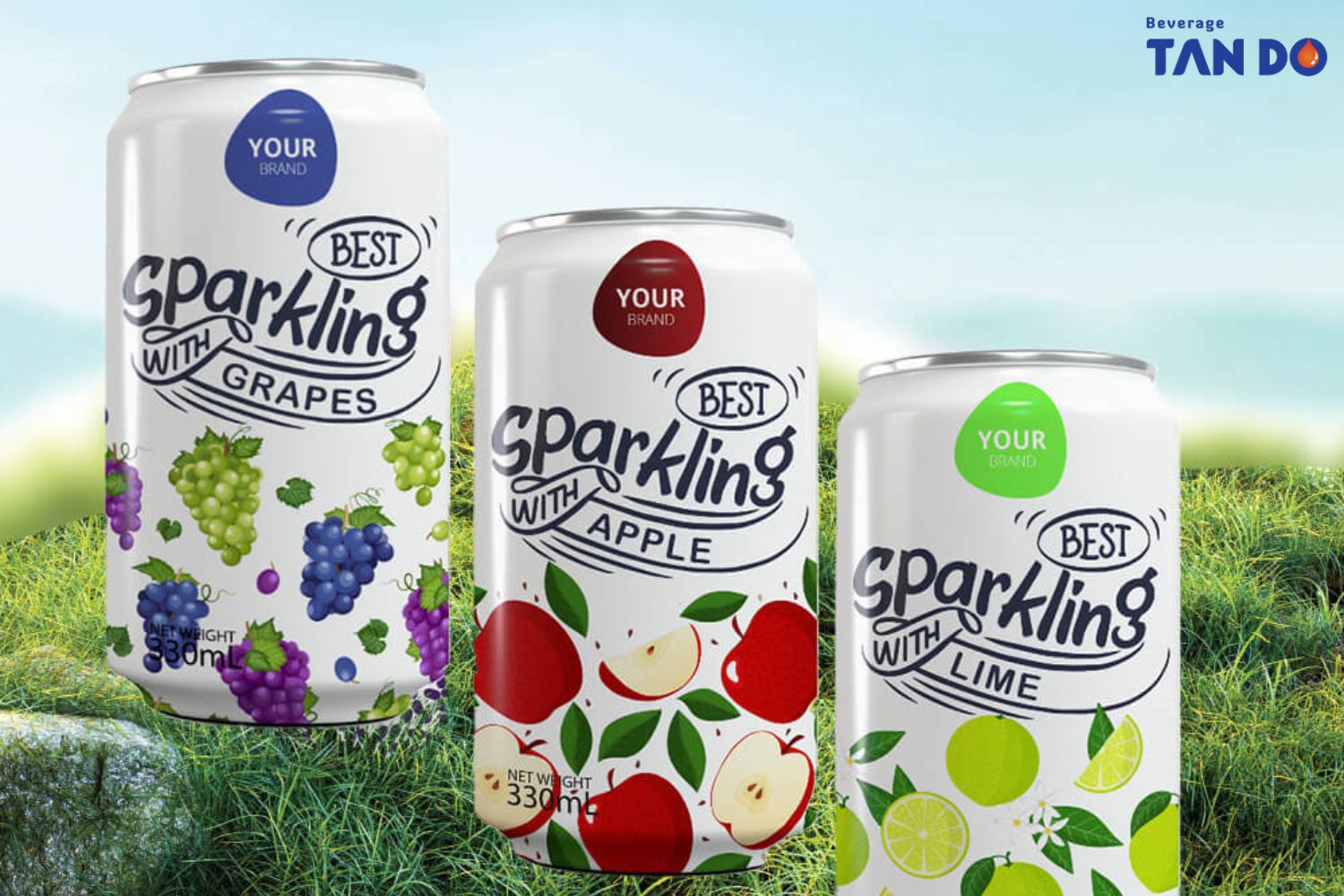
Caffeinated sparkling waters have become a refreshing alternative to heavier energy drinks. These beverages combine the hydration of sparkling water with a light caffeine lift — typically around 30–35 mg per 12 oz can, giving you a gentle energy boost without the intense stimulation of coffee or traditional energy drinks. These amounts are lower than most coffee and energy drinks, but still enough for a gentle lift in alertness.
7. Yerba mate tea
Yerba mate is a traditional South American drink brewed from the leaves of the Ilex paraguariensis plant. It has a long cultural history and is widely enjoyed in countries like Argentina, Paraguay, Brazil and Uruguay.
A typical cup of brewed yerba mate contains roughly 70–80 mg of caffeine per 8 oz serving, which places it between black tea and coffee in terms of caffeine strength. This makes it a moderate but notable source of caffeine, offering more stimulation than most teas but usually less than a strong cup of coffee.

Potential Downsides of Caffeine
Consuming too much caffeine can cause headaches, migraines, sleep problems, anxiety, and a faster heart rate. These effects are more common when caffeine intake exceeds personal tolerance or safe daily limits.
Research indicates that excessive caffeine consumption may also contribute to restless sleep and heightened nervous system activity, which can disrupt overall well-being.
Certain populations are advised to be especially cautious with caffeine:
- Pregnant women are often advised to limit caffeine due to potential risks to fetal growth and nervous system development.
- Children and adolescents should avoid drinking high caffeine intake because their bodies and brains are still developing.
So, always check the total caffeine content from all sources on the label of your beverage.
How much caffeine is safe to consume per day?
Health authorities recommend that most healthy adults limit their daily caffeine intake to no more than 400 mg, which is considered a safe upper threshold for avoiding most negative side effects.
For children and adolescents, caffeine guidelines are more conservative. Many experts suggest keeping intake below about 85 mg per day to support healthy development and minimize potential risks.
FAQs
How fast does caffeine work?
Caffeine is absorbed quickly by the body. Most people begin to feel its stimulating effects within 15–30 minutes after consumption.
What should I do if I have consumed too much caffeine?
If you experience mild symptoms, try hydrating, resting, and avoiding additional caffeine. Seek immediate medical help if you notice chest pain, severe heart palpitations, dizziness, or confusion.
Who should avoid high-caffeine drinks?
High-caffeine beverages should be avoided or strictly limited by children, pregnant or breastfeeding individuals, and people with caffeine sensitivity, high blood pressure, anxiety disorders, or heart conditions.
What are the side effects of too many energy drinks?
Short-term effects may include insomnia, jitteriness, nervousness, rapid heartbeat, nausea, and vomiting. Long-term overconsumption has been associated with high blood pressure, cardiovascular issues, and caffeine dependence.
Sum up
High caffeine drinks have become an important part of modern daily life, supporting alertness, focus, and productivity. From coffee and tea to energy drinks and newer caffeine-infused options, consumers now have more choices than ever.
While these beverages can offer clear benefits when consumed in moderation, excessive intake may lead to unwanted side effects. Understanding caffeine sources, safe intake limits, and individual tolerance helps consumers enjoy the benefits of high caffeine drinks responsibly and effectively.