Tonic water vs sparkling water are two popular carbonated beverage categories in today’s global market. While both share the same refreshing bubbles, they differ in formulation, flavor profile, nutritional value, and overall drinking purpose.
In this blog, we’ll take a closer look at what sets them apart — from ingredients and taste to common uses — so you can clearly understand how each beverage fits different preferences, lifestyles, and consumption occasions!
What is Tonic Water?
Tonic water is a carbonated drink that contains added ingredients such as sugar and quinine, which give it a slightly bitter and mildly sweet taste. Although it looks similar to other fizzy waters, its flavor is more distinct due to these added components. Because it typically contains sugar, tonic water is not considered a low-calorie beverage.
What is Sparkling Water?
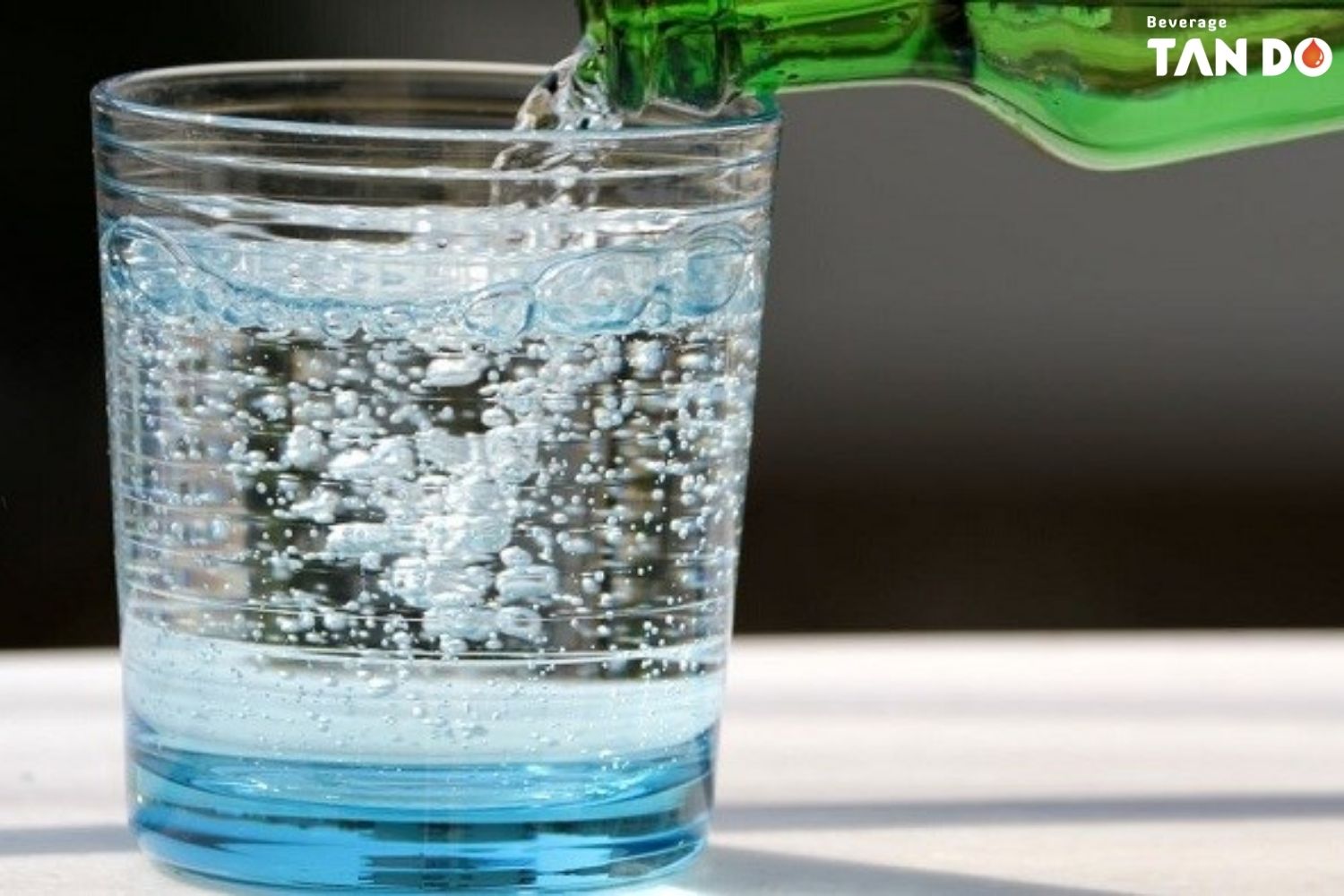
Sparkling water is a simple, unflavored carbonated beverage made by dissolving carbon dioxide (CO₂) into purified water. It contains no added sugars, sweeteners, or artificial flavorings. With its clean and refreshing taste, sparkling water is a popular choice for those looking for a light and natural hydration option.
What’s the Difference Between Tonic Water vs Sparkling Water?
Although both beverages contain carbonation, tonic water vs sparkling water differ significantly in ingredients, flavor profile, and intended use:
1. pH level
Tonic water is considered acidic, typically with a pH ranging from about 2.5 to 3.5. This acidity mainly comes from carbonic acid (formed during carbonation) and added citric acid. As a result, tonic water is much more acidic than regular tap water, which usually has a neutral pH of around 7.
Sparkling water generally has a pH between 3 and 4. This means it is still acidic, but usually slightly less acidic than tonic water. However, compared to many sugary soft drinks like cola or lemonade, tonic water and sparkling water are typically less acidic overall.
2. Ingredients
One of the biggest differences between tonic water vs sparkling water lies in their ingredients. While both are carbonated, what goes into each beverage is very different.
Ingredients in Tonic Water
Tonic water contains several added components that create its signature bitter-sweet taste. Unlike sparkling water, it is not just carbonated water.
Typical ingredients in tonic water include:
- Carbonated water
- Sugar or high fructose corn syrup
- Citric acid
- Quinine
- Natural flavors
- Preservatives such as sodium benzoate and sodium citrate
Quinine gives tonic water its characteristic bitterness, while sugar balances the flavor. The additional ingredients also help maintain taste consistency and shelf life. This is why tonic water has a more complex formula compared to sparkling water.
Ingredients in Sparkling Water
Sparkling water is much simpler. It is basically water infused with carbon dioxide to create bubbles.
Some sparkling waters are naturally carbonated from mineral springs. These may contain naturally occurring minerals such as magnesium, calcium, and sodium. The mineral content depends on the water source. According to the U.S. Food and Drug Administration (FDA), mineral water must contain at least 250 parts per million of dissolved solids from its original source.
The amount and type of minerals can slightly change the taste, which is why different sparkling water brands may have subtle flavor differences. Some manufacturers also add extra carbon dioxide to increase the level of fizz.
3. Nutritional Profile
When choosing between tonic water and sparkling water, nutrition is an important factor to consider — especially if you’re watching your calorie or sugar intake.
Sparkling Water
Sparkling water is known for being simple and clean in terms of nutrition. It typically contains:
- Calories: 0
- Sugars: 0g
- Carbohydrates: 0g
- Sodium: 0mg
- Other nutrients: None
Because it contains no sugar, no carbs, and no calories, sparkling water is a great option for everyday hydration. It gives you the refreshing fizz without adding anything extra to your diet.
Tonic Water
Tonic water has a different nutritional profile because of its added ingredients. On average (per 8 fl oz / 240mL), it contains:
- Calories: ~80–90 kcal
- Sugars: ~20–24 g
- Carbohydrates: ~21–24 g
- Sodium: ~20–30 mg
- Other components: Small amounts of quinine
The added sugar significantly increases the calorie content, making tonic water less suitable for people who are limiting sugar or managing their weight.
In short, sparkling water is the lighter option, while tonic water is more similar to a soft drink in terms of calories and sugar.
4. Taste
- Sparkling water has a clean, crisp, and refreshing taste. It does not contain added sugar, sweeteners, or flavorings, so its flavor is neutral and light. The only noticeable sensation comes from the carbonation, which gives it a fresh and slightly sharp mouthfeel.
- Tonic water, on the other hand, has a much more distinctive taste. It contains quinine, which gives it a noticeable bitterness. To balance this bitterness, sugar or sweeteners are added, creating a combination of bitter and sweet flavors.
5. Usage
- Tonic water is most commonly used as a cocktail mixer. Its slightly bitter and sweet flavor pairs well with spirits, helping to balance and enhance the overall taste of the drink. Because of its distinct flavor profile, tonic water is rarely consumed on its own and is more often associated with bar and mixology settings.
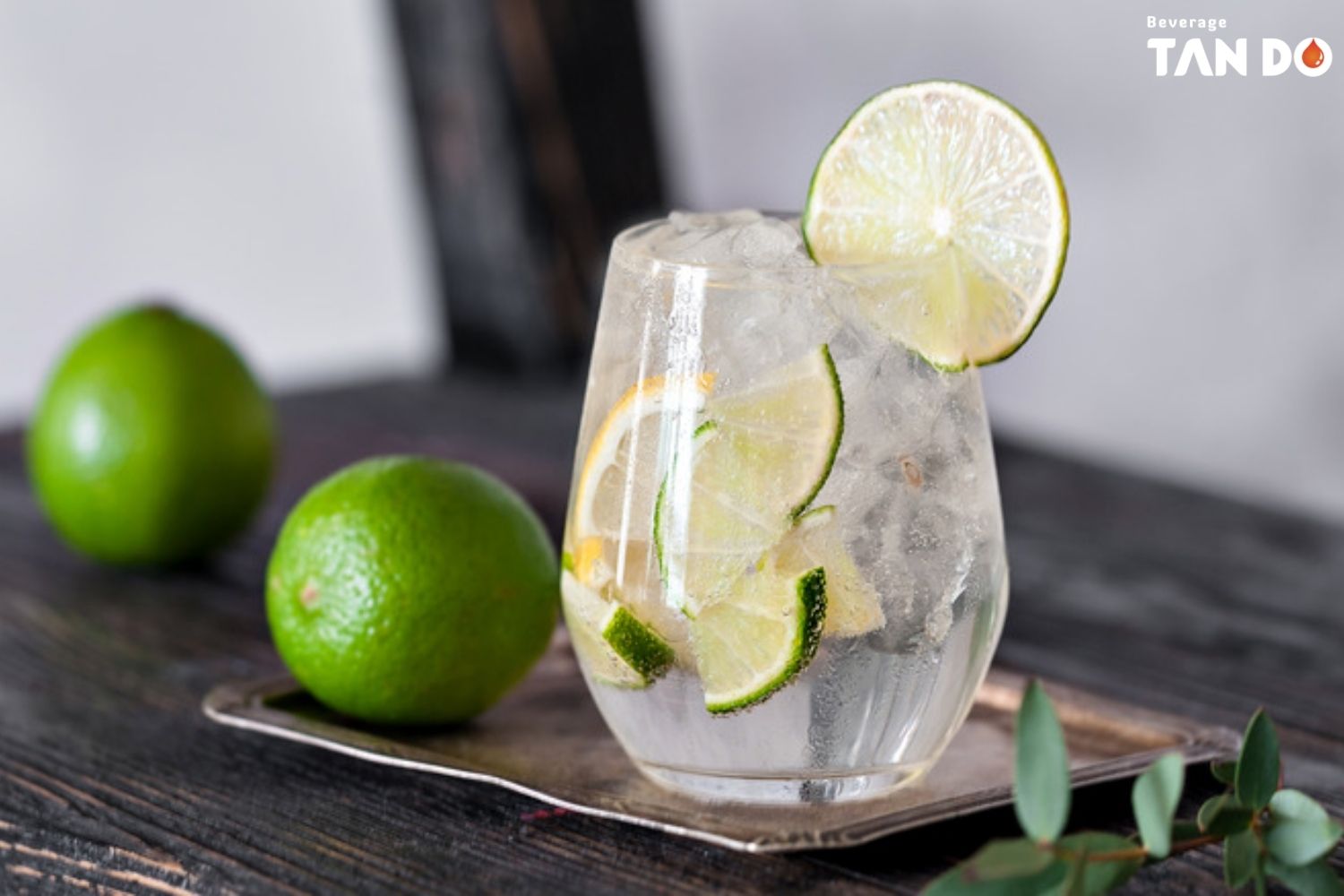
- Sparkling water, on the other hand, is much more versatile. It can be enjoyed straight from the bottle as a refreshing alternative to still water. It also works well as a base for mocktails and cocktails, or mixed with fruit juices, citrus slices, and herbs for a light and refreshing beverage. Thanks to its clean and neutral taste, sparkling water easily adapts to different drink creations.
6. Production process
Production process of sparkling water
The production of sparkling water is relatively simple. It starts with purified water that has been carefully filtered to remove impurities and ensure safety and clarity.
After purification, carbon dioxide (CO₂) is injected into the water under high pressure. This process creates the bubbles that give sparkling water its signature fizz.
In some cases, sparkling water is naturally carbonated. This happens when water from mineral springs already contains dissolved carbon dioxide from underground sources. Manufacturers may adjust the carbonation level before bottling to achieve a consistent taste and bubble intensity.
Sparkling water can also be made at home using a soda maker, which adds CO₂ from a cartridge into plain water. Overall, the process is straightforward and involves very few ingredients.
Production process of tonic water
Like sparkling water, the process begins with purified water. However, additional components are then blended in carefully measured proportions. These typically include sweeteners (such as sugar or high fructose corn syrup), citric acid, quinine, natural flavors, and preservatives like sodium benzoate and sodium citrate.
Quinine — extracted from the bark of the cinchona tree — is the key ingredient that gives tonic water its distinct bitterness. Once all ingredients are properly mixed, carbon dioxide is infused to create carbonation.
Finally, the finished tonic water is bottled or canned under controlled conditions to preserve both the carbonation and the flavor profile.

Tonic water vs sparkling water: Quick Comparison
- Both are carbonated beverages, but they differ significantly in ingredients and purpose.
- Sparkling water typically contains only water and carbon dioxide, with no added sugar or flavorings. Tonic water includes added ingredients such as sugar, quinine, flavorings, and preservatives.
- Sparkling water is calorie-free and sugar-free, making it suitable for daily hydration. Tonic water contains calories and sugar, so it is closer to soft drinks in terms of nutrition.
- In terms of taste, sparkling water is clean and neutral, while tonic water has a distinct bitter-sweet flavor.
- Sparkling water is versatile and can be enjoyed on its own or mixed with other beverages, whereas tonic water is mainly used as a cocktail mixer.
Sum Up
When comparing tonic water vs sparkling water, the key differences lie in their ingredients, taste, nutrition, and usage. Sparkling water is simple, calorie-free, and ideal for natural hydration, while tonic water contains added sugar and quinine, giving it a distinctive bitter-sweet flavor commonly used in cocktails.
Understanding the differences between tonic water and sparkling water allows consumers to make informed choices based on their health goals, flavor preferences, and intended use.
Related read:
Carbonated Beverages: Why Sparkling Water Dominates the Market