Here we go to the list of blueberry juice benefits! Blueberries are a true superfood, packed with nutrients, antioxidants, and natural compounds that can support overall health in surprising ways.
Drinking blueberry juice isn’t just about flavor—it’s a simple, delicious way to give your body a boost. Curious how this vibrant, nutrient-rich juice can enhance your well-being and daily routine? Let’s dive deeper and uncover what makes blueberry juice a must-have in your diet.
What Is Blueberry Juice?
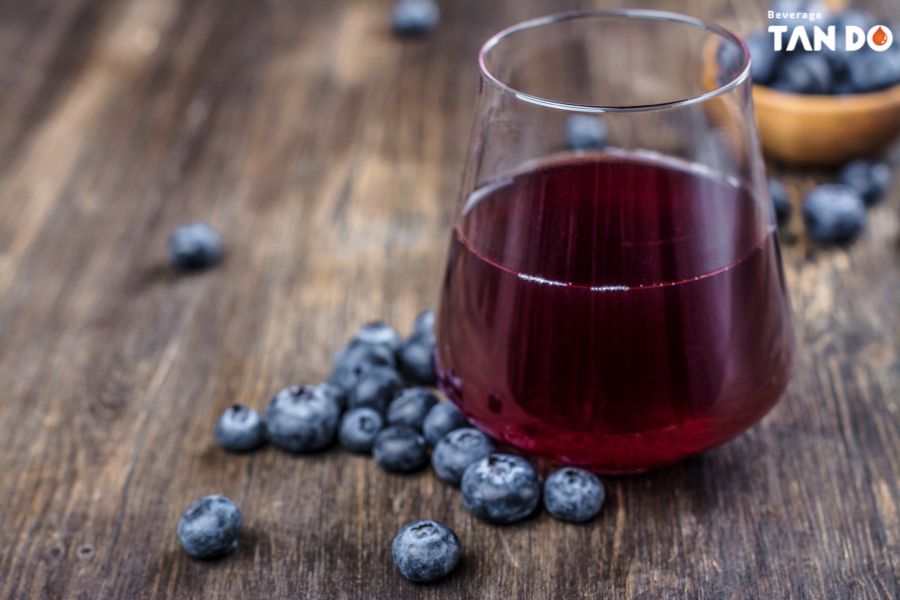
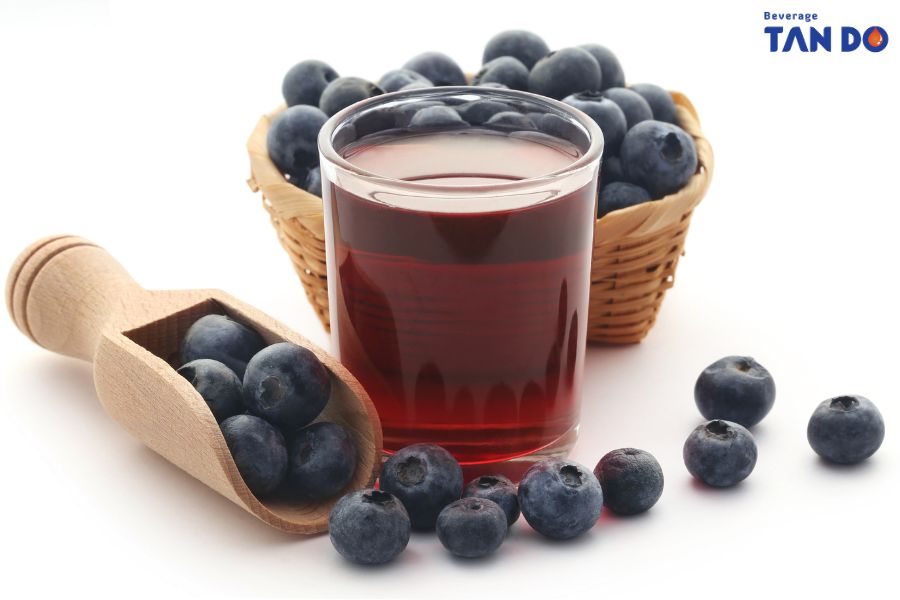
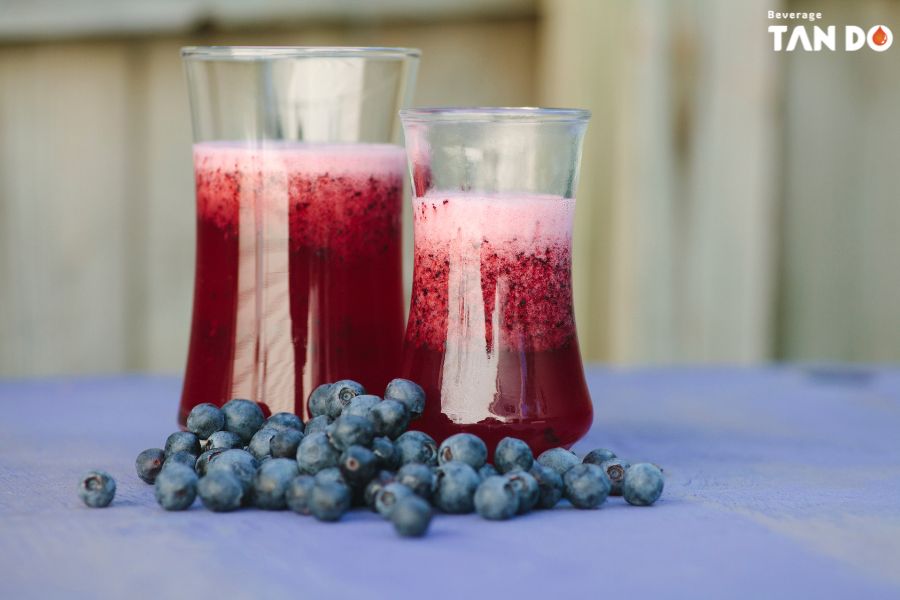
Blueberry juice is made by extracting liquid from fresh or processed blueberries. Depending on production methods, it may be clarified or retain natural fruit compounds, resulting in a vibrant purple-blue color and a naturally sweet-tart flavor. Because blueberries are nutrient-dense, their juice concentrates many of the fruit’s beneficial compounds into a convenient, drinkable format.
Is Blueberry Juice Good for You?
Yes! Blueberry juice is considered one of the most nutrient-dense drinks available that offer a wide range of nutritional benefits. Typically, a 1-cup (150-gram) serving provides:
- Water: 126 g (about 85% water)
- Energy: 96 kcal
- Protein: 1.05 g
- Total fat: 0.47 g
- Carbohydrates: 21.9 g
- Total sugars: 14 g
In addition to macronutrients, blueberries are a natural source of essential minerals, including potassium, magnesium, and calcium.
Blueberries are also rich in key micronutrients, supplying around 14% of the daily value for vitamin C, 24% for vitamin K, and 13% of the daily value for dietary fiber. This balanced nutritional profile makes blueberry juice a refreshing, low-fat beverage that delivers hydration along with meaningful health benefits.
Unlock Top 6 Proven Blueberry Juice Benefits
Below is a list of outstanding health benefits of blueberry juice that you may not be aware of:
1. Rich in Antioxidants
Blueberries are exceptionally rich in anthocyanins and other flavonoids, powerful antioxidants that help neutralize free radicals and reduce oxidative stress. Mechanistically, anthocyanins directly scavenge free radicals and modulate cellular signaling pathways related to inflammation and cell stability.
Multiple studies show that blueberry consumption increases antioxidant activity in the blood, providing a strong biological foundation for long-term protective effects.
2. May Help Reduce Premature Aging & Lower Cancer Risk
By reducing oxidative stress and protecting DNA, compounds in blueberries may help limit cellular damage associated with aging and cancer development.
Although human evidence is still limited and further long-term clinical trials are needed, laboratory research and epidemiological data suggest that berry consumption—including blueberries—is associated with reduced DNA damage and a lower risk of certain cancers. Therefore, blueberry juice may support disease-prevention diets but should not be viewed as
3. Helps Lower and Stabilize Blood Pressure
Clinical studies show that blueberries can support healthy blood pressure by improving how blood vessels function.
In clinical trial studies, postmenopausal women with pre-hypertension or stage-1 hypertension consumed blueberry powder daily for eight weeks. The results showed reduced systolic and diastolic blood pressure, improved arterial flexibility, and increased nitric oxide levels, which help blood vessels relax and support better circulation.
Another related study supports these findings, suggesting that natural compounds in blueberries—especially anthocyanins—play a key role in regulating blood pressure when consumed as part of a balanced diet. These findings make blueberry juice a strong ingredient for products positioned around heart health support.
4. Supports Brain Function and Improves Memory
Intervention study, especially in older adults, suggests that regular blueberry intake—whether fresh, freeze-dried, or in exact form—may help improve memory, processing speed, and overall cognitive performance over time.
These health benefits of blueberry juice are linked to reduced oxidative stress in the brain, improved blood flow to neural tissue, and the action of anthocyanins that support healthy brain signaling. As a result, blueberry juice is commonly associated with brain health support and healthy cognitive aging.
5. May Have Anti-Diabetes Effects
In a clinical trial involving obese and insulin-resistant individuals, consuming a blueberry-enriched smoothie for six weeks significantly improved insulin sensitivity, measured using a gold-standard method, compared with a control group.
Blueberry polyphenols are believed to enhance insulin signaling and improve microvascular function in skeletal muscle, supporting healthier blood glucose regulation. However, because juice contains concentrated natural sugars, portion control and dietary context remain important.
6. Reduces Muscle Damage & Supports Post-Exercise Recovery
One clinical study tested whether consuming blueberries before or after eccentric exercise could help with muscle recovery. Participants who had blueberry smoothies showed improvements in certain inflammatory markers and quicker recovery of muscle strength compared to the control group. However, reductions in muscle soreness were not always significant.
Another study investigated the effect of blueberry supplementation on exercise-induced muscle stress. The results indicated that blueberry consumption could lower markers of oxidative stress and inflammation following intense physical activity, supporting faster recovery and tissue repair.
Both studies suggest that blueberries—whether as juice, smoothies, or extracts—can help manage exercise-induced inflammation and support muscle recovery, making them a valuable ingredient for functional and sports beverage products.

How to Make a Blueberry Juice?
Many people ask, “Is blueberry juice healthy to include in your daily routine?” The answer is yes—but in moderation. To help you enjoy it easily, here’s a simple blueberry juice recipe that you can incorporate into your daily routine:
Ingredients (for 2 servings):
- 1 cup fresh or frozen blueberries
- 1/2 cup water (adjust for desired consistency)
- 1 tsp lemon juice (optional, for brightness)
- 1 tsp honey or maple syrup (optional, for sweetness)
Instructions:
- Wash the blueberries thoroughly.
- Add blueberries and water to a blender and blend until smooth.
- Optional: Strain through a fine mesh sieve for a smoother juice.
- Stir in lemon juice and honey if desired.
- Serve immediately over ice or chill in the fridge.
Tips:
- Add a few mint leaves for a refreshing twist.
- Mix with other fruit juices like apple or orange for variety.
- Can be made in larger batches and stored in the fridge for 1–2 days.
The Bottom Line
Blueberry juice benefits go beyond just a refreshing taste—it’s a nutrient-packed drink rich in antioxidants, vitamins, and fiber. Regular consumption may help support heart health, improve brain function and memory, regulate blood sugar, and reduce exercise-induced muscle stress.
While results vary depending on individual health and portion sizes, incorporating blueberry juice into a balanced diet can provide natural, science-backed wellness advantages. Enjoy it as part of a healthy lifestyle to tap into these potential benefits!