Basil seeds vs chia seeds may seem similar at first glance, but these tiny seeds come from different plants and offer unique nutritional and functional benefits for beverages. Each seed brings distinct properties that can enhance the taste, texture, and health value of drinks in different ways.
For beverage brands, understanding the differences between basil seeds and chia seeds is key to creating innovative, health-focused drinks. Let’s explore their unique qualities and how each seed can be used to craft refreshing, functional beverages that consumers love!
Basil Seeds vs Chia Seeds: What Are They?
Basil Seeds
Basil seeds — also called sabja or tukmaria seeds — come from the sweet basil plant (Ocimum basilicum), a common herb used in Asian cuisine. Traditionally, these seeds have been used in Ayurvedic and traditional medicine for cooling the body, aiding digestion, and relieving acidity.
These tiny black seeds are packed with dietary fiber, protein, omega-3s, vitamins A, C, and K, and important minerals like calcium, magnesium, and iron.
Chia Seeds
Chia seeds come from the Salvia hispanica plant, native to Mexico and Guatemala. They’ve been a dietary staple since ancient Aztec and Mayan times — in fact, “chia” means strength in Mayan.
They’re celebrated for their high nutritional value, offering fiber, complete protein, omega-3 fatty acids, antioxidants, vitamins, and minerals, making them a versatile addition to many beverages and health-focused drinks.
Key Difference Between Basil Seeds and Chia Seeds
1. Nutritional Content of Basil Seeds vs Chia Seeds
Both seeds are nutritional powerhouses, but their strengths differ. Here’s a breakdown (values per 1 oz or ~28 grams):
| Nutrient | Chia Seeds | Basil Seeds |
| Calories | ~138 kcal | ~130 kcal |
| Fiber | ~9.8 g | ~15 g |
| Protein | ~4.7 g | ~2.6 g |
| Fat | ~8.7 g (mostly omega-3) | ~6 g |
| Omega-3 (ALA) | ~5,000 mg | ~1,200 mg |
| Calcium | ~179 mg | ~370 mg |
| Iron | ~2.9 mg | ~4.7 mg |
| Magnesium | ~95 mg | ~75 mg |
| Antioxidants | High | High |
| Absorption Rate | Slower | Faster |
2. Health Benefits
- Health Benefits of Basil Seeds
| Benefits of Basil Seeds | Description |
| Supports Digestive Health | Rich in dietary fiber, basil seeds help prevent constipation and maintain a healthy digestive system. |
| Natural Cooling Effect | Commonly added to drinks, basil seeds provide a refreshing, cooling sensation, especially useful in hot weather. |
| Blood Sugar Support | The seeds may assist in stabilizing blood sugar levels, offering benefits for individuals with diabetes. |
| Aids Weight Management | When soaked, basil seeds form a gel-like coating that promotes satiety, helping to control appetite naturally. |
- Health Benefits of Chia Seeds
| Benefits of Chia Seeds | Description |
| Supports Heart Health | Rich in omega-3 fatty acids, chia seeds help lower blood pressure and reduce bad cholesterol, promoting overall cardiovascular well-being. |
| Promotes Bone Strength | High in calcium and phosphorus, chia seeds contribute to stronger bones and teeth. |
| Boosts Energy | Historically consumed by athletes and warriors, chia seeds provide a quick and lasting energy source. |
| Enhances Skin and Hair | Packed with antioxidants and essential fatty acids, chia seeds support skin elasticity and healthy hair growth. |
3. Appearance
When comparing basil seeds vs chia seeds, their physical appearance offers some clear differences.
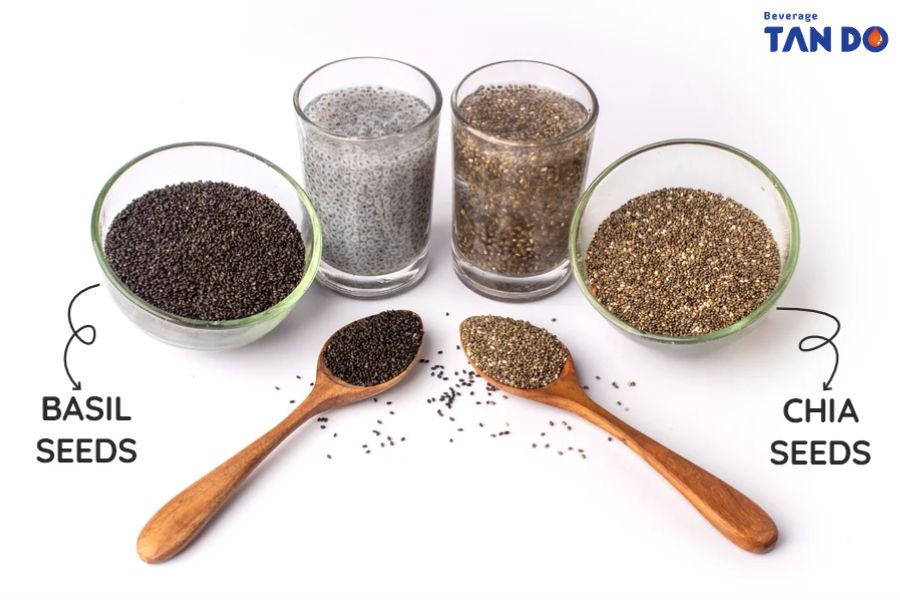
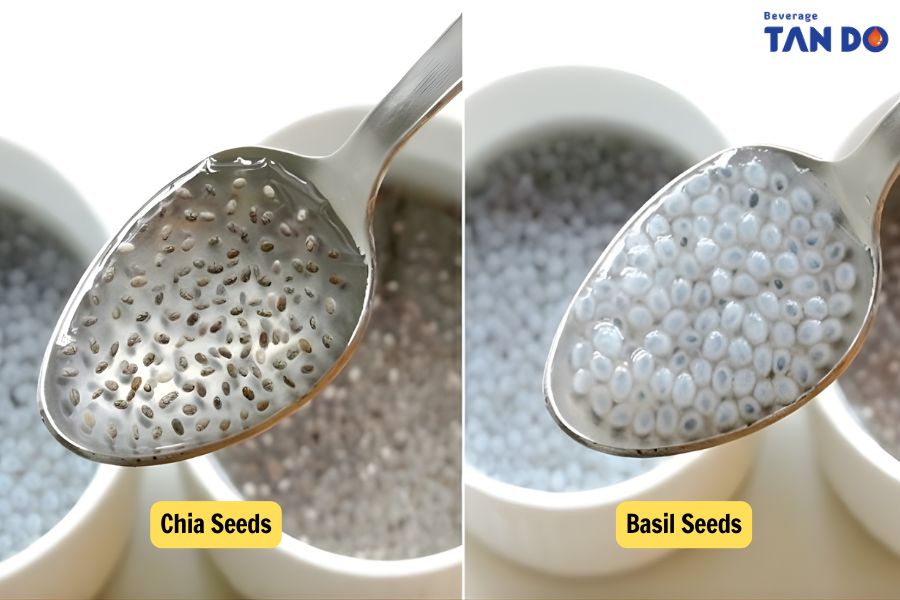
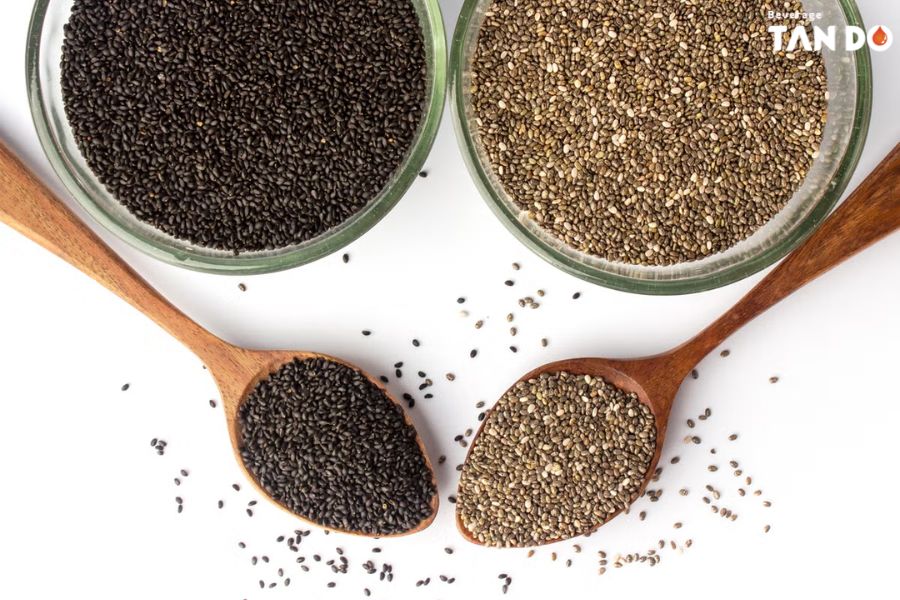
- Basil seeds are generally smaller and rounder, appearing black when dry, but they quickly form a thick, grayish gel coating once soaked in water.
- Chia seeds are slightly larger and oval-shaped, available in both black and white varieties. When hydrated, chia seeds also create a gel-like layer, though it’s less dense and noticeable than that of basil seeds.
These distinct visual and textural characteristics make it easy to tell the two apart and can help identify them in various beverage applications.

4. Flavor
When it comes to beverages, flavor and texture play a big role, and chia seeds vs basil seeds each bring something unique to the table:
- Basil seeds are almost tasteless, so they easily take on the flavor of the drink they’re in. When soaked, they form a smooth, jelly-like coating that gives a cool, refreshing feeling, making them perfect for hydrating drinks, fruit juices, and summer beverages. This makes basil seeds ideal for drinks meant to refresh and cool down consumers.
- Chia seeds have a mild, nutty taste that mixes well with many flavors like smoothies, shakes, and wellness drinks. Even after soaking, they keep a slight crunch, adding a nice texture that makes your beverage feel more interesting and satisfying.
5. Soaking And Gel Formation
Both basil seeds vs chia seeds form gels when soaked, but they do so in different ways:
- Basil seeds swell quickly in water, forming a jelly-like coating within minutes and expanding to about three times their size. For best results, soak 1 tablespoon of seeds in 1 cup of water for around 15 minutes before use.
- Chia seeds take slightly longer to absorb liquid, about 15–20 minutes, and develop a thicker, pudding-like gel. They can absorb up to 12 times their weight in water. Use a 1:4 seed-to-liquid ratio and let them sit until fully hydrated.
6. Pricing
- Chia seeds are usually more affordable than basil seeds. Thanks to their wider cultivation and growing popularity, chia seeds are easier to find and tend to have a more stable, affordable price. This makes them a great option for adding nutrition and texture to drinks without increasing costs too much.
- Basil seeds, on the other hand, can be a bit pricier. Their production is more limited, and they’re still a bit of a specialty ingredient. Plus, their unique cooling and gel-forming properties make them stand out in beverages — which also adds to their value. For beverage makers, this means basil seeds can give drinks a premium touch, while chia seeds are a cost-effective way to boost health benefits and texture.
Side Effects and Other Precautions
While basil seeds vs chia seeds are packed with nutrients, there are some precautions and potential side effects to keep in mind:
- Allergic reactions
If you’re allergic to basil, basil seeds could trigger a similar response. Symptoms may include dizziness, skin rashes, or facial swelling. In severe cases, such as difficulty breathing, seek immediate medical attention after consuming either basil or chia seeds.
- Interactions with medications
Both seeds can affect blood pressure, blood-thinning, or diabetes medications. Because they may naturally lower blood pressure and blood sugar, it’s important to monitor intake and consult a healthcare professional if you’re on such medications.
- Digestive discomfort
Basil and chia seeds are high in fiber, which is great for digestion, but consuming too much can lead to bloating, gas, or abdominal discomfort. Start with small amounts and increase gradually to avoid irritation.
- Oxalate content and kidney health
Both seeds contain oxalates, which in high amounts can contribute to kidney stones. To reduce the risk, try consuming them alongside calcium-rich foods like milk or cheese, which can help lower oxalate absorption.
Chia Seeds vs Basil Seeds: Which Works Best for Your Beverages?
Choosing between chia seeds drink & basil seeds drink depends largely on the goals of your beverage and the experience you want to deliver to consumers. If your focus is on heart health, sustained energy, or a nutrient-dense drink, chia seeds are the better choice thanks to their omega-3 content, protein, and slightly crunchy texture.
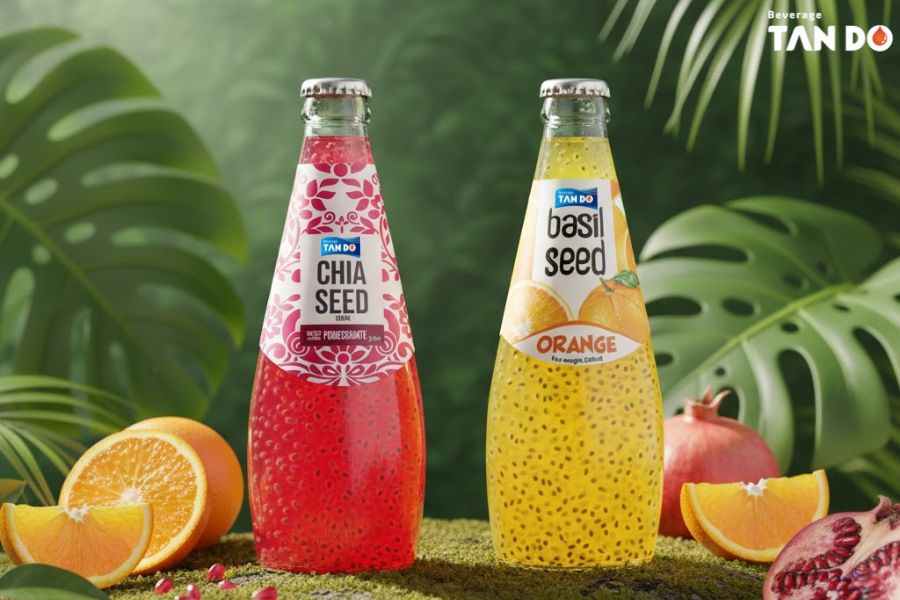
If your goal is to create a refreshing, cooling, and hydrating beverage, especially for hot climates or summer menus, basil seed drinks are ideal. Their neutral flavor and smooth gel-like texture make them perfect for juices, iced drinks, or functional hydration products.
For many beverage brands, the best approach is to use both seeds in combination, offering a drink that is nutritious, refreshing, and texturally interesting, appealing to a wider audience.
Sum Up
Basil seeds vs chia seeds each bring unique benefits to beverages. Basil seeds are nearly tasteless, form a smooth, cooling gel, and support hydration, digestion, and mineral intake. Chia seeds have a mild, nutty flavor, retain a slight crunch, and are rich in fiber, protein, and omega-3s, supporting heart, brain, and bone health.
For beverage brands, using one or both seeds allows the creation of refreshing, nutritious, and texturally interesting drinks that appeal to health-conscious consumers.