The global beverage market is estimated at 1,544.610 billion USD in 2018 and is forecast to grow at a CAGR of 3.10%, reaching a market size of 1,854.589 billion USD by 2024. As demand grows, more beverage companies are looking to enter the market.
Are you asking: “How to build a successful drink business?” and “What are the steps to build a drink company?” This article provides a comprehensive, two-phase guide to successfully launch and operate your own beverage business. The majority of successful entrepreneurs start with detailed preparation.


The majority of newbies like you usually have doubts and confusion regarding ways to make your own effective beverage brand.
PHASE 1: Entering the Market with Detailed Preparation
The preparation stage is critical for building a solid foundation for your beverage business. This is where you define your product, communication, operations, and resources.
Defining Your Product Category & Ideas
At this ideation step, you need to overview the beverage industry to determine the right product category for your company.
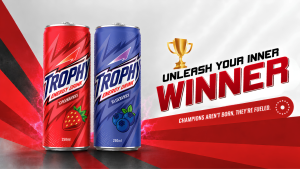
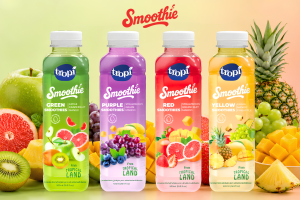
Some main types of products in the drink industry include: energy drinks, health drinks, juices, sodas, coffee and tea, sparkling water, and alcoholic beverages.
- Tip: Consider selling only one flagship beverage or combining multiple products, as this will heavily affect your business and communication strategy later on.
Formulation and Recipe Testing
Spend time perfecting the most amazing and unique recipe for your beverage product.
- Testing: Build a list of drinks with specific notes about the taste. Host small parties with friends and family to get direct feedback on the recipe.
- Balance: Drink recipes need to be novel but still suit the taste of the majority of customers in your target demographic.


Drink recipes need to be novel but still suit the taste of the majority of customers.
Business Planning: Market & Financials
To establish an effective drink company, you need to focus on understanding your target market and creating a sound financial structure.
Targeted Markets and Customers
You must identify customers’ needs, tastes, and desires in the target market to provide the best products. Key questions to answer:
- How is the beverage market overview? What is the size of your target market?
- Who are the competitors? What are their strengths and weaknesses?
- What are the advantages and disadvantages of entering the market?
Beverage industry overview: level of development, potential, broad market size and everything else
Financial Planning
Determine your company’s initial capital and create a financial plan. For start-ups, you should focus on a one-year financial plan first. After obtaining reliable financial data, expand the plan for 3-5 years or more.
Human Resources
Beverage businesses require resources with in-depth technological knowledge, processing technology, product quality control, management, sales, and negotiation skills.
Marketing Planning & Strategy
SWOT Analysis
Conduct a SWOT analysis (Strengths – Weaknesses – Opportunities – Threats) based on the information gathered during the business planning stage.
Finding Your Brand Value
A great marketing strategy always starts with determining the market price of the company’s brand. Invest time and resources in identifying the key customer benefits and the unique value your beverage products bring to them.
Establishing Marketing Methods
You need to choose the most suitable marketing methods depending on your target audience and market.
- Channels: Find out which social channels your customers prefer.
- Focus: In the early stages, select and allocate costs to one or several marketing areas such as advertising, PR, content marketing, SEO, community management, or events.


The more specific and detailed the plans, the higher the chances of your beverage brands
Phase 2: Products completion
The product completion stage determines if you can easily enter the drink industry or if your brand sinks as soon as it launches. At this stage, you need to perfect the product’s brand image and ensure consistency.
Packaging Designing & Branding
The package is the first factor that impresses customers. Uniqueness in the product logo and bottle design will express the spirit, message, and personality of your product brand.
- Logo: You can hire a logo designer and conduct user surveys to choose the most suitable logo.
- Bottle Design: Unique designs can easily impress customers and contribute significantly to conveying the message and spirit of your products. You can find specialized beverage packaging designing providers.
If you find it difficult to handle the design process yourself, consider reaching out to experienced packaging service providers.
Legalities, Patents, and Protection
Experienced lawyers and accountants are vital. Accurate and legal facts or figures are a prerequisite for operating a successful beverage business.
- Type of Business: Consult a lawyer on the best legal structure (e.g., joint-stock company, LLC).
- Patents and Protection: Product formula, logo, and design all need to be registered for patents and intellectual property rights to prevent copying or plagiarism.


The success of the business process depends very much on the finalization of legal matters.
Production: Sourcing, Equipment, and Outsourcing
Ingredients Sources/Costs
You need to choose the best ingredients sourced for your products in terms of quality and cost. Research and compare domestic and foreign raw material sources, prioritizing organic ingredients if suitable for your brand positioning.
Product equipment
If your company intends to manufacture on its own, you must consider:
- Condition of production equipment (new or used).
- Equipment placement.
- Cost of buying self-operated equipment (compared to outsourcing costs).
You should also strongly consider outsourcing product production, especially if you are new to the industry and unfamiliar with the full production process.
Read more: Why start-up businesses need to outsource manufacturing? 7 reasons to consider
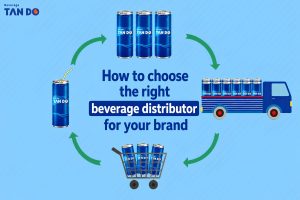
Delivery Distribution Strategy
Base your distribution method on the original business plan:
- Small Scale: You can organize your own product delivery to control the goods efficiently. (Be aware of costs for materials, vehicle maintenance, staff, and insurance.)
- Expansive Scale: Cooperate with distributors in each specific region.
Choosing a partner or self-distribution depends entirely on the size and scope of your beverage business.


Choosing a partner or self-distribution depends on the size of your business.
Conclusion
This comprehensive guide has provided specific and detailed information on how to start a beverage business of your own and essential tips to help your brand operate efficiently. Hopefully, you can grasp the critical points related to the steps needed to enter the beverage industry.
If you still have doubts about the beverage product development process for your new business, consider referring to the services at Tan Do Beverage.
At Tan Do, we provide ODM (Beverage Original Design Manufacturing) and OEM (Original Equipment Manufacturer). Depending on customers’ needs, we can fully design and build products or create new drink formulas and specifications based on the idea brief or blueprint provided by customers.
Tan Do is a global beverage ODM/OEM manufacturer and supplier located in Vietnam. Since 1996, we have built trust and credibility, leveraging state-of-the-art technology to craft thousands of products that align with ISO, HACCP, HALAL, FDA, and many other international standards. Contact us today to turn your beverage idea into a shelf-ready product!
- How to start an energy drink
- How to start a health drink business
- How to start a bottled water company